Let's cut to the chase. Building strong bones and flexible joints isn't just about drinking milk. As a woman, your nutritional needs for skeletal health are complex and shift dramatically throughout life. From your 20s, where you're building peak bone mass, to your 50s and beyond, where hormonal changes can accelerate bone loss, what you put on your plate is your first line of defense. This guide isn't a list of generic advice. It's a tactical plan, built on science and years of working with clients, showing you exactly which foods fight osteoporosis, soothe joint inflammation, and keep you moving freely for decades.
What's Inside?
Why Women's Bones and Joints Need Special Attention
Menopause isn't the only factor, but it's a big one. The drop in estrogen directly signals your body to break down bone faster than it builds new bone. The National Institutes of Health notes that women can lose up to 20% of their bone density in the 5-7 years following menopause. But the groundwork is laid much earlier. If you don't reach a high peak bone mass by your late 20s, you start from a weaker position later. Joint health is intertwined. Cartilage, the cushion in your joints, needs specific nutrients to repair itself, and inflammation from a poor diet can wear it down faster, leading to pain and stiffness. Thinking about bone and joint food separately is a mistake. They work together.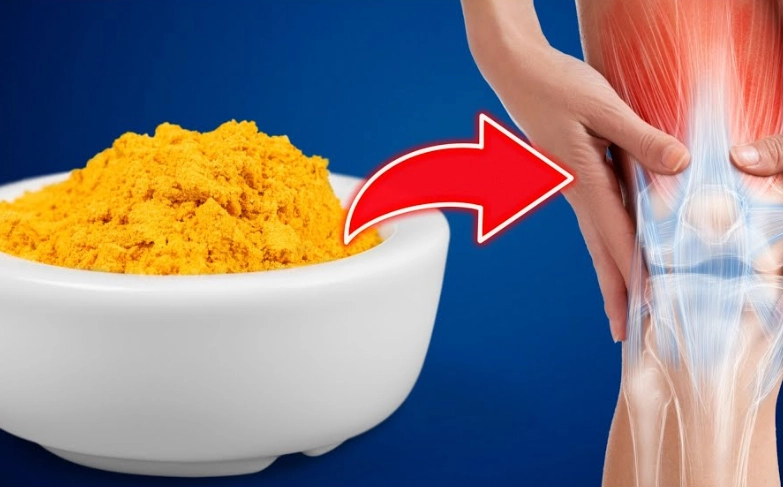
What Are the Key Nutrients for Women's Bone Health?
Everyone talks about calcium and vitamin D. They're crucial, but they're just the opening act. A symphony of nutrients works together. If you focus only on calcium, you're missing the conductors and supporting players that tell your body where to put that calcium and how to use it.
The Core Four You Can't Ignore
Calcium: The mineral that makes bones hard. Adult women need about 1,000 mg daily, jumping to 1,200 mg after 50. The trick isn't just hitting the number, it's absorption.
Vitamin D: Think of it as the key that unlocks the door for calcium to enter your bloodstream. Without enough D, you might be eating plenty of calcium but not absorbing it. The NIH recommends 600 IU for most adults, 800 IU over 70, but many experts argue for more, especially with limited sun exposure.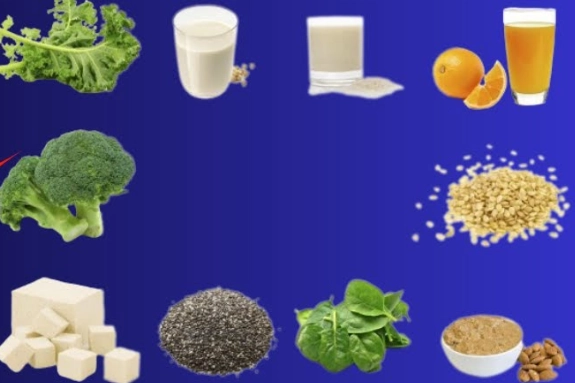
Vitamin K2: This is the traffic director. It activates proteins (osteocalcin) that shuttle calcium from your blood and deposit it directly into your bones and teeth, preventing it from settling in your arteries. It's a game-changer few discuss.
Magnesium: Over 50% of the body's magnesium is in our bones. It's essential for converting vitamin D into its active form and helps regulate calcium transport. A deficiency here undermines the entire system.
The Supporting Cast for Joints and Inflammation
Omega-3 Fatty Acids: These are potent anti-inflammatories. Chronic, low-grade inflammation is a silent killer for joint cartilage. Omega-3s from fish help calm this fire.
Collagen & Gelatin: These provide the amino acids (like glycine and proline) that are the literal building blocks of cartilage, tendons, and ligaments. Your body makes less as you age.
Antioxidants (Vitamin C, E, Selenium): They combat oxidative stress that damages both bone and joint tissues. Vitamin C is also critical for collagen formation.
The Top Foods for Strong Bones and Joints in Women
This isn't a random list. These foods deliver multiple key nutrients in one package, making your diet efficient and powerful.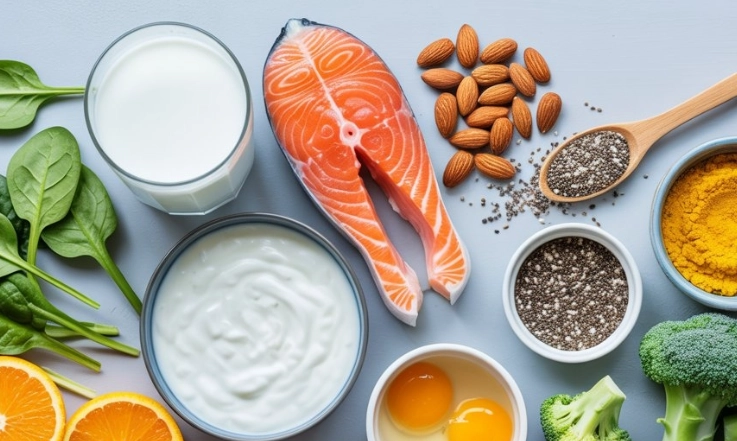
| Food | Primary Bone/Joint Benefits | Key Nutrients | Practical Serving Tip |
|---|---|---|---|
| Fatty Fish (Salmon, Sardines, Mackerel) | Superior source of Vitamin D & Omega-3s. Sardines with bones add a calcium punch. | Vit D, Omega-3s, Calcium (sardines), Protein | Aim for two 3-4oz servings per week. Try canned salmon in salads. |
| Leafy Greens (Kale, Collards, Bok Choy) | Calcium that's highly absorbable, plus magnesium and vitamin K1 (converts to K2). | Calcium, Magnesium, Vit K1, Antioxidants | Sauté with garlic for better mineral absorption than raw. |
| Full-Fat Plain Yogurt & Kefir | Probiotics may improve calcium absorption. Excellent calcium and protein source. | Calcium, Protein, Probiotics, Phosphorus | Choose plain to avoid sugar. Add berries and nuts. |
| Bone Broth | Provides collagen, gelatin, and minerals leached from bones and joints. | Collagen, Gelatin, Glycine, Proline, Minerals | Use as a soup base or sip a warm cup daily. |
| Nuts & Seeds (Almonds, Chia, Sesame) | Magnesium powerhouses. Almonds have calcium. Chia offers plant-based omega-3s. | Magnesium, Calcium (some), Healthy Fats, Protein | A small handful daily. Try tahini (sesame paste) in dressings. |
| Fermented Foods (Natto, Sauerkraut) | Natto is the richest food source of Vitamin K2 (MK-7 form). Supports gut health. | Vitamin K2 (MK-7), Probiotics | If natto's too strong, look for aged cheeses (Gouda, Brie) for K2 (MK-4). |
| Eggs (especially the yolk) | Contains vitamin D, K2 (MK-4 form), and high-quality protein for muscle support. | Vit D, Vit K2 (MK-4), Protein, Choline | Don't skip the yolk—that's where most nutrients live. |
| Prunes | Clinical studies, like those highlighted by the National Library of Medicine, show they can prevent bone loss in postmenopausal women. | Antioxidants, Vitamin K, Boron, Fiber | 5-6 prunes daily. Add to oatmeal or blend into a smoothie. |
How to Build a Bone-Healthy Plate: A Practical Guide
Let's move from theory to your next meal. Here’s a simple framework to ensure you're covering your bases daily.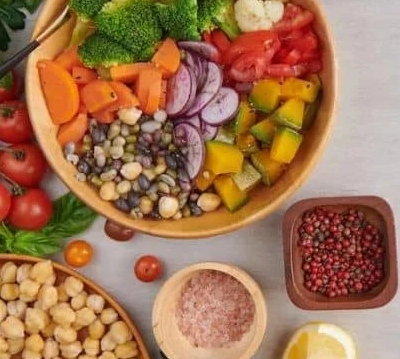
- At Every Meal: Include a high-quality protein source (fish, eggs, yogurt, legumes). Protein provides the structural matrix for bone and is vital for muscle, which supports joints.
- Fill Half Your Plate: With colorful vegetables and some fruit. Go for dark leafy greens several times a week.
- Don't Fear Healthy Fats: Add a thumb-sized portion of fat from olive oil, avocado, nuts, or seeds. Fat is needed to absorb the fat-soluble vitamins (D, K, E, A).
- Include a Fermented Element: Yogurt, kefir, sauerkraut, or kimchi. This supports gut health, which is linked to inflammation control and nutrient absorption.
A Sample Day on a Plate
Breakfast: 2-egg omelet with spinach and mushrooms, cooked in olive oil. Side of full-fat plain yogurt with a few prunes and a sprinkle of chia seeds.
Lunch: Large salad with mixed greens, canned salmon, avocado, cherry tomatoes, and a tahini-lemon dressing.
Dinner: Grass-fed beef or lentil stew with plenty of carrots, celery, and kale, made with a bone broth base. Serve with a side of steamed bok choy.
Snack: A handful of almonds and an orange (for vitamin C).
Common Mistakes Even Health-Conscious Women Make
I've seen these patterns repeatedly. Avoiding them can make a bigger difference than adding any superfood.
1. Overdoing the Spinach for Calcium: Spinach has calcium, but it's also high in oxalates, which bind to calcium and make most of it unavailable. Rely on kale, collards, or bok choy instead.
2. Ignoring Stomach Acid: As we age, stomach acid production can decline. You need adequate stomach acid to absorb minerals like calcium and magnesium. Eating in a relaxed state, chewing thoroughly, and occasionally using apple cider vinegar in dressing can help.
3. Extreme Low-Fat or Low-Protein Diets: Both fat and protein are essential for hormone production (including those that protect bone) and nutrient absorption. Skimping here is counterproductive.
4. Thinking Exercise is Enough: Weight-bearing exercise is non-negotiable for bone strength. But you can't out-exercise a poor diet. The food provides the raw materials; exercise provides the signal to use them.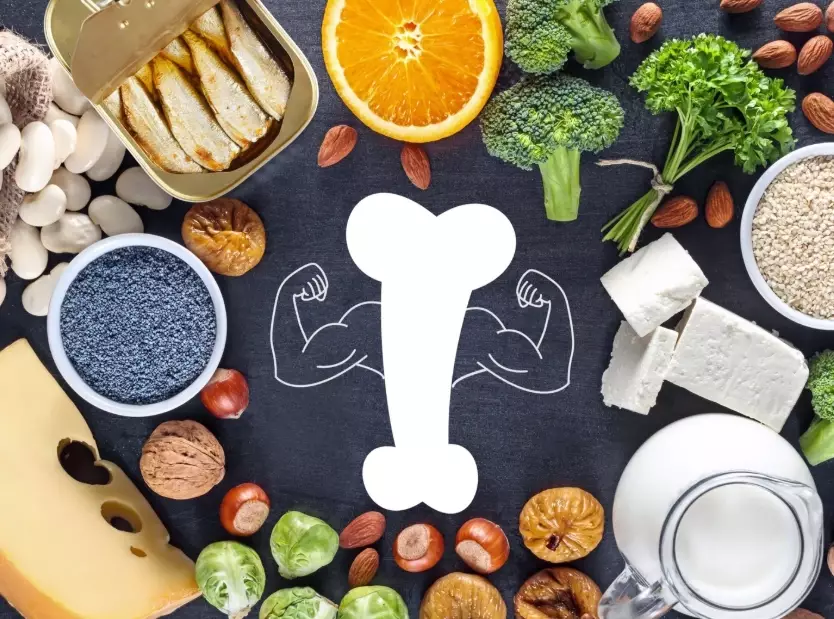
Your Bone Health Diet Questions Answered
The path to stronger bones and joints isn't found in a single miracle food or supplement. It's built daily through consistent, strategic choices on your plate. By focusing on the nutrient team—calcium with its essential partners D, K2, and magnesium, and pairing them with anti-inflammatory omega-3s and collagen-supporting foods—you give your body exactly what it needs to maintain its structural integrity. Start with one change: add a serving of leafy greens to your dinner, or swap your afternoon snack for yogurt and nuts. Your future self will thank you for every bite.

Leave a comment