Your Quick Guide to Younger-Looking Skin
Let's cut to the chase: aging skin doesn't have to mean surrendering to wrinkles and sagging. I've been a skincare consultant for over ten years, and the biggest lesson I've learned is that effective anti-aging isn't about buying the most expensive cream or booking laser appointments. It's about the small, consistent things you do at home every day. In this article, I'll share anti-aging tips you can start today—using items you probably already have. We'll cover everything from skincare routines to diet tweaks, and I'll throw in some hard truths most experts won't tell you.
Why Home Anti-Aging Beats Expensive Treatments
People often think anti-aging requires a dermatologist's office. But here's the reality: daily habits trump occasional treatments. Take sunscreen, for example. The American Academy of Dermatology says it's the single most important anti-aging product, and you can apply it yourself each morning. Consistency with a simple routine often yields better long-term results than sporadic professional care.
I worked with a client named Mark who spent $500 on a facial every month but skipped moisturizer. His skin was parched, making fine lines look deeper. Once he switched to a basic home regimen with a good moisturizer and sunscreen, his complexion improved in weeks. The cost? Maybe $50 a month. Home care gives you control and saves money—it's a no-brainer.
Another point: many clinical treatments, like chemical peels, actually rely on the same principles as home care (e.g., exfoliation), just at higher intensities. By building a solid foundation at home, you enhance any professional results and maintain them longer.
5 Must-Do Anti-Aging Steps for Your Daily Routine
Forget complicated ten-step routines. These five actions are non-negotiable if you want to age gracefully at home. I've seen them work for hundreds of clients, and they're backed by science.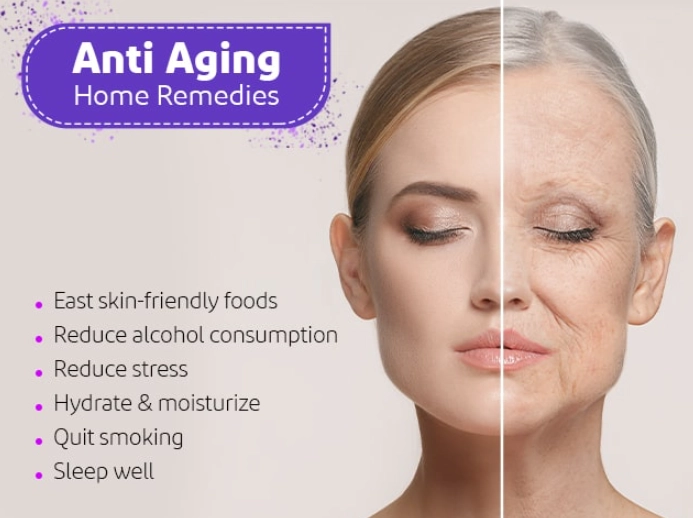
Sun Protection: Non-Negotiable Daily Armor
UV radiation causes up to 90% of visible skin aging, according to research from the National Institutes of Health. That includes wrinkles, spots, and loss of elasticity. Use a broad-spectrum SPF 30 or higher every morning, even if you're indoors—UVA rays penetrate windows. Reapply every two hours when outside. I prefer mineral sunscreens with zinc oxide; they're less irritating and provide immediate protection. A common mistake? Using too little. Aim for a quarter-sized amount for your face and neck.
Gentle Cleansing: Don't Strip Your Skin Barrier
Over-cleansing is a silent ager. Harsh soaps can damage your skin's natural barrier, leading to dryness, inflammation, and accelerated wrinkling. Opt for a pH-balanced, sulfate-free cleanser. Wash your face no more than twice a day—morning and night. At night, if you wear makeup or sunscreen, double cleanse: start with an oil-based cleanser to dissolve grime, then a water-based one to rinse clean. My go-to is a micellar water followed by a creamy cleanser; it's gentle yet effective.
Moisturize with Smart Ingredients
Hydrated skin looks plumper, minimizing lines. Look for moisturizers containing hyaluronic acid (holds up to 1000 times its weight in water), glycerin, or ceramides. For a boost, try a weekly DIY mask: mix honey (a natural humectant) with plain yogurt (lactic acid for gentle exfoliation). Leave it on for 15 minutes—it costs pennies and leaves skin glowing. I do this every Sunday while catching up on podcasts.
Incorporate Retinoids or Natural Alternatives
Retinoids, like retinol, are proven to boost collagen and reduce wrinkles. Start with a low concentration (0.25%) and apply it every other night to avoid irritation. If your skin is sensitive, bakuchiol is a plant-based alternative that works similarly without the redness. I've switched many clients to bakuchiol, and they still see smoother skin within months. Key tip: apply retinoids on dry skin, and always follow with moisturizer.
Sleep and Stress Management: The Underrated Heroes
Beauty sleep is real. During deep sleep, your skin repairs damage and produces collagen. Aim for 7-9 hours nightly. Stress increases cortisol, which breaks down collagen and leads to sagging. Find a simple stress-reliever: meditation, a 20-minute walk, or even deep breathing. I use a five-minute breathing exercise before bed, and it's made my skin look fresher. Also, sleep on your back to avoid sleep lines that can become permanent.
Expert Insight: Combine these steps into a morning and evening routine. Morning: cleanse, moisturize, sunscreen. Evening: cleanse, retinoid (or alternative), moisturize. Consistency is what separates success from frustration.
How Food and Water Turn Back the Clock
What you eat directly impacts your skin's aging process. A diet rich in antioxidants fights free radicals—unstable molecules that damage skin cells. Here's a breakdown of key anti-aging foods and how to use them.
| Food Category | Anti-Aging Nutrients | Practical Ways to Eat Them | My Personal Favorite |
|---|---|---|---|
| Colorful Fruits & Veggies | Vitamins C and E, Beta-Carotene | Add berries to breakfast, snack on carrots, or blend spinach into smoothies. Vitamin C boosts collagen; beta-carotene protects against sun damage. | Blueberry and spinach smoothie—I have it every morning. |
| Healthy Fats | Omega-3 Fatty Acids | Eat fatty fish like salmon twice a week, or sprinkle flaxseeds on yogurt. Omega-3s keep skin moisturized and reduce inflammation. | Salmon with avocado salad—easy dinner that tastes great. |
| Lean Proteins | Collagen Peptides, Amino Acids | Include chicken, eggs, or bone broth in meals. Collagen supplements (powder in coffee) can improve skin elasticity over time. | Bone broth soup—I make a big batch on weekends. |
| Nuts and Seeds | Zinc, Selenium, Vitamin E | Snack on almonds or walnuts, or add chia seeds to oatmeal. These nutrients repair skin and fight oxidative stress. | Handful of almonds—my go-to afternoon snack. |
Hydration is equally critical. Drink at least 8 glasses of water daily. Dehydrated skin looks dull and emphasizes wrinkles. Herbal teas like green tea count—they're packed with polyphenols that protect skin. I carry a reusable bottle and sip throughout the day; it's a simple habit with big rewards.
A client of mine, Lisa, struggled with dry skin despite using expensive creams. When she increased her water intake and added more omega-3s from fish, her skin transformed in a month. Sometimes, the solution is inside, not outside.
Mistakes Everyone Makes (And How to Fix Them)
In my experience, most anti-aging efforts fail due to avoidable errors. Here are three big ones I see all the time, plus how to correct them.
Mistake 1: Over-Exfoliating in the Name of Smooth Skin. Scrubbing too hard or using acids daily can thin your skin, making it more prone to aging. Limit exfoliation to 2-3 times a week. I recommend chemical exfoliants like glycolic or lactic acid over physical scrubs, which can cause micro-tears. Start with a low concentration (5-10%) and observe how your skin reacts. A client once used a scrub daily and ended up with redness and broken capillaries—it took months to heal.
Mistake 2: Neglecting Your Neck, Hands, and Chest. These areas show age fast but often get ignored. Extend your skincare routine downward: apply sunscreen, moisturizer, and retinoids to your neck, chest, and backs of hands. I tell clients to use leftover serum on their hands after applying to the face. It's free extra care that pays off.
Mistake 3: Jumping on Every Skincare Trend Without Testing. Not every viral ingredient suits everyone. For instance, vitamin C is fantastic for brightening, but it oxidizes quickly and can irritate sensitive skin. Store it in a cool, dark place, and always patch test new products on your jawline for a week. I've seen people break out from trendy oils like marula because it was too rich for their oily skin. Listen to your skin, not the hype.
The fix? Personalize your approach. Keep a simple journal: note what you use and how your skin feels. Adjust based on results, not recommendations from strangers online.
Answers to Your Top Anti-Aging Questions
 Are DIY face masks worth the effort, or should I stick to store-bought?
Wrapping up, anti-aging at home is about smart, consistent choices. You don't need a big budget or fancy gadgets—just a commitment to protect, hydrate, and nourish your skin daily. Start with the basics: sunscreen, gentle cleansing, and a good moisturizer. Add in diet tweaks and stress management, and you'll be on your way to younger-looking skin. Remember, aging is natural, but how you age is up to you. Take it one step at a time, and enjoy the process.





Leave a comment