Your doctor said your cholesterol numbers need to come down, and you want to avoid medication if you can. I get it. The question "what reduces cholesterol quickly naturally" isn't just about curiosity—it's about taking control of your health with urgency. The good news? You can see meaningful changes in as little as 4 to 6 weeks with a focused, no-nonsense approach. It's not about magic pills or extreme diets; it's about strategic shifts in what you eat, how you move, and how you live. Let's break down exactly how to do it, step by step, based on what the science—and my experience working with clients—actually shows works.
Your Quick Navigation Guide
The Fast-Track Core Strategy: Where to Focus First
Quick results come from attacking the right targets. For cholesterol, that means two primary goals: lowering LDL (the "bad" cholesterol) and raising HDL (the "good" cholesterol). Triglycerides matter too, but they often follow suit when you tackle these two. The fastest natural levers are diet and exercise, period. Sleep and stress management are crucial for sustainability, but for initial rapid impact, your plate and your activity level are king and queen.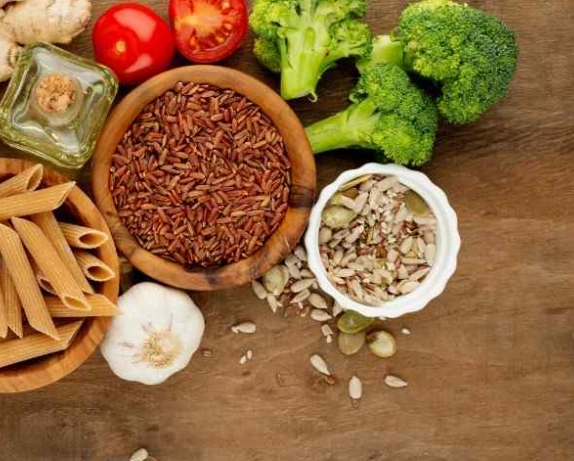
Think of it like this: dietary changes are your daily, consistent pressure on cholesterol levels. Exercise is the powerful booster that enhances those effects and improves your overall metabolic engine. Most people make the mistake of picking just one. The real speed comes from combining them.
The Diet Overhaul: What to Eat and What to Ditch
This isn't about a "low-cholesterol diet." It's about a smart-fat, high-fiber diet. Dietary cholesterol from foods like eggs has a modest effect for most people. The real culprits are saturated and trans fats, and the heroes are fiber and unsaturated fats.
Priority #1: Ramp Up Soluble Fiber (Your LDL Broom)
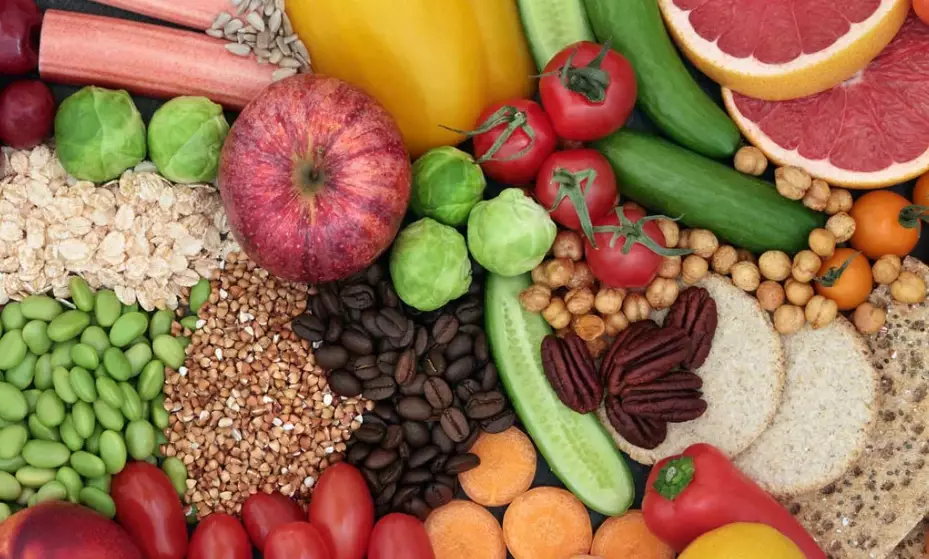
Soluble fiber acts like a sponge in your gut, binding to cholesterol particles and carrying them out of your body before they get absorbed. Aim for 10-25 grams per day. Here’s where to get it: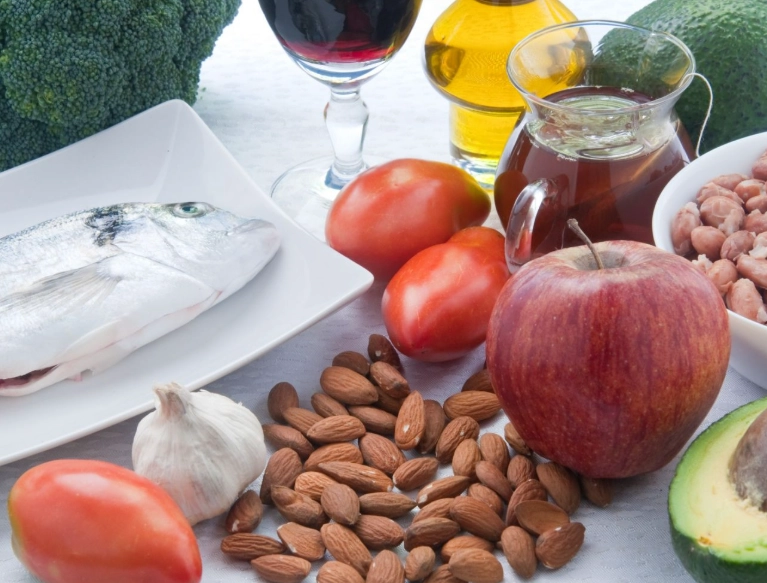
A common oversight? People eat the same fiber source every day (like just oatmeal). Mix it up. Different fibers and the compounds within them work in slightly different ways. Diversity is key for the best effect.
Priority #2: Swap Your Fats Intelligently
You don't need to fear fat. You need to choose the right ones. This single change can yield fast results.
| Fats to Minimize | Fats to Embrace | Why & How |
|---|---|---|
| Red meat (fatty cuts), butter, lard, full-fat dairy, processed baked goods, fried foods. | Avocados, olive oil, canola oil, nuts (almonds, walnuts), seeds (flax, chia), fatty fish (salmon, mackerel). | Saturated/trans fats tell your liver to make more LDL. Unsaturated fats do the opposite and can help raise HDL. Cook with olive oil, snack on a handful of nuts, have fish twice a week. |
A 3-Day Kickstart Meal Plan (Example)
To make this concrete, here’s what a few days of cholesterol-friendly eating can look like. Notice the pattern: fiber at every meal, good fats, and lean protein.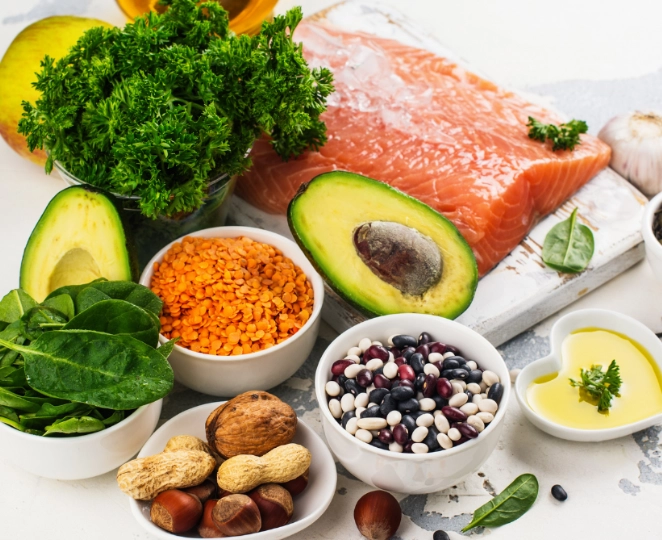
Day 1: Breakfast - Oatmeal with berries and a tablespoon of ground flaxseed. Lunch - Large salad with mixed greens, chickpeas, avocado, and olive oil vinaigrette. Dinner - Baked salmon with roasted Brussels sprouts and quinoa.
Day 2: Breakfast - Greek yogurt with sliced pear and walnuts. Lunch - Lentil soup and an apple. Dinner - Stir-fried tofu and broccoli with brown rice, using canola oil.
Day 3: Breakfast - Scrambled eggs (with one yolk, two whites) on whole-grain toast with sliced tomato. Lunch - Leftover lentil soup. Dinner - Chicken breast with a large side of steamed asparagus and a sweet potato.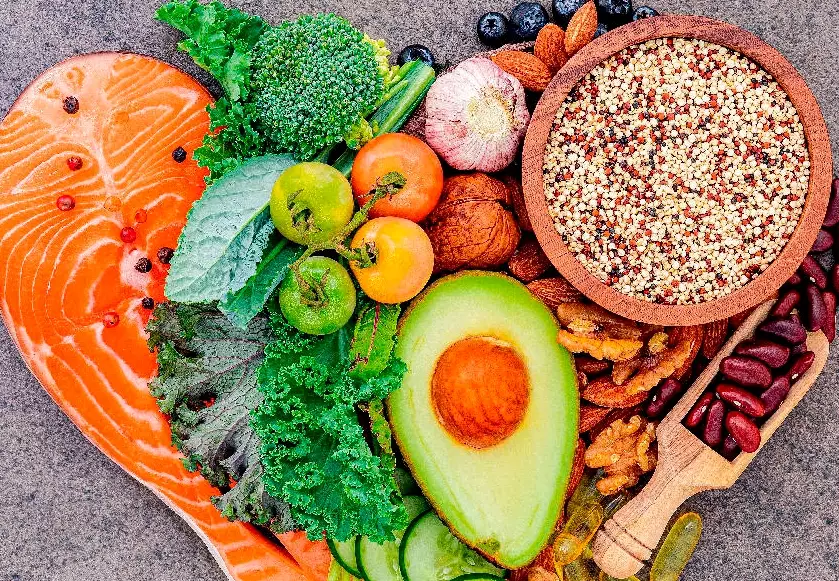
The Non-Negotiable Movement Plan
Exercise is the accelerator. It boosts HDL, helps lower triglycerides, and makes your body more efficient at processing fats. You don't need to train for a marathon.
The Most Effective Exercise Mix
Aerobic Exercise: This is your foundation. Brisk walking, cycling, swimming. Aim for 150 minutes of moderate-intensity per week (e.g., 30 mins, 5 days). To speed things up, push to 300 minutes. The "brisk" part is crucial—you should be able to talk, but not sing.
Strength Training: This is the secret weapon many skip. More muscle mass improves your long-term metabolic rate and insulin sensitivity, which helps manage cholesterol. Two sessions per week focusing on major muscle groups (squats, push-ups, rows) is enough to start.
I've seen clients focus only on cardio and hit a plateau. Adding two strength sessions was the switch that got their HDL moving up and their LDL ticking down further.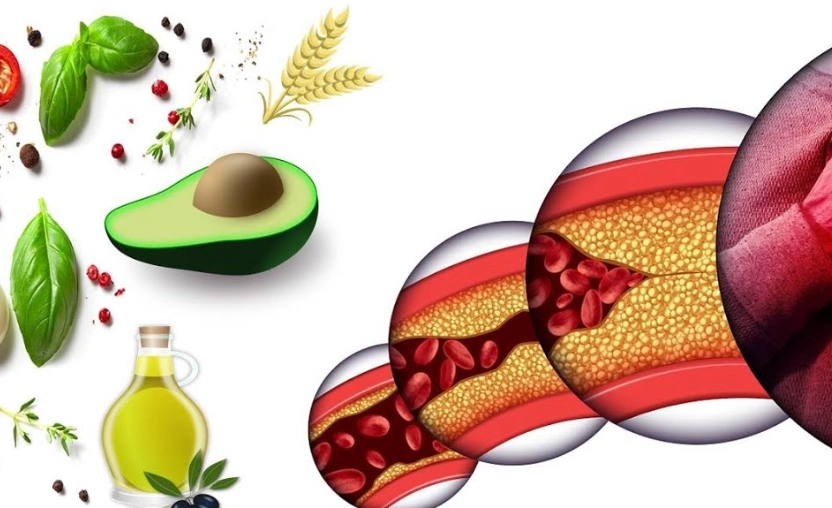
Other Lifestyle Levers to Pull
Diet and exercise are 80% of the battle. These factors handle the other 20% and prevent backsliding.
Weight Management: Losing even 5-10% of your body weight if you're overweight can dramatically improve cholesterol numbers. The diet and exercise plan above will naturally support this.
Smoking and Alcohol: Quitting smoking can raise your HDL by up to 10%. As for alcohol, the "red wine is good for cholesterol" idea is oversold. If you don't drink, don't start. If you do, limit it to one drink per day for women, two for men. More than that raises triglycerides and blood pressure.
Stress & Sleep: Chronic stress can raise LDL. Poor sleep (less than 6-7 hours) disrupts hormones that regulate appetite and fat metabolism. This isn't fluffy advice—it's physiological. A 20-minute daily walk does double duty as exercise and stress relief.
Common Mistakes That Slow Progress
Watching out for these can save you weeks of frustration.
- Ignoring Added Sugars: A high-sugar diet lowers HDL and raises triglycerides. Check labels for syrups and sugars, even in "healthy" foods like yogurt and granola.
- Being Sedentary Outside the Gym: An hour at the gym followed by 10 hours sitting blunts the benefits. Stand up and move for 5 minutes every hour.
- Giving Up Too Soon: Your body needs 4-6 weeks to show significant blood test changes. Stick with the plan consistently before reassessing.
- Overdoing "Healthy" Fats: Nuts and olive oil are great, but they're still calorie-dense. A serving of nuts is one small handful, not the whole bag.
Making It Stick: The Long-Term Game
The "quickly" part gets you results. The "naturally" part is about making those results last without feeling deprived. Don't think of this as a temporary fix. The goal is to adopt 80% of these habits permanently. Allow for flexibility—a social dinner out, a vacation—but return to the core principles. Your heart health is a marathon, not a sprint, but it's okay to start with a determined dash.


Leave a comment