Let's be honest. You've probably told yourself to "sit up straight" a hundred times. You feel that familiar ache between your shoulder blades after a long day, or catch a glimpse of your rounded shoulders in a window reflection. For women, posture isn't just about looking confident—it's intertwined with how we carry bags, wear shoes, work at desks, and even care for others. The standard advice often misses the mark. It's not about rigidly holding a military stance. Real posture correction is about understanding your body's unique imbalances and retraining it for effortless ease.
What's Inside This Guide
Why Posture Matters More for Women
It's not just aesthetics. Chronic poor posture shifts your skeleton, compresses organs, and overworks some muscles while letting others go lazy. The American Chiropractic Association notes that spinal misalignment can lead to headaches, fatigue, and even breathing issues. For women, specific factors pile on.
Think about carrying a heavy purse on one shoulder for years. Your body adapts by hiking one hip and rounding the opposite shoulder. High heels? They shorten your calf muscles and tilt your pelvis, straining your lower back. Then there's the "mom hunch"—leaning over a crib, car seat, or toddler creates a rounded upper back that becomes the new normal. Office work with monitors set too low forces your neck forward.
The goal isn't perfection. It's creating a body that moves efficiently, so you don't end the day in pain.
How to Assess Your Posture (The Simple Way)
You don't need a specialist for a basic check. Here's a 5-minute home assessment.
Step 1: The Wall Test. Stand with your back against a wall, heels about 2 inches away. Your buttocks and shoulder blades should touch the wall. Now, check the back of your head. Can it touch the wall without you craning your neck up? If not, that's a sign of forward head posture. Is there a huge gap between your lower back and the wall? That could indicate an exaggerated arch.
Step 2: The Photo Test. Have someone take side and back photos of you in fitted clothing, standing naturally. Don't pose. On the side view, draw an imaginary line from your ear lobe. It should fall through your shoulder, hip, knee, and ankle. If your ear is far in front of your shoulder, that's a problem. From the back, see if your shoulders are level or if one hip appears higher.
Step 3: The Movement Check. Do a shallow squat. Do your knees cave inward? That often links to weak glutes and affects pelvic and lower back posture.
This gives you a starting point. Most women I've worked with show a combination of issues, not just one.
What Are the Most Common Posture Mistakes Women Make?
After years of coaching, I see the same patterns repeat. The biggest mistake is trying to fix them all at once by pulling your shoulders back and holding your breath. That's exhausting. Instead, target the root cause.
- The Text Neck & Forward Head: This is epidemic. Your head weighs about 10-12 pounds. For every inch it drifts forward, the effective weight on your neck muscles doubles. The fix isn't just chin tucks; it's strengthening the deep neck flexors at the front of your neck, which are often neglected.
- The Rounded Shoulders (Upper Crossed Syndrome): Tight chest muscles (pecs) and weak upper back muscles (rhomboids, lower traps) pull your shoulders inward. Most "posture exercises" over-emphasize squeezing shoulder blades together, which can overwork the wrong muscles. The key is learning to depress and retract the shoulders correctly.
- The Anterior Pelvic Tilt (Swayback): This "duck butt" posture is often worsened by high heels and prolonged sitting. Tight hip flexors and lower back muscles team up with weak abdominals and glutes to tip the pelvis forward. It creates that lower back arch and can lead to pain. Stretching your hips is only half the battle; you must relearn how to engage your glutes.
- The One-Sided Lean: Carrying a child on one hip, a laptop bag on one shoulder, always crossing the same leg. Your body develops asymmetries. This requires unilateral (single-side) exercises to rebalance.
A 3-Phase Corrective Exercise Plan
This isn't a random list of exercises. It's a progressive plan. Spend 1-2 weeks on Phase 1 before adding Phase 2. Do this 4-5 times a week for 15 minutes.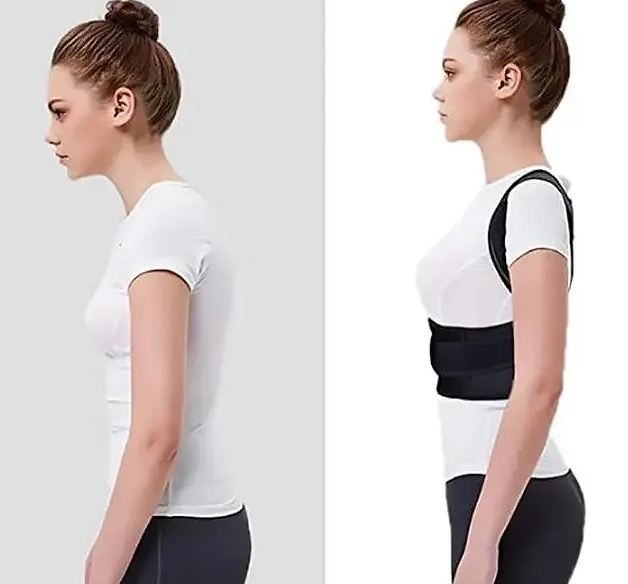
Phase 1: Awareness & Release (Weeks 1-2)
Chin Nods (Not Tucks): Lie on your back, knees bent. Gently nod your head as if saying "yes," keeping your head on the floor. Feel a stretch at the base of your skull. Hold for 3 seconds, release. Do 10 reps. This wakes up those deep neck flexors.
Doorway Chest Stretch: Place forearms on a doorframe, elbows at 90 degrees. Step forward until you feel a stretch across your chest. Hold for 30 seconds. Don't arch your back.
Figure-4 Hip Stretch: Sit in a chair, cross one ankle over the opposite knee. Gently lean forward until you feel a deep stretch in the hip/glute of the crossed leg. Hold 30 seconds per side.
Phase 2: Activation & Strength (Weeks 3-6)
Prone Y-T-Ws: Lie face down on a mat, forehead on a towel. For "Y," raise arms at a 45-degree angle, thumbs up, squeezing between shoulder blades. For "T," arms out to sides. For "W," bend elbows, pull them down towards hips. Do 8 reps of each. This teaches your upper back to work without your neck helping.
Glute Bridges with Band: Lie on your back, knees bent, place a resistance band just above your knees. Lift your hips, focusing on pushing your knees out against the band. Squeeze your glutes at the top. 15 reps. This combats anterior pelvic tilt.
Dead Bugs: Lie on back, arms extended to ceiling, knees bent at 90 degrees. Slowly lower right arm and left leg toward the floor, keeping your lower back pressed down. Return. Alternate. 10 per side. This trains core stability.
Phase 3: Integration & Habit (Ongoing)
Now, bring it into movement. Practice walking while consciously engaging your glutes with each step. Do wall angels for 60 seconds during work breaks. Set a "posture check" alarm every hour—when it beeps, perform one perfect chin nod and pull your shoulders down and back, not just back.
A client of mine, Sarah, a graphic designer, had terrible forward head and rounded shoulders. We started with just the chin nods and doorway stretches for two weeks. She felt a reduction in her tension headaches almost immediately. By week six, integrating the prone exercises, her husband asked if she'd gotten taller. She hadn't—she was just occupying her full height again.
How Can I Correct My Posture at Work?
Your desk setup is your posture's battleground. Here's a no-nonsense setup guide:
- Monitor Height: The top of your screen should be at or slightly below eye level. Use a stack of books or a stand. This is non-negotiable for preventing forward head.
- Chair Depth: Sit back so your back is supported. There should be a small gap (about 2-3 fingers) between the back of your knees and the seat.
- Keyboard & Mouse: Keep them close so your elbows stay near a 90-degree angle. Wrists should be straight.
But the real secret? It's not the chair. It's movement. The human body isn't designed to be static. Set a timer for 50 minutes. When it rings, get up for 10. Walk, stretch, do a wall angel. This is more effective than sitting perfectly still in a $1000 ergonomic chair for 4 hours straight.
Consider a sit-stand desk if possible, but remember—standing still is just another static posture. The magic is in the alternation.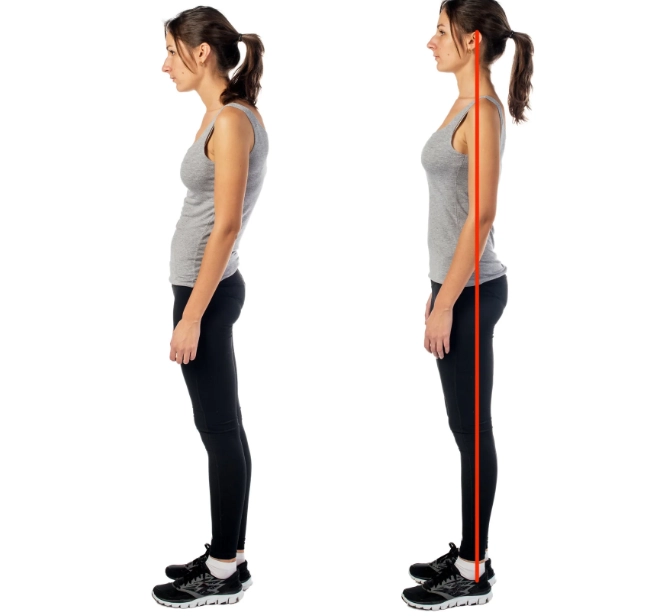
Your Posture Questions, Answered
The journey to better posture is a gradual rewiring. It's about small, consistent actions—the daily stretches, the conscious breaks, the mindful exercises—that compound over time. Don't aim for a statue's pose. Aim for a body that feels strong, supported, and free to move without whispering aches at the end of the day. Start with the wall test tonight. See what it tells you. Then pick one exercise from Phase 1 and do it tomorrow morning. That's how it begins.



Leave a comment