Essential Guide
- First Things First: What Are We Even Managing?
- The Foundation: How to Actually Monitor Your Blood Pressure at Home
- The Lifestyle Cornerstone: Changes That Actually Move the Needle
- When Lifestyle Needs a Partner: Understanding Blood Pressure Medication
- Your Blood Pressure Management Action Plan
- Common Questions I Get Asked (And Wondered Myself)
- Putting It All Together: The Long Game
Let's be honest, when the doctor says your numbers are up, it feels like a scolding. You get a pamphlet, maybe a prescription, and you're sent on your way with a vague instruction to "manage it." But what does that even mean day-to-day? Is it just about remembering your meds? I used to think so. I watched my dad navigate high blood pressure for years, and his approach was, frankly, haphazard. Some days he'd skip his walk, other days he'd go heavy on the soy sauce. His blood pressure management was a rollercoaster, and his health reflected that.
It doesn't have to be that way. Good management is a blend of knowledge, consistent action, and understanding your own body. It's not a punishment; it's the ultimate act of self-care for your heart, brain, and kidneys. This guide is the conversation I wish my dad had had. We're going to move past the scary terms and into practical, doable steps.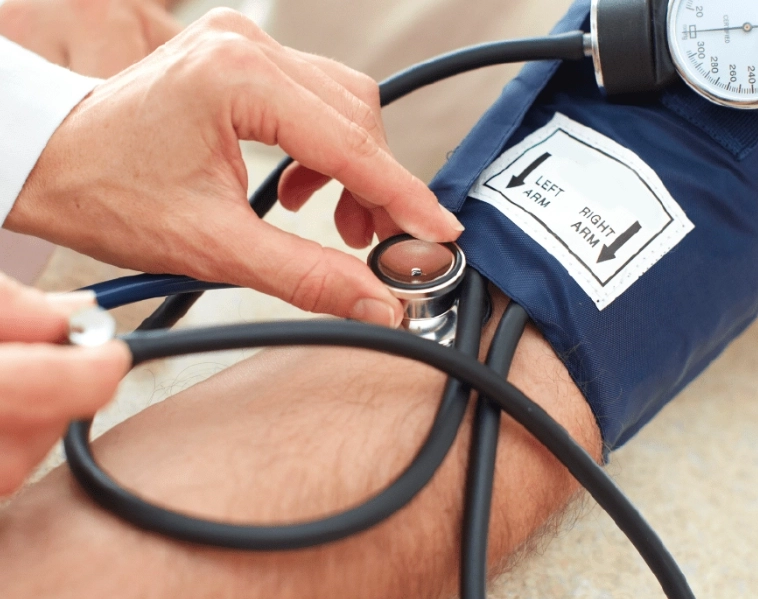
First Things First: What Are We Even Managing?
You hear "120 over 80" all the time, but it sounds like a sports score. The top number (systolic) is the pressure when your heart beats. The bottom number (diastolic) is the pressure between beats. Think of it like a garden hose. The systolic is the pressure when you first turn the faucet on full blast. The diastolic is the steady pressure that keeps the water flowing.
When that pressure is consistently too high, it's like leaving the hose on full pressure all the time. It strains the hose (your arteries), weakens the connections (your organs), and can eventually cause a leak (a stroke) or a burst (a heart attack). That's why managing blood pressure is a long-term project, not a quick fix.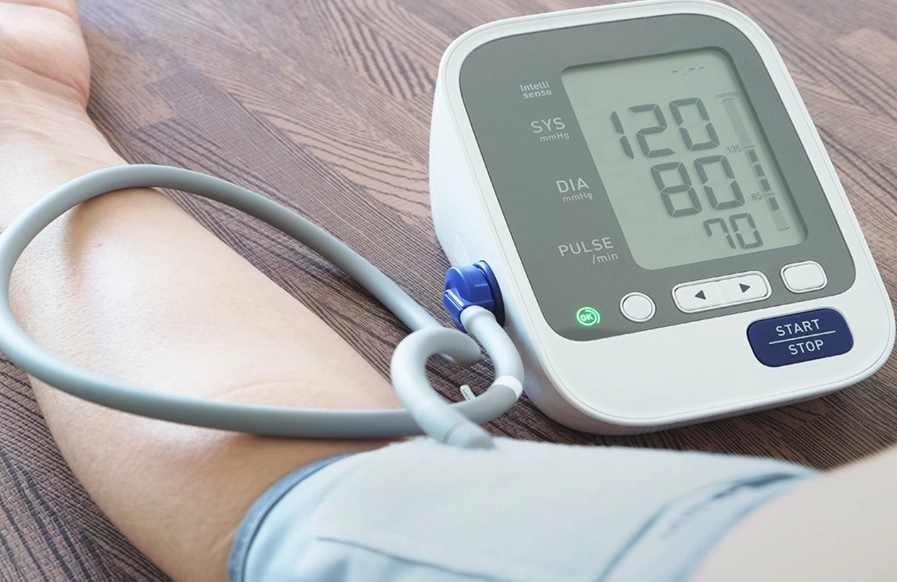
The Foundation: How to Actually Monitor Your Blood Pressure at Home
Relying on the occasional clinic reading is like judging the weather by looking out the window once a week. It's unreliable. Home monitoring gives you the real story. But you have to do it right, or the data is useless.
Choosing and Using a Home Monitor
Go for an automatic, upper-arm cuff monitor. Wrist monitors can be tricky. Look for one that's validated – the American Heart Association has a list of validated devices which is a great resource. Once you have it:
- Sit quietly for 5 minutes first. No coffee, no talking, just breathe.
- Back supported, feet flat, arm resting at heart level. Slouching on the couch with your arm dangling? That'll mess up the reading.
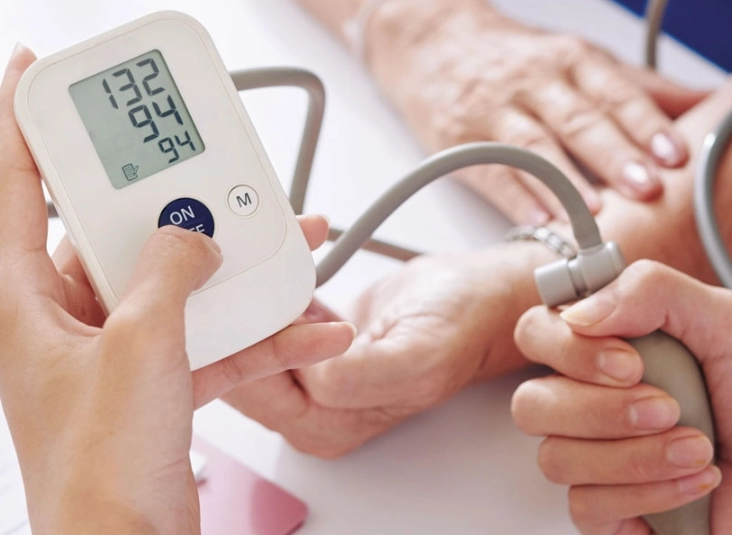
- Take two readings, one minute apart, in the morning before meds and in the evening. Log them. An app or a simple notebook works.
This log is your most powerful tool. It shows your doctor trends, reveals if your meds are working throughout the day, and shows you the direct impact of that salty lunch or good night's sleep.
The Lifestyle Cornerstone: Changes That Actually Move the Needle
This is where real, sustainable blood pressure management happens. Medication is a crucial partner, but lifestyle is the foundation. Let's break down the big ones.
Revamping Your Diet (Beyond Just "Less Salt")
Yes, sodium is public enemy number one for many. Cutting processed foods, canned soups, and deli meats can work wonders. But it's not the whole story.
The DASH diet (Dietary Approaches to Stop Hypertension) is the gold standard for a reason. It's not a fad; it's an eating pattern proven by the National Institutes of Health. The core idea is simple: load up on potassium, calcium, and magnesium to help your body balance sodium. Think fruits, vegetables, whole grains, lean protein, and low-fat dairy. I tried eating more bananas and spinach, and honestly, the difference in how I felt was noticeable even before I checked my numbers.
The Non-Negotiable: Getting Moving
You don't need to train for a marathon. Consistency beats intensity every time. Aim for 150 minutes of moderate activity per week. That's 30 minutes, five days a week. Brisk walking, cycling, swimming – whatever you'll actually do.
Here's the cool part: exercise is a direct line to better blood pressure control. It makes your heart stronger so it doesn't have to work as hard, and it helps your blood vessels relax. Strength training matters too – twice a week. More muscle helps your metabolism and overall vascular health.
The Hidden Factor: Stress and Sleep
This is the one everyone overlooks. Chronic stress keeps your body in "fight or flight" mode, pumping out hormones that constrict blood vessels and raise your heart rate. And bad sleep? It messes with the hormones that regulate stress and fluid balance.
What works? It's personal. For some, it's 10 minutes of deep breathing. For others, it's a hard cutoff from work emails at 7 PM. For me, it was finally addressing my terrible sleep hygiene. A dark, cool room and a consistent bedtime did more for my morning readings than I expected.
When Lifestyle Needs a Partner: Understanding Blood Pressure Medication
Sometimes, lifestyle changes aren't enough on their own. Genetics, age, and other health conditions play a role. Medication is a tool, not a failure. But the world of BP meds is confusing. Let's demystify the main classes.
Doctors choose based on your specific situation – age, race, other conditions like diabetes or kidney disease. It's not one-size-fits-all. You might start with one and need to add another. That's normal. The goal is control with the fewest side effects.
| Medication Class (Common Names) | How It Works | Common Side Effects to Watch For | Good For People With... |
|---|---|---|---|
| ACE Inhibitors (Lisinopril, Enalapril) | Relaxes blood vessels by blocking a hormone that tightens them. | Dry cough, elevated potassium, dizziness. | Diabetes, heart failure, chronic kidney disease. |
| ARBs (Losartan, Valsartan) | Similar to ACEis but works on a different part of the pathway. Often used if the ACEi cough appears. | Dizziness, muscle cramps. (Less likely to cause cough). | Same as ACEis, good alternative if cough develops. |
| Calcium Channel Blockers (Amlodipine, Diltiazem) | Relaxes the muscle in blood vessel walls. | Swelling in ankles/feet, constipation, headache, dizziness. | Older adults, African Americans, angina. |
| Diuretics ("Water Pills") (Hydrochlorothiazide, Chlorthalidone) | Helps kidneys remove sodium and water, reducing blood volume. | More frequent urination, low potassium, muscle cramps. | Often a first-line treatment, fluid retention. |
| Beta-Blockers (Metoprolol, Atenolol) | Slows heart rate and reduces the force of contraction. | Fatigue, cold hands/feet, sleep disturbances, can mask low blood sugar. | History of heart attack, heart failure, certain arrhythmias. |
The key with medication is partnership. Tell your doctor about all side effects. A persistent dry cough on an ACE inhibitor is miserable and there are alternatives. Swollen ankles on a calcium channel blocker might be manageable or might require a switch. Don't just suffer in silence or, worse, stop taking them without talking to your doctor. That can lead to dangerous rebounds.
Your Blood Pressure Management Action Plan
Okay, so we've talked about the pieces. How do they fit into a normal week? Here's a sample blueprint. Adapt it, don't adopt it rigidly.
- Morning: Take medication as prescribed (if applicable). Check BP. Have a breakfast of oatmeal with berries and a sprinkle of nuts.
- Midday: Go for a 15-minute walk after lunch. Pack a lunch with lean protein and veggies to avoid the sodium bomb of takeout.
- Evening: Check BP again. Cook a DASH-inspired dinner – think grilled salmon, quinoa, and roasted broccoli. Spend 20 minutes unwinding without screens. Get to bed at a consistent time.
- Weekly: Two sessions of strength training (bodyweight exercises count!). Review your BP log. Grocery shop with a list to avoid processed food aisles.
Common Questions I Get Asked (And Wondered Myself)
This is the dream, right? Sometimes, under very close medical supervision, yes. If your numbers have been perfectly controlled for a long time through major lifestyle overhaul, your doctor might cautiously try lowering your dose. But for many people, especially with long-standing or severe hypertension, medication is a lifelong partner. The goal shifts from "getting off meds" to "optimal control with the right meds."
Beets and beet juice get a lot of hype for their nitrate content, which can help widen blood vessels. The evidence is promising but not magic. Hibiscus tea, dark chocolate (85% cacao, in moderation), and garlic have some studies behind them. But don't get lost in superfood hunting. No single food beats the consistent power of the whole DASH diet pattern. A beet salad is great; thinking beets will cancel out daily fast food is not.
This is incredibly common and even has a name: "white coat hypertension." The stress of the clinic raises your BP. Your home readings, taken correctly in a relaxed state, are often more representative of your true baseline. That's why showing your home log to your doctor is so valuable. The opposite, "masked hypertension" (normal at clinic, high at home), is also dangerous, which again underscores why home monitoring is non-negotiable for good blood pressure management.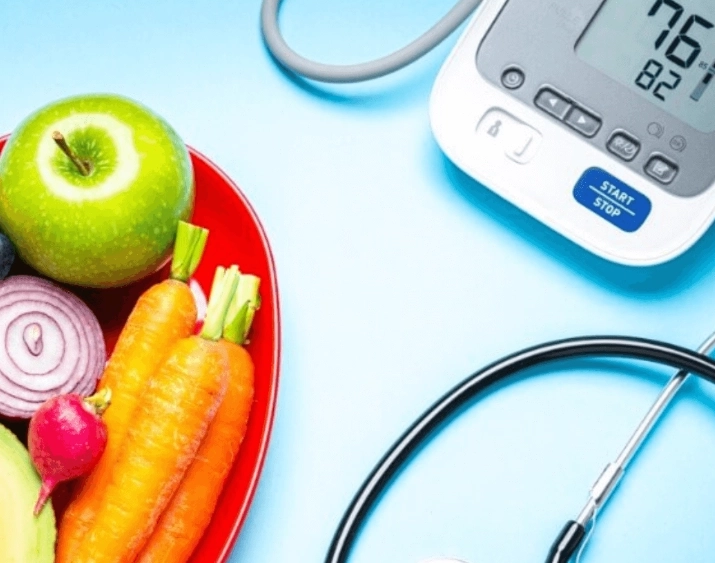
The research is mixed. Some people with a deficiency might benefit from magnesium. CoQ10 has shown some effect in studies, but it's not a first-line recommendation from major guidelines. The big problem? Supplements are poorly regulated. You can't be sure of the dose or purity. It's far safer and more effective to get these nutrients from food (leafy greens, nuts, seeds for magnesium; fatty fish for CoQ10). Always, always discuss any supplement with your doctor, as they can interact with medications.
Putting It All Together: The Long Game
Managing your blood pressure isn't a sprint. It's a marathon with no finish line. Some weeks you'll nail it. Other weeks, life will happen – a stressful project, a vacation, a cold that derails your routine. That's okay. The goal isn't perfection; it's trending in the right direction over months and years.
Your most powerful assets are knowledge and a bit of self-compassion. Use the tools: a reliable home monitor, a simple log, the framework of the DASH diet, consistent movement, and open communication with your doctor. See medication not as a sign of weakness, but as a precision tool in your kit.
Start with one thing. Just one. Maybe it's buying that monitor. Or adding one extra vegetable to dinner tonight. Small, consistent actions build the foundation of lasting blood pressure management and protect the only heart you've got.





Leave a comment