You know the feeling. The scale won't budge despite eating clean. Your sleep is fragmented, leaving you drained by 3 PM. Your moods swing like a pendulum, and your skin suddenly acts like a teenager's again. You might be told it's "just stress" or "part of getting older." But often, the real culprit is a hormonal imbalance. It's not always a dramatic medical diagnosis; sometimes it's a subtle, frustrating symphony of your body's chemical messengers being out of tune. Let's cut through the noise and look at the real signs.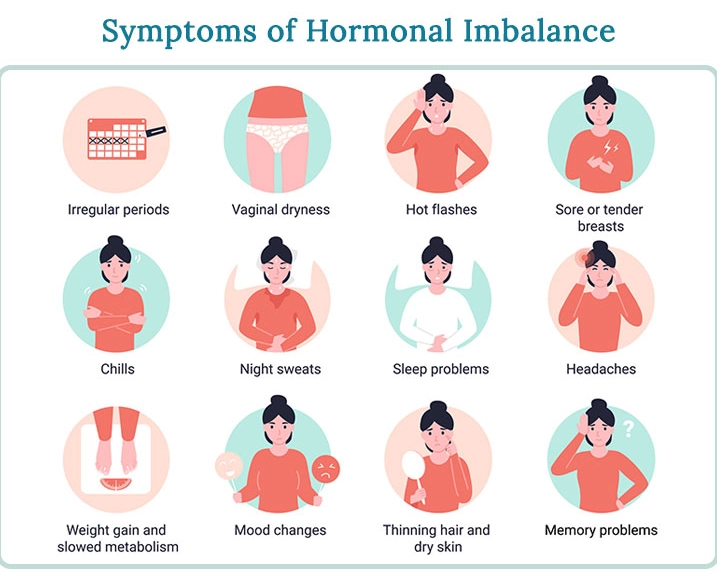
In This Article: Your Quick Navigation
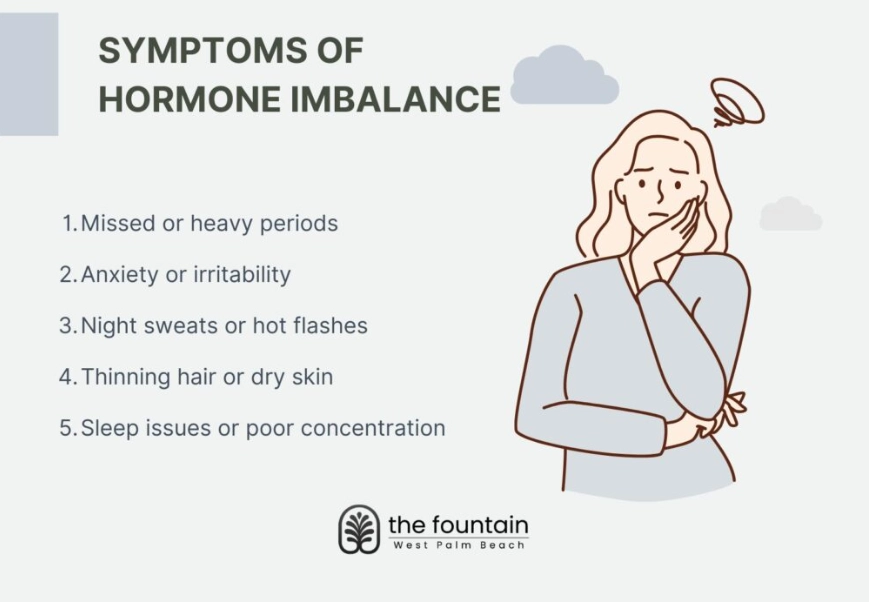
Symptoms of Hormonal Imbalance in Females: The Full Picture
Hormones like estrogen, progesterone, testosterone, thyroid hormones, insulin, and cortisol are your body's internal communication system. When one is off, it sends ripples through your entire physiology. Here’s a breakdown of the most telling signs, moving beyond the obvious.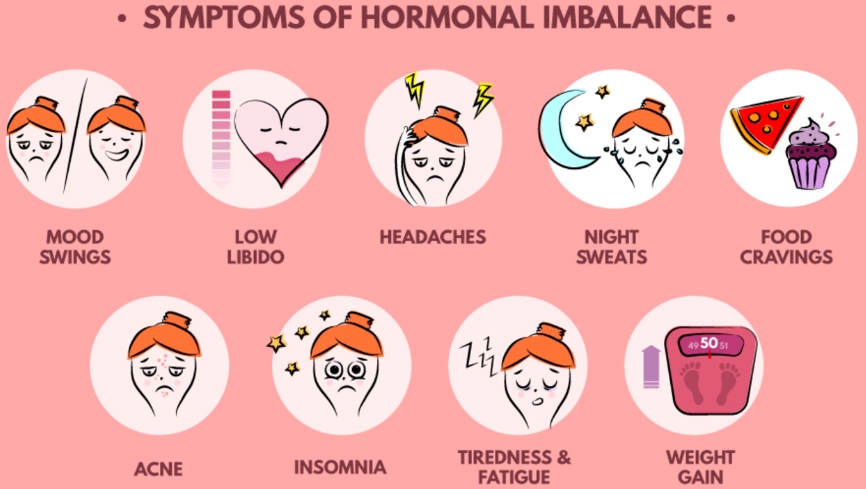
| Symptom Category | Specific Signs & What It Feels Like | Key Hormones Often Involved |
|---|---|---|
| Metabolic & Weight | Unexplained weight gain, especially around the abdomen ("menopausal belly" or PCOS belly). Stubborn fat that won't shift with diet/exercise. Intense sugar or carb cravings. | Insulin, Cortisol, Thyroid (T3, T4), Estrogen |
| Energy & Sleep | Persistent fatigue, even after 8+ hours of sleep. Waking up at 3 AM with a racing mind. Relying on caffeine to function. That "wired but tired" feeling. | Cortisol, Progesterone, Thyroid |
| Mood & Mental | Anxiety, irritability, or panic attacks for "no reason." Feeling overwhelmed easily. Brain fog, memory lapses, difficulty concentrating. Low libido. | Estrogen, Progesterone, Cortisol, Thyroid |
| Reproductive & Cycle | Heavy, painful, or irregular periods. Severe PMS (mood swings, bloating, breast tenderness). Short cycles (under 25 days) or long cycles (over 35 days). Infertility. | Estrogen, Progesterone, Testosterone (in PCOS) |
| Physical Changes | Adult acne, especially along jawline/chin. Thinning hair or hair loss on the scalp. Unwanted facial/body hair (hirsutism). Dry skin, brittle nails. Hot flashes & night sweats. | Androgens (Testosterone, DHEA), Thyroid, Estrogen |
One mistake I see constantly? Women focus solely on estrogen and progesterone, forgetting that cortisol and insulin are massive players. That afternoon crash and muffin-top weight gain are classic insulin/cortisol tags, not just sex hormones. You have to look at the whole picture.
Quick Self-Check: Do you have 3 or more symptoms from different categories above, and have they persisted for several months? That's your cue to look deeper, not just blame a busy life.
What Are the Most Common Causes of Hormonal Imbalance in Women?
It's rarely one thing. Think of it as a bucket overflowing. A few drops (causes) might be fine, but together, they spill over into symptoms.
The Lifestyle Bucket (Where You Have Most Control)
Chronic Stress: This is the big one. Constant stress keeps cortisol high, which can steal progesterone to make more cortisol (the "pregnenolone steal"), leading to estrogen dominance. It also disrupts blood sugar, messing with insulin.
Sleep Deprivation: Less than 7 hours of quality sleep raises cortisol and ghrelin (the hunger hormone) while lowering leptin (the satiety hormone). A perfect storm for imbalance.
Dietary Triggers: A diet high in processed carbs, sugar, and inflammatory oils (soybean, canola) spikes insulin and promotes inflammation. Not enough protein, healthy fats, or fiber to support hormone production and detoxification.
The Health & Life Stage Bucket
Perimenopause & Menopause: The natural, often turbulent, decline of estrogen and progesterone. Symptoms can start a decade before periods stop.
Polycystic Ovary Syndrome (PCOS): A root cause is insulin resistance, driving up androgens (testosterone) and disrupting ovulation.
Thyroid Disorders: Hypothyroidism (underactive) slows everything down, causing fatigue, weight gain, and depression. It's frequently missed.
Birth Control & Medications: The Pill suppresses your natural hormone production. Coming off it can reveal an underlying imbalance that was masked.
Environmental Toxins: Xenoestrogens in plastics, pesticides, and personal care products can mimic estrogen in the body, contributing to estrogen dominance. The research from the National Institute of Environmental Health Sciences is compelling on this front.
How Can You Test for Hormonal Imbalance?
Don't guess. Test. But the how and when matter immensely.
Going to a doctor and only getting a standard blood test on a random day of your cycle is like taking a single, blurry snapshot of a moving target. It often misses the dynamic shifts. For sex hormones, saliva or dried urine tests (like the DUTCH test) taken at multiple points in your cycle can show the rhythm and metabolites, not just the total amount. They're more revealing for issues like estrogen dominance.
For thyroid, insist on a full panel: TSH, Free T4, Free T3, and Reverse T3. Many doctors only check TSH, missing cases of "normal TSH" but low Free T3 (the active hormone).
For insulin resistance, ask for a fasting insulin test alongside fasting glucose. HOMA-IR is a calculated score from these two numbers that's very telling. A standard glucose test often comes back normal until the problem is advanced.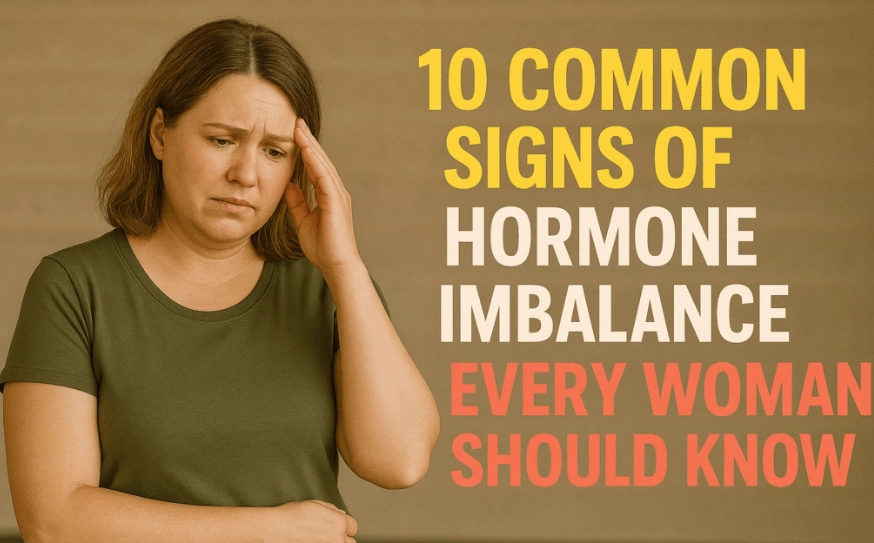
My Testing Tip: If you're still cycling, schedule sex hormone testing for day 19-22 of your cycle (where day 1 is the first day of your period). This targets the luteal phase, where progesterone should be high. A low reading here is a major clue.
A Step-by-Step Guide to Balancing Your Hormones Naturally
You don't always need medication. Often, you need a systematic reset. Think of this as a hierarchy. Start at the base.
Level 1: Foundational Lifestyle Shifts (Non-Negotiable)
Master Your Blood Sugar: Eat protein, healthy fat, and fiber at every meal. Ditch sugary drinks and snacks. This single change lowers insulin, which calms down androgens and cortisol. Try eating within an hour of waking.
Stress Management That's Actually Doable: Not just yoga if you hate it. It could be 5 minutes of box breathing, a 10-minute walk without your phone, or listening to an audiobook. The goal is to signal safety to your nervous system daily.
Sleep Hygiene: Pitch-black room, cool temperature, no screens 90 minutes before bed. Consistency is key—even on weekends.
Level 2: Targeted Nutrition & Supplement Support
Key Foods: Cruciferous veggies (broccoli, kale) for liver detox of excess estrogen. Omega-3s (fatty fish, flax) to reduce inflammation. Magnesium-rich foods (pumpkin seeds, spinach) for anxiety and sleep. I've seen clients' PMS improve dramatically just by adding a daily handful of pumpkin seeds.
Supplements (Consult a pro first):
- Magnesium Glycinate: 300-400mg before bed for sleep and anxiety.
- Adaptogens: Ashwagandha for cortisol, Rhodiola for fatigue. They're not quick fixes but help the body adapt.
- Vitamin D: Most are deficient. Crucial for thyroid function and mood. Get levels checked.
- Vitex (Chasteberry): Can help regulate the menstrual cycle by supporting progesterone, but it doesn't work for everyone—especially if the issue is high estrogen.
Level 3: Smart Movement & Toxin Reduction
Exercise Wisely: If you're high-cortisol and fatigued, swap intense HIIT for walking, yoga, or strength training. Overtraining is a major hormone disruptor.
Reduce Toxin Load: Switch to glass or stainless steel water bottles. Use a water filter. Choose natural cleaning and personal care products when possible. Start with one swap a month.
Your Burning Questions on Hormonal Imbalance
 How long does it take to see improvements after starting lifestyle changes?




Leave a comment