Let's cut to the chase. If you're searching "what age do you get hypothyroidism," you probably want a neat number. You won't get one. The truth is messier and more interesting. Hypothyroidism, an underactive thyroid, doesn't have a single "start age." It's not like a birthday party everyone gets invited to at 60. Instead, your risk climbs steadily with age, with a sharp incline for women during major hormonal shifts. The most common age for diagnosis is between 30 and 60 years old. But here's the kicker: it can, and does, happen at any stage—from infancy to the elderly. The real question isn't about a specific birthday; it's about understanding your personal risk profile and recognizing the often-missed signs.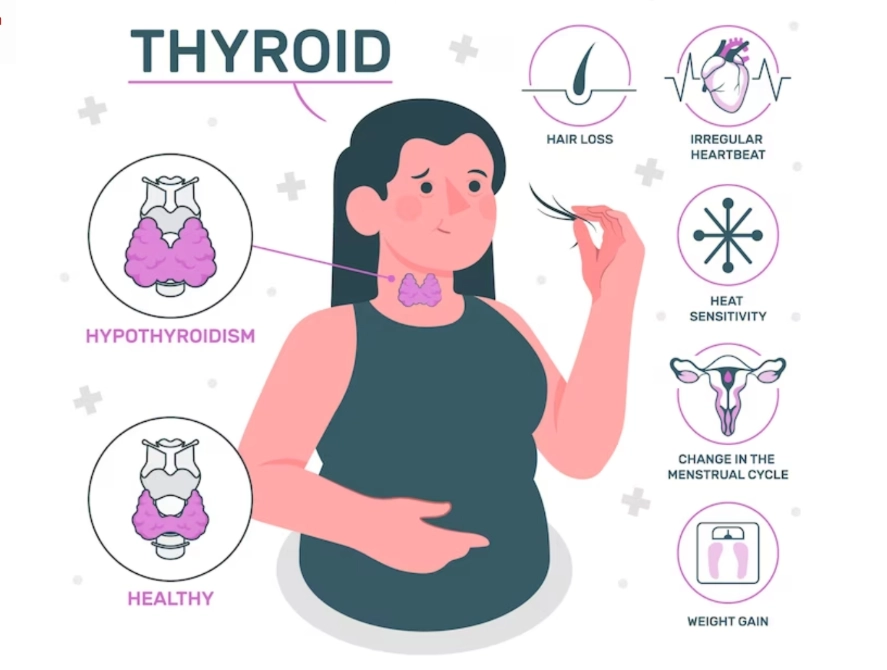
What's Inside This Guide
What is the Most Common Age for a Hypothyroidism Diagnosis?
Think of your thyroid risk like a graph line that trends upward over time. Data from sources like the American Thyroid Association and the National Institute of Diabetes and Digestive and Kidney Diseases (NIDDK) paints a clear picture: prevalence increases with age. It's relatively uncommon in children and young adults, but things start to change.
The first major risk window for women opens up in their 20s and 30s, often tied to pregnancy and postpartum changes. Autoimmune thyroiditis (like Hashimoto's disease) can be triggered during this period. I've seen many new mothers struggle with crushing fatigue and weight gain, blaming it solely on motherhood, only to find out their thyroid had quietly stopped keeping up.
The next, and largest, wave of diagnoses hits from middle age onward, particularly between 40 and 60. This is when the cumulative effect of autoimmune activity, along with other age-related health changes, pushes the thyroid over the edge. By age 60, studies suggest up to 10% or more of women may have some degree of underactive thyroid function. For men, the risk also increases with age, though it generally starts later and rises more slowly.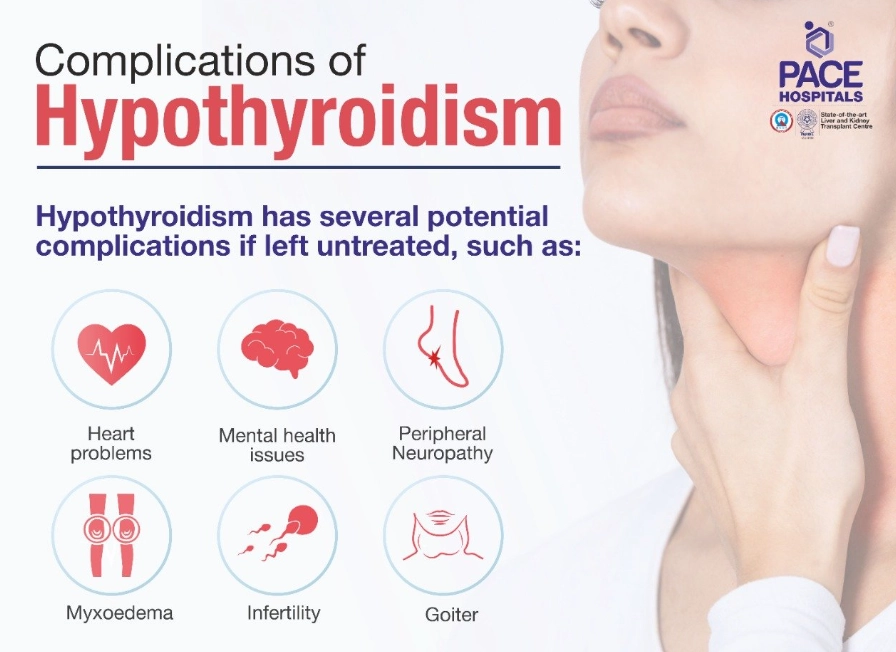
A crucial point most articles miss: While the diagnosis often comes in middle age, the underlying autoimmune attack (in the case of Hashimoto's, which causes most hypothyroidism) likely started years, even decades, earlier. You're not getting it *at* 50; your body has been slowly heading there since maybe your 30s. The symptoms just finally became undeniable.
What Really Drives Your Risk of Hypothyroidism?
Age is just the backdrop. The actors on this stage are your genetics, gender, and health history. Knowing these is far more useful than knowing an average age.
1. Your Gender is a Huge Factor
Women are 5 to 8 times more likely to develop hypothyroidism than men. Hormonal rollercoasters—puberty, menstruation, pregnancy, postpartum, perimenopause—all interact with the immune system and can unmask a thyroid problem. If you're a woman, your risk timeline is intrinsically linked to your reproductive life stages.
2. The Autoimmune Link (Hashimoto's Disease)
Over 90% of hypothyroidism cases in iodine-sufficient areas like the US are caused by Hashimoto's thyroiditis. Your body's immune system mistakenly attacks your thyroid gland. If you have a family history of any autoimmune disease (Hashimoto's, Graves', rheumatoid arthritis, type 1 diabetes, vitiligo, celiac), your personal risk clock ticks faster.
3. Other Medical Conditions and Treatments
Your risk isn't operating in a vacuum. A history of neck radiation (even for acne decades ago), thyroid surgery, or certain medications (like lithium or some cancer drugs) can directly impact thyroid function. Having other conditions like Turner syndrome or Down syndrome also increases risk.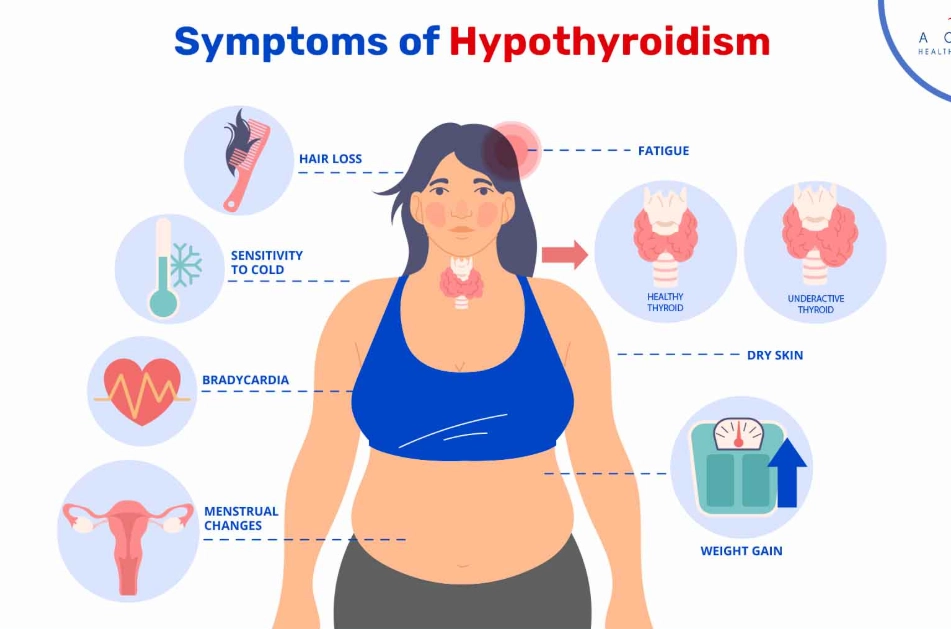
- Family History: A parent or sibling with thyroid disease? Your risk is significantly higher.
- Previous Thyroid Issue: Even a past bout of thyroiditis puts you in a higher-risk category.
- Iodine Intake: Both too much and too little can be problematic, though deficiency is rare in countries with iodized salt.
How to Spot Hypothyroidism Symptoms (They're Not Just Tiredness)
This is where people get lost. The symptoms are notoriously vague and creep in slowly. You might blame them on aging, stress, or a busy life. Here’s a more human breakdown of what to look for, beyond the textbook list.
The Energy and Mood Saboteur: It's not ordinary tiredness. It's a deep, bone-weary fatigue that isn't relieved by sleep. You might feel like you're moving through mud. Coupled with this is a low-grade, persistent depression or a lack of interest in things you used to enjoy—what some describe as a "flat" feeling.
The Metabolism Muddle: Weight gain happens, but it's often modest and stubborn, despite no change in diet. The bigger clue? You feel cold all the time, especially in your hands and feet, when others are comfortable. Your hair becomes dry, brittle, and thin, not just on your head but your eyebrows too (the outer third thinning is a classic, subtle sign). Your skin gets dry and pale.
The Physical Glitches: Constipation that's new and persistent. Muscle aches, stiffness, and cramps. A hoarse voice. Heavier or irregular menstrual periods. Brain fog—forgetting words, struggling to concentrate.
The mistake is waiting for all these symptoms to show up at once. They don't. You might just have two or three, mildly, for years. That's why knowing your risk factors is key. If you're a 45-year-old woman with a family history of autoimmune disease and you've been feeling inexplicably cold and foggy for six months, it's worth a conversation with your doctor.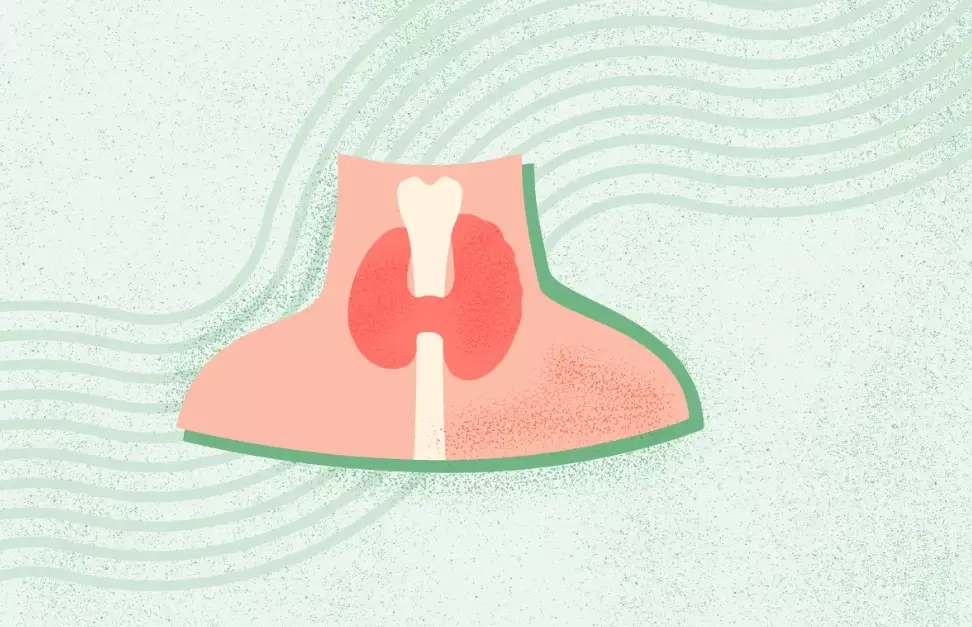
How is Hypothyroidism Diagnosed and Treated?
If you suspect it, don't self-diagnose with Dr. Google. The process is straightforward.
The Simple Blood Test
Diagnosis hinges on a blood test measuring Thyroid Stimulating Hormone (TSH). This is the pituitary gland's "wake-up call" to your thyroid. If your thyroid is slacking, your pituitary shouts louder, so a high TSH indicates hypothyroidism. Often, doctors also check Free T4, the actual thyroid hormone level, which will be low. For autoimmune causes, they may test for thyroid antibodies (TPO antibodies).
One expert nuance: The "normal" range for TSH is debated. Some endocrinologists believe a TSH above 2.5 or 3.0 mIU/L in a symptomatic person warrants attention, even if the lab's upper limit is 4.5. If you're symptomatic and your TSH is in the "high-normal" range, push for a fuller discussion or a second opinion.
Treatment: Replacing What's Missing
Treatment is effective and simple: daily synthetic thyroid hormone (levothyroxine). It's not a "cure" but a replacement, like insulin for diabetes. The goal is to find the precise dose that brings your TSH into an optimal range (usually 0.5-2.5 for most adults) and relieves your symptoms.
The biggest treatment pitfall? Impatience. It can take 6-8 weeks for your body to adjust to a new dose and for symptoms to fully resolve. You need to take it consistently, on an empty stomach, and wait before eating. And you'll need periodic blood tests (usually once or twice a year once stable) to ensure the dose remains right.
Your Hypothyroidism Questions, Answered
 Can you suddenly develop hypothyroidism, or is it always gradual?


Leave a comment