You've seen the pictures. You've read the statistics. Japan consistently ranks at the top for life expectancy, and its population often appears to defy the visible markers of aging. For years, the world has been fascinated, peering into bathroom cabinets and searching for that one miracle Japanese skincare product. I did the same when I first moved to Tokyo over a decade ago. I stocked up on lotions, essences, and sunscreens, convinced the answer was in a bottle. I was wrong. The real secret isn't a single product you can buy. It's a deeply ingrained, holistic lifestyle philosophy that treats aging not as a battle to be fought, but as a natural process to be navigated with grace, intention, and a surprising amount of daily joy.
What You'll Discover
The Philosophy Behind the Glowing Skin
Most Western anti-aging advice is combative. It's about "fighting" wrinkles, "erasing" fine lines, and "defying" age. The Japanese approach, rooted in concepts like "ikigai" (a reason for being) and "wabi-sabi" (finding beauty in imperfection and transience), is fundamentally different. Aging is seen as a natural accumulation of experience and wisdom. The goal isn't to look 20 at 50. The goal is to be vibrantly healthy, engaged, and radiant at 50, 70, or 90. This shift in mindset from resistance to acceptance is the invisible foundation everything else is built upon. It reduces stress (a major ager), promotes consistency, and fosters a gentler relationship with your own body.
The Four Pillars of Japanese Anti-Aging
Forget magic pills. Long-term youthfulness here rests on four interconnected pillars. Neglect one, and the whole structure wobbles.
Pillar 1: Nourishment From Within (The Japanese Diet, Deconstructed)
Yes, the Japanese diet is famous. But most people get it wrong. It's not just about eating sushi. It's a specific pattern of eating that supports cellular health.
Portion Control (Hara Hachi Bu): This Okinawan practice means "eat until you are 80% full." It's not calorie counting. It's mindful eating that prevents oxidative stress from over-digestion. Your stomach isn't stretched, and your body isn't overloaded. Try it. Put your fork down halfway through your meal, take a breath, and ask yourself if you're actually still hungry.
Food Variety and Quality: A typical meal is a collection of small dishes. This isn't just pretty plating. It ensures a wide range of nutrients. The staples are powerful:
- Fish & Seaweed: Omega-3s (anti-inflammatory) and minerals from the sea.
- Fermented Foods: Miso, natto, pickles. Your gut health is your skin health and your immune health. Natto, in particular, contains nattokinase and vitamin K2, linked to cardiovascular and bone health. It's an acquired taste, but its benefits are hard to ignore.
- Green Tea: It's not a trendy drink; it's the default beverage. The constant, low-dose intake of catechins (like EGCG) provides steady antioxidant support. Think of it as a slow, constant drip of protection against free radicals, rather than a massive, occasional antioxidant "blast" from a supplement.
- Colorful Vegetables: Sweet potatoes, daikon radish, leafy greens. Prepared lightly—steamed, simmered, or pickled—to preserve nutrients.
The biggest mistake I see? People trying to adopt this diet but still cooking with loads of inflammatory seed oils. Traditional Japanese cooking uses small amounts of sesame oil for flavor, or water-based methods like steaming and simmering.
Pillar 2: Skin as a Living Organ, Not a Canvas
Japanese skincare is ritualistic, not reactionary. The goal is to maintain the skin's barrier function and hydration above all else. A compromised barrier leads to inflammation, sensitivity, and accelerated aging.
Layering (The 5-7 Step Routine): It's not about piling on 10 serums. It's about applying lightweight, hydrating layers in a specific order (oil cleanser, water cleanser, lotion/toner, essence, serum, emulsion, cream) to gradually build moisture. Each layer helps the next penetrate. The star ingredient is often hyaluronic acid, used to attract and hold water in the skin.
Sun Protection is Non-Negotiable: This is the single most important topical anti-aging step. Japanese sunscreens are famous for their lightweight, non-greasy textures (like the Biore Aqua Rich line), which makes daily use a pleasure, not a chore. It's applied 365 days a year, rain or shine, because UVA rays penetrate clouds and windows.
Pillar 3: Mindful Movement, Not Punishing Exercise
You won't see as many people killing themselves in high-intensity gyms. The focus is on consistent, low-impact movement integrated into daily life: walking, gardening, taking the stairs, radio taiso (short, gentle group calisthenics done by millions every morning), and practices like Tai Chi or Shinrin-yoku (forest bathing). This maintains mobility, circulation, and muscle tone without creating the chronic inflammation and cortisol spikes associated with overtraining.
Pillar 4: The Purpose and Connection Edge
This is the most overlooked pillar. Ikigai gives people a reason to get up in the morning well into old age—be it a hobby, volunteer work, a small business, or caring for grandchildren. Social connections are strong, reducing loneliness and depression, both of which have tangible, negative effects on physical health and longevity. There's a reason many Japanese seniors remain active in their communities; it's built into the social fabric.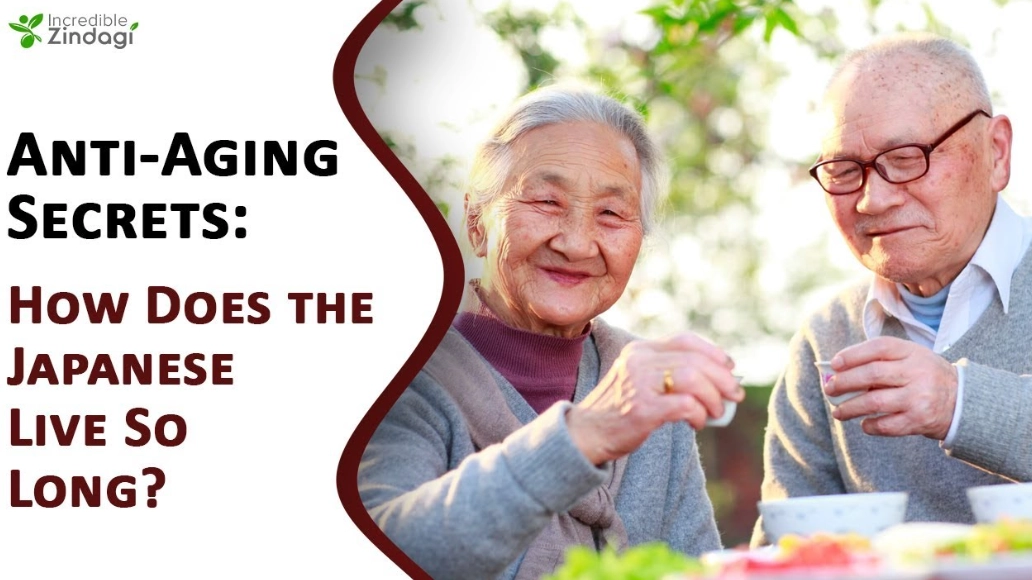
The Daily Rituals That Make the Difference
Let's get concrete. How does this translate to a Monday? It's the small, repeated actions.
| Time of Day | Japanese-Inspired Ritual | Anti-Aging Benefit |
|---|---|---|
| Morning | Start with a cup of warm green tea. Gentle 5-minute stretching (radio taiso videos are on YouTube). Apply a hydrating skincare routine followed by SPF 50 sunscreen, even if you're indoors. | Antioxidant boost, improves circulation/flexibility, protects skin from photoaging all day. |
| Meals | Practice "Hara Hachi Bu." Fill half your plate with vegetables (steamed or simmered). Include a small serving of fatty fish (like salmon or mackerel) 3x a week. Add a small side of fermented food (miso soup, kimchi). | Reduces metabolic stress, provides essential nutrients & antioxidants, supports gut microbiome. |
| Afternoon | Take a 15-20 minute walk outside. If possible, walk in a park (Shinrin-yoku). Reapply sunscreen if you've been outdoors for more than 2 hours. | Reduces stress hormones, boosts vitamin D (with protection), improves cardiovascular health. |
| Evening | Double-cleanse your face to remove sunscreen and pollution. Take a warm bath ("ofuro") to relax muscles. Engage in your "ikigai" activity—reading, calligraphy, gardening for 30 minutes. Avoid screens 1 hour before bed. | Ensures clean, calm skin. Promotes deep relaxation and sleep quality. Reduces stress and provides mental stimulation. |
Common Mistakes and How to Avoid Them
Adopting parts of this lifestyle without understanding the whole can backfire. Here's what I've seen go wrong.
Mistake 1: Using a Japanese sunscreen but eating a highly processed, sugary diet. You're protecting the surface while inflaming the body from the inside. The diet is 80% of the work.
Mistake 2: Adopting the 7-step skincare routine but with harsh, stripping products. If your cleanser makes your skin feel "squeaky clean," it's damaging your barrier. Japanese cleansers are typically gentle and pH-balanced.
Mistake 3: Seeking "ikigai" in a grand, life-changing purpose. For most Japanese, ikigai is small and immediate: the joy of brewing the perfect cup of tea, the satisfaction of a well-tended garden, the connection of meeting friends for a weekly walk. Start small.
Your Questions, Answered
 Is the Japanese anti-aging approach effective for all skin types and ethnicities?
 The Japanese secret to anti-aging isn't hidden in a remote monastery or a lab. It's woven into the fabric of everyday life. It's the respect for food, the ritual of care, the value of gentle movement, and the profound importance of having a reason to greet the day. It's a slow, consistent, holistic investment in yourself. You don't need to move to Tokyo. Start by drinking green tea instead of soda, putting on sunscreen tomorrow morning, and leaving three bites on your plate at dinner. That's where the secret—and your own lasting radiance—begins.

Leave a comment