Let's get one thing straight right off the bat. Anti aging for women in their 40s has almost nothing to do with chasing the skin you had at 25. That ship has sailed, and honestly, good riddance. The goal shifts dramatically in this decade. It's about vitality, strength, and radiant health that shows on your face and in your energy levels. It's about slowing down the clock from here on out, not rewinding it. The strategies that got you through your 30s often fall flat now because your body is undergoing a silent, significant shift: hormonal changes that affect everything from collagen production to where you store fat.
I learned this the hard way. At 42, I was still using the same skincare, following the same workout routine, and wondering why my skin looked duller and my recovery from the gym took forever. I was fighting the wrong battle. True anti aging after 40 is a holistic project. It's what you put on your skin, yes, but it's infinitely more about what you put in your body, how you move it, and crucially, how you rest and manage stress.
What's Inside This Guide
The 40s Skin Shift: Why Your Old Routine Fails
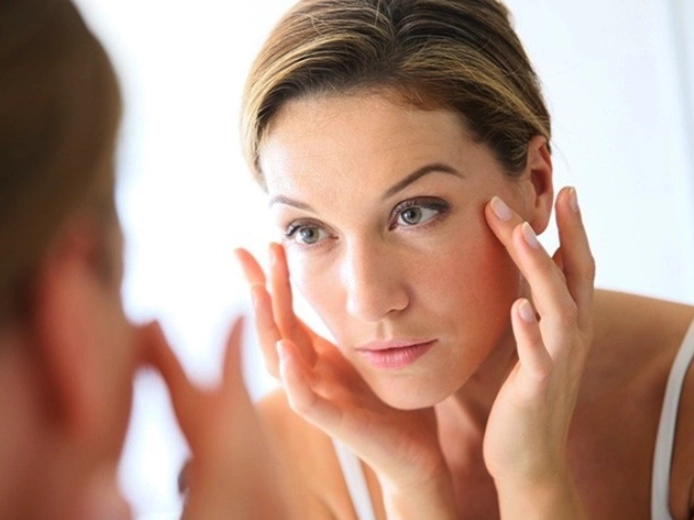
Around 40, estrogen starts its gradual decline. This isn't just about periods; estrogen is a key player in keeping skin plump and hydrated by stimulating collagen and hyaluronic acid. The drop-off means collagen production can decrease by about 1% per year. You're not imagining the thinner, drier skin.
So what works now?
Forget the single miracle cream. You need a targeted cocktail. The biggest mistake I see is women using a retinoid wrong—too often, too strong, without proper moisture. It backfires, causing irritation that ages you more. Start low and slow with retinol (0.3% or 0.5%) two nights a week, sandwiched between moisturizer.
Here’s the core lineup your skin actually needs:
Essential Actives for 40s Skin
| Ingredient | Primary Job |
|---|---|
| Vitamin C (L-ascorbic acid) | Antioxidant shield, brightens, boosts collagen. |
| Retinoid (Retinol, Prescription Retin-A) | Gold standard for collagen, cell turnover. |
| Peptides | Signals skin to make more collagen. |
| Hyaluronic Acid | Humectant that holds 1000x its weight in water. |
| Niacinamide (5-10%) | Strengthens skin barrier, reduces redness, regulates oil. |
Sunscreen is non-negotiable. SPF 30 minimum, every single day, rain or shine. It's your most powerful anti-aging product. The American Academy of Dermatology states daily sunscreen use can significantly reduce the risk of squamous cell carcinoma and premature skin aging. Look for "broad spectrum" on the label.
The Three Non-Negotiable Nutrition Rules
You can't out-cream a bad diet. In your 40s, your metabolism isn't what it was, and inflammation becomes a primary driver of aging. Food is information that tells your cells to either rust and inflame or repair and thrive.
The Protein Rule: Aim for 25-30 grams of high-quality protein per meal. Why? Muscle mass naturally declines (sarcopenia), and protein is the building block to combat it. It also keeps you full, stabilizes blood sugar, and is essential for hair and skin. A chicken breast, a cup of Greek yogurt, or a scoop of protein powder gets you there.
The Fiber Focus: Gut health is skin health. Aim for 25-35 grams of fiber daily from vegetables, fruits, legumes, and whole grains. It feeds good gut bacteria, which reduces systemic inflammation. A hidden benefit? It helps regulate estrogen metabolism, which is crucial as hormones fluctuate.
The Healthy Fat Fix: Your brain and hormones are made of fat. Include omega-3s (fatty fish, walnuts, flaxseeds) to fight inflammation and monounsaturated fats (avocado, olive oil) for skin elasticity. The mistake is fearing all fat. Low-fat diets in your 40s can leave skin dry and hormones out of whack.
Cut back on the big accelerants: sugar and processed carbs. They cause glycation, where sugar molecules attach to collagen fibers, making them stiff and brittle—leading to wrinkles. Alcohol is a double-whammy: it dehydrates and taxes your liver, which is trying hard to process shifting hormones.
The 40s Movement Mandate: Strength Over Cardio
If you're still just logging miles on the treadmill, you're missing the most powerful anti-aging tool: strength training. Muscle is metabolically active tissue. More muscle means a higher resting metabolism, better blood sugar control, and stronger bones (osteoporosis risk rises post-menopause).
Cardio is great for heart health, but it doesn't build the muscle you need to hold your frame upright, prevent back pain, and maintain a strong posture. Two to three strength sessions a week is the goal. You don't need a gym. Bodyweight exercises—squats, lunges, push-ups (modified is fine), planks—are incredibly effective.
I made the switch at 43. Instead of five days of running, I did two days of running, two days of heavy-ish lifting, and one day of yoga. The change in my body composition and energy was startling. My clothes fit better, and my face looked less... puffy. Strength training improves insulin sensitivity, which directly impacts inflammation and aging.
Don't forget mobility. Stiff joints are a fast track to feeling old. Ten minutes of stretching or foam rolling after a workout, or a weekly yoga class, makes a world of difference.
The Unseen Accelerators: Sleep & Stress
This is where the magic—or the damage—happens. Poor sleep and chronic stress age you at a cellular level by shortening telomeres (the protective caps on your chromosomes) and flooding your body with cortisol.
Sleep: This is when your body repairs. Growth hormone, crucial for tissue repair and muscle growth, is primarily released during deep sleep. Less than 7 hours a night? You're undermining all your other efforts. Cortisol stays elevated, hunger hormones get messed up (hello, cravings), and skin doesn't repair. Create a ritual: cool, dark room, no screens an hour before bed, maybe some magnesium glycinate.
Stress: Constant cortisol breaks down collagen and triggers inflammation. It also leads to belly fat storage. The anti-aging practice isn't necessarily eliminating stress (impossible), but changing your response to it. Five minutes of deep breathing, a 10-minute walk outside, journaling—these aren't fluffy extras. They are biochemical interventions. My personal non-negotiable is a 15-minute walk without my phone. It resets my nervous system.
Building Your Anti-Aging Action Plan
Don't try to overhaul everything at once. You'll burn out. Pick one area from each category to focus on this month.
Skin: If you do nothing else, get your AM (Vitamin C + SPF) and PM (Moisturizer + Retinol 2x/week) routine locked down.
Nutrition: Add one extra serving of vegetables to lunch and dinner. Swap your afternoon snack for one with protein (e.g., an apple with almond butter).
Movement: Add two 20-minute strength sessions this week. Follow a YouTube video if you need guidance.
Recovery: Get to bed 30 minutes earlier. Try a 5-minute breathing exercise when you feel overwhelmed.
The goal is consistency, not perfection. Aging is inevitable, but how you age is largely within your control. It's about building a resilient, vibrant body that carries you confidently into your next decades.
Your Anti-Aging Questions, Answered
 Are "firming" or "lifting" creams for the face and neck worth the money?


Leave a comment