Let's talk about your thyroid. That little butterfly-shaped gland in your neck is the master controller of your metabolism, energy, mood, and so much more. When it's off, your whole body feels off. The tricky part? Thyroid problems, especially in women, often creep in with whispers, not shouts. You might blame stress, aging, or just a bad month. But knowing the early warning signs of thyroid problems in females can be the difference between years of feeling "not quite right" and getting back to your vibrant self.
Women are five to eight times more likely than men to develop thyroid disorders, according to the American Thyroid Association. The reasons are tied to our complex hormonal landscape—pregnancy, menopause, and autoimmune tendencies all play a role. The most common issues are hypothyroidism (underactive thyroid) and hyperthyroidism (overactive thyroid), and their early signals can be frustratingly vague.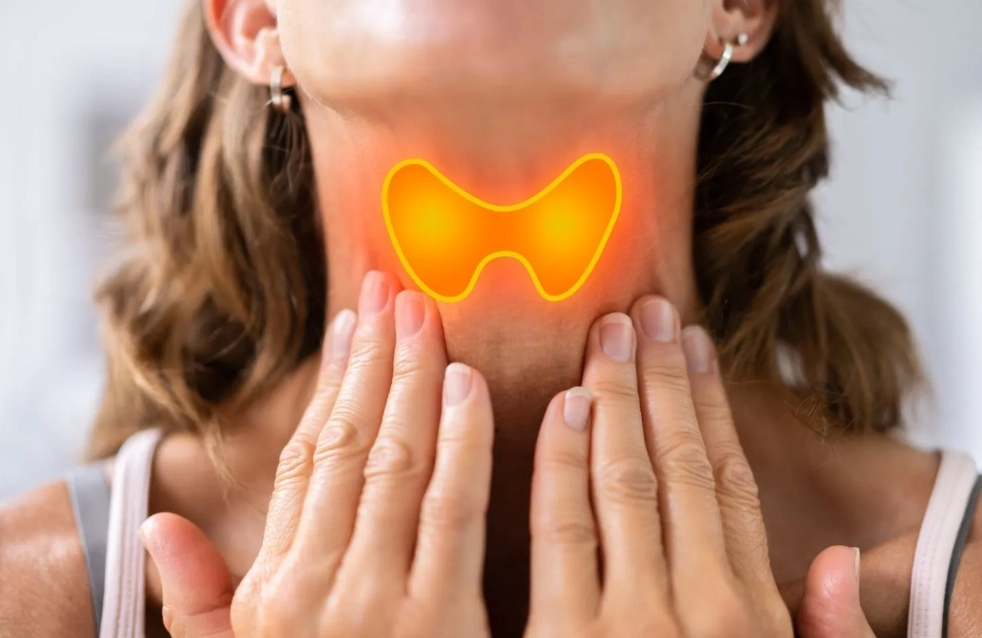
Your Quick Guide to Thyroid Red Flags
Why Women So Often Miss the Early Signs of Thyroid Problems
I've seen it countless times in my practice. A woman in her 30s or 40s comes in saying she's just exhausted. She's gained 15 pounds without changing her diet, her hair is coming out in clumps, and she feels cold all the time. Her first thought? "I'm a busy mom," "I'm not sleeping enough," or "This must be perimenopause."
That's the insidious nature of thyroid dysfunction. Its symptoms masquerade as the collateral damage of modern life. The fatigue of hypothyroidism isn't your ordinary "I need a coffee" tired. It's a deep, bone-weary exhaustion that a full night's sleep doesn't touch. The weight gain is stubborn and centralized, often with puffiness in the face and eyes, not just extra pounds. We dismiss these signs because they're common, but their pattern and persistence are what's telling.
A key insight often missed: Many women focus on one symptom, like weight gain, and embark on punishing diets that fail because their slowed metabolism won't budge. Treating the thyroid is the missing piece. Similarly, the anxiety and heart palpitations of hyperthyroidism are frequently mislabeled as a panic disorder.
The 7 Key Early Warning Signals You Need to Know
Don't look for one symptom in isolation. Look for a cluster that appears together and persists for weeks. Here’s a breakdown of the most common early signs, categorized to help you connect the dots.
| Symptom Cluster | What It Feels Like (Hypothyroidism) | What It Feels Like (Hyperthyroidism) | The "Why" Behind It |
|---|---|---|---|
| Energy & Weight | Overwhelming fatigue, unrefreshing sleep. Weight gain despite normal eating. Feeling sluggish. | Nervous energy, restlessness, insomnia. Weight loss despite increased appetite. | Thyroid hormones directly regulate metabolic rate and cellular energy production. |
| Temperature Sensitivity | Constantly cold, especially hands and feet. Low basal body temperature. | Heat intolerance, excessive sweating, preferring cold environments. | Controls the body's thermostat. Low hormone = low heat production, high hormone = high heat. |
| Skin, Hair & Nails | Dry, itchy, pale skin. Thinning hair, especially outer third of eyebrows. Brittle nails. | Thin, fragile skin. Fine hair that may also thin. Nails that grow quickly and peel. | Thyroid hormones are crucial for skin cell turnover and hair follicle regeneration. |
| Mood & Mind | Depression, brain fog, forgetfulness, lack of motivation. | Anxiety, irritability, panic attacks, difficulty concentrating. | Profound impact on neurotransmitters like serotonin and norepinephrine. |
| Menstrual Cycle | Heavier, longer, more painful periods. Worse PMS. | Lighter, infrequent, or missed periods. | Interacts closely with reproductive hormones (estrogen, progesterone). |
Beyond the table, two physical signs deserve special attention because you can actually see or feel them.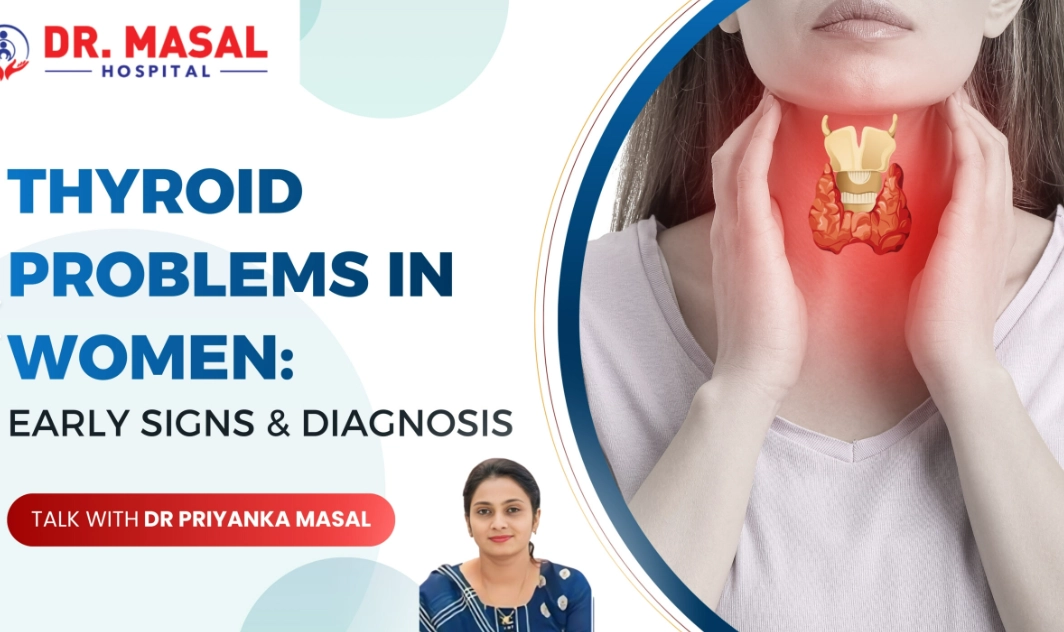
Neck Discomfort or Visible Change
Sometimes, the gland itself acts up. A goiter (enlarged thyroid) can cause a feeling of tightness in the throat, a persistent cough, or hoarseness. You might notice a visible swelling at the base of your neck, especially when you tip your head back and swallow. While not all thyroid issues cause a goiter, it's a clear physical sign something is wrong.
Cholesterol and Bowel Surprises
Here's a less-known sign: unexplained high cholesterol. Hypothyroidism can cause LDL (the "bad" cholesterol) to rise because your body slows down its clearance. Conversely, hyperthyroidism can sometimes lead to more frequent bowel movements or even diarrhea. If your cholesterol spikes or your digestion changes dramatically without a clear lifestyle cause, it's worth adding thyroid to the investigation list.
When It's Not "Just Stress" or "Getting Older": Common Misdiagnoses
This is where experience matters. I've lost count of the women who were prescribed antidepressants for thyroid-induced low mood, or told their heavy periods and fatigue were "normal" for their age. A 45-year-old woman with brain fog and weight gain is often steered toward perimenopause discussions, which are important, but a simple TSH test should be the first step.
The overlap with other conditions is vast:
- Hypothyroidism can look like: Chronic Fatigue Syndrome, depression, fibromyalgia, or simply "aging."
- Hyperthyroidism can look like: An anxiety disorder, panic disorder, irritable bowel syndrome (IBS), or an irregular heartbeat (arrhythmia).
The difference often lies in the constellation of symptoms. Depression alone doesn't typically cause you to feel cold with thinning eyebrows. Generalized anxiety doesn't usually come with unexplained weight loss and hand tremors. If you're presenting with symptoms from multiple categories in the table above, you must advocate for a thyroid check.
What to Do Next: When to See a Doctor
If you're ticking off several of these early warning signs, don't wait. The diagnostic process is straightforward.
- Track Your Symptoms: For two weeks, jot down what you're experiencing—energy levels, mood, any physical changes. Patterns help.
- See Your Primary Care Doctor or a Gynecologist: Describe your cluster of symptoms. Be specific: "I'm not just tired, I need a nap at 3 PM every day and still sleep 9 hours." "My hair loss is filling the shower drain."
- Ask for a Full Thyroid Panel: This is crucial. Don't settle for just TSH. Request TSH, Free T4, Free T3, and Thyroid Peroxidase Antibodies (TPOAb). The antibody test can reveal Hashimoto's disease, the most common cause of hypothyroidism in women, years before the TSH rises significantly. Many women are told their TSH is "normal" (often using an outdated, broad range) while they have positive antibodies and clear symptoms—this is subclinical hypothyroidism and deserves attention.
- Consider a Specialist: If your doctor dismisses your concerns or your results are borderline but you're symptomatic, see an endocrinologist. They specialize in hormonal glands like the thyroid.
Treatment, if needed, is usually very effective. Hypothyroidism is managed with daily synthetic thyroid hormone (levothyroxine). Hyperthyroidism has several options, including medication, radioactive iodine, or sometimes surgery. The goal is to restore your hormone levels to where you feel best, not just where the lab range says you should be.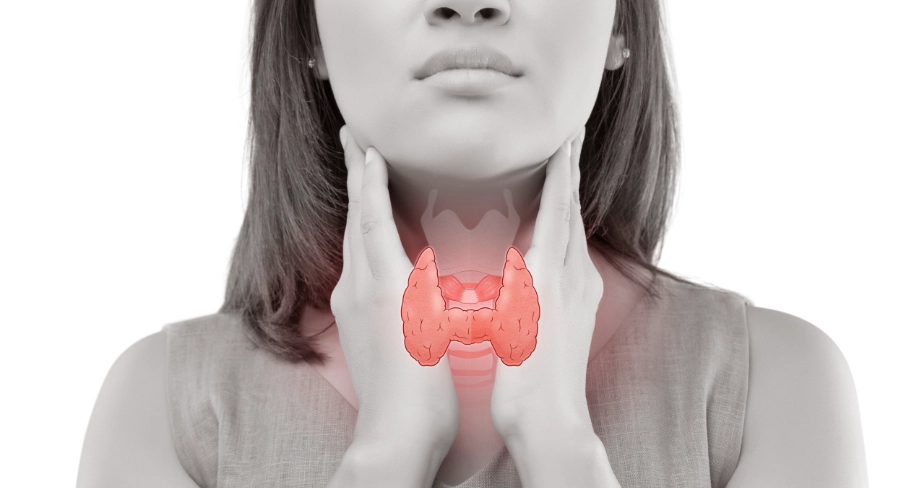
Your Thyroid Questions, Answered



Leave a comment