Quick Navigation
If you're a woman wondering about autoimmune diseases, let's cut to the chase: the most common one is Hashimoto's thyroiditis. I've seen it over and over in my practice—women coming in with vague complaints, often dismissed as stress or aging, only to find out their thyroid is under attack by their own immune system. Hashimoto's isn't just a thyroid issue; it's a full-body condition that can mess with your energy, weight, mood, and more. By the end of this article, you'll know exactly what it is, why it hits women harder, and how to manage it effectively.
What Exactly is Hashimoto's Thyroiditis?
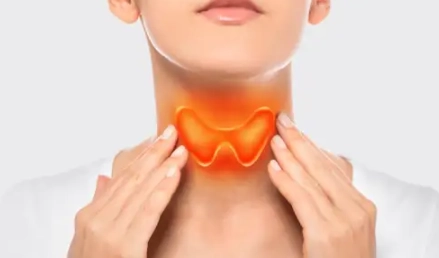
Hashimoto's thyroiditis is an autoimmune disorder where your immune system mistakenly attacks your thyroid gland. This small butterfly-shaped gland in your neck produces hormones that regulate metabolism, energy, and body temperature. When it's damaged, hormone production drops, leading to hypothyroidism. Unlike other autoimmune diseases that might flare up and down, Hashimoto's is usually progressive—it slowly chips away at thyroid function over years. Many people don't even realize they have it until symptoms become unbearable. The American Thyroid Association notes that Hashimoto's is the leading cause of hypothyroidism in the United States, especially among women.
Why Does Hashimoto's Target Women More Often?
Women are up to 8 times more likely to develop Hashimoto's than men. Why? Hormones play a big role. Estrogen fluctuations during puberty, pregnancy, and menopause can trigger or worsen autoimmune responses. Genetics also matter—if your mom or sister has an autoimmune disease, your risk goes up. But here's a point many miss: stress and environmental factors like iodine intake or viral infections can tip the scales. I've noticed that women often juggle multiple roles, leading to chronic stress that weakens the immune system. It's not just bad luck; it's a perfect storm of biology and lifestyle.
Recognizing the Symptoms: A Checklist
Symptoms of Hashimoto's can be sneaky. They creep in slowly, making it easy to blame them on a busy life. Here's a table to break down the common signs—use it as a quick reference.
| Symptom Category | Specific Symptoms | Why It Happens |
|---|---|---|
| Fatigue and Energy | Persistent tiredness, even after sleep; feeling drained by afternoon | Low thyroid hormone slows metabolism |
| Weight and Metabolism | Unexplained weight gain, difficulty losing weight despite diet/exercise | Reduced metabolic rate |
| Mood and Cognitive | Brain fog, depression, anxiety, memory lapses | Hormonal imbalances affecting brain function |
| Physical Changes | Hair loss, dry skin, brittle nails, feeling cold all the time | Poor circulation and reduced cell turnover |
| Other Systemic Issues | Constipation, joint pain, irregular periods, muscle aches | Slowed bodily functions and inflammation |
If you tick more than a few boxes, it's time to dig deeper. Don't ignore subtle signs—I've had patients who thought their fatigue was just part of aging, but it was Hashimoto's all along.
The Overlooked Early Signs
Many doctors focus on classic symptoms like weight gain, but early Hashimoto's can show up as recurrent miscarriages or postpartum thyroiditis. Women might experience these during pregnancy and not connect them to autoimmune issues. It's a gap in awareness that needs fixing.
Getting a Diagnosis: Steps and Tests
Diagnosing Hashimoto's isn't always straightforward. Standard thyroid tests might miss it if you're in the early stages. Here's what you should ask for:
- TSH (Thyroid-Stimulating Hormone) test: This is the first line, but alone it's insufficient. A normal TSH doesn't rule out Hashimoto's.
- TPO antibodies test: This checks for antibodies attacking your thyroid. It's crucial for confirming autoimmune activity. Many clinics skip this, leading to misdiagnosis.
- Thyroid ultrasound: If antibodies are high, an ultrasound can visualize gland damage.
From my experience, insist on a full panel. I've seen women with "borderline" TSH levels who actually had sky-high antibodies. Don't settle for a partial picture—advocate for comprehensive testing.
Treatment Options: Beyond Medication
Treatment typically starts with levothyroxine, a synthetic thyroid hormone. It replaces what your gland can't produce. But medication alone isn't a cure-all. Dosage needs regular adjustment based on symptoms and lab results. Beyond pills, consider:
- Dietary changes: Reducing gluten and dairy can help some people, as these foods may trigger inflammation. Not a universal fix, but worth experimenting with.
- Stress management: Practices like yoga or meditation can lower cortisol levels, which might ease autoimmune flares.
- Supplements: Selenium and vitamin D are often recommended, but consult a doctor first—over-supplementing can backfire.
A common mistake is relying solely on medication without addressing lifestyle factors. I've worked with patients who felt better only after tweaking their diet and sleep habits alongside meds.
Daily Life with Hashimoto's: Expert Tips
Living with Hashimoto's means adapting. Here are some practical tips I've gathered from years of counseling patients:
- Track your symptoms: Keep a journal of energy levels, mood, and weight. It helps identify triggers and adjust treatment.
- Prioritize sleep: Aim for 7-9 hours nightly. Poor sleep worsens fatigue and inflammation.
- Exercise smartly: Gentle activities like walking or swimming are better than intense workouts that can stress the body.
- Connect with support groups: Sharing experiences with other women can reduce isolation. Online communities like those on the Hashimoto's Awareness page (a reputable source) offer valuable insights.
Remember, it's a marathon, not a sprint. Small, consistent changes add up.
Frequently Asked Questions (FAQ)
Hashimoto's thyroiditis might be common, but it doesn't have to define your life. By understanding the disease, advocating for proper diagnosis, and embracing a holistic management approach, you can take back control. If you suspect you have symptoms, start with a conversation with your doctor—and don't downplay what you're feeling. Your health is worth the effort.



Leave a comment