Let's cut to the chase. A good skincare routine for women isn't about using twenty fancy products. It's about consistency with a few key players that match your skin's needs. Forget the overwhelming ten-step routines you see online. Most of us don't need that, and trying to do it all is a fast track to irritation and wasted money. The core of any effective regimen is simple: cleanse, treat, moisturize, and protect. Get that foundation right, and your skin will thank you. Everything else is bonus territory.
Your Skincare Roadmap
The Non-Negotiable Basics: Your Daily Core 4
This is the skeleton of your skincare routine. Skip one, and the whole structure gets wobbly.
1. Cleanser: The Gentle Reset
Your goal here is to remove dirt, oil, and sunscreen without stripping your skin. That tight, squeaky-clean feeling? That's bad. It means your skin's protective barrier is compromised. I learned this the hard way years ago with harsh foaming cleansers that left my cheeks red and reactive.
Look for creamy, milky, or gel-based formulas. In the morning, a quick rinse with lukewarm water or a gentle cleanser is enough. At night, you need something that can break down the day's grime and makeup. If you wear makeup or heavy sunscreen, consider double cleansing: an oil-based balm first, followed by your regular gentle cleanser.
2. Moisturizer: The Hydration Anchor
Think of moisturizer as a drink of water and a cozy sweater for your skin. It hydrates and helps seal that moisture in. Even oily skin needs moisturizer; skipping it can actually trigger more oil production as your skin tries to compensate. The key is finding the right texture.
3. Sunscreen: The Non-Optional Final Step (AM)
This is your single most powerful anti-aging and cancer-preventing product. Period. Daily use of broad-spectrum SPF 30 or higher prevents photoaging (wrinkles, spots) and reduces skin cancer risk. Apply it as the last step of your morning routine, every single day, rain or shine. A common pitfall is using too little. You need about a teaspoon for your face and neck.
Expert Tip: The order of application matters. Always apply products from thinnest to thickest consistency. Sunscreen goes on after moisturizer but before makeup. If your moisturizer has SPF, you likely still need a dedicated sunscreen to get adequate protection.
Leveling Up: When to Add Advanced Steps
Once your Core 4 is a rock-solid habit (give it at least a month), you can introduce "treatment" or "active" ingredients. These address specific concerns like dullness, fine lines, acne, or dark spots. Introduce only one new product at a time, and patch test first.
| Treatment Step | Best For | Key Ingredient Examples | When to Use |
|---|---|---|---|
| Vitamin C Serum | Brightening, antioxidant protection, fighting free radicals from pollution. | L-ascorbic acid, tetrahexyldecyl ascorbate, magnesium ascorbyl phosphate. | Morning, after cleansing, before moisturizer. |
| Exfoliant (AHA/BHA) | Dissolving dead skin cells (AHA for surface, BHA for inside pores). Improves texture and clarity. | Glycolic acid (AHA), Lactic acid (AHA), Salicylic acid (BHA). | Evening, 1-3 times per week. NEVER on same night as retinol. |
| Retinol/Retinoid | The gold standard for anti-aging and acne. Increases cell turnover, boosts collagen. | Retinol (OTC), Retinaldehyde, Prescription tretinoin. | Evening, 1-3 times per week to start. After cleansing, before moisturizer. |
| Hydrating Serum/Toner | Adding a layer of hydration, especially for dry or dehydrated skin. | Hyaluronic acid, Glycerin, Snail mucin. | Morning or evening, after cleansing/actives, before moisturizer. |
Tailoring to Your Skin: A Type-by-Type Guide
Here's where generic advice falls apart. Your friend's perfect routine might be your nightmare. Listen to your skin.
Oily/Acne-Prone Skin: Your mantra is "balance, not annihilation." Use a gentle foaming or salicylic acid cleanser. A lightweight, oil-free, or gel moisturizer is your friend. Niacinamide is a superstar ingredient for regulating oil and calming inflammation. Avoid heavy creams and comedogenic oils.
Dry Skin: You need nourishment and barrier support. Cream or milky cleansers are ideal. Look for moisturizers with ceramides, fatty acids, and cholesterol to repair your skin barrier. Hyaluronic acid serums on damp skin, followed by a rich cream, can work wonders. Consider an occlusive like a thin layer of petroleum jelly over dry patches at night.
Combination Skin: This is the most common type. You often need to treat different zones differently. Use a gentle cleanser overall. You can apply a lighter moisturizer on your oily T-zone and a richer one on your drier cheeks. Spot-treat with products as needed.
Sensitive Skin: Less is more. Fragrance-free, dye-free, and minimal ingredient lists are crucial. Stick to the Core 4 with ultra-gentle products. Introduce any new treatment, even a "gentle" one, with extreme caution. Centella asiatica and oat extract are great calming ingredients.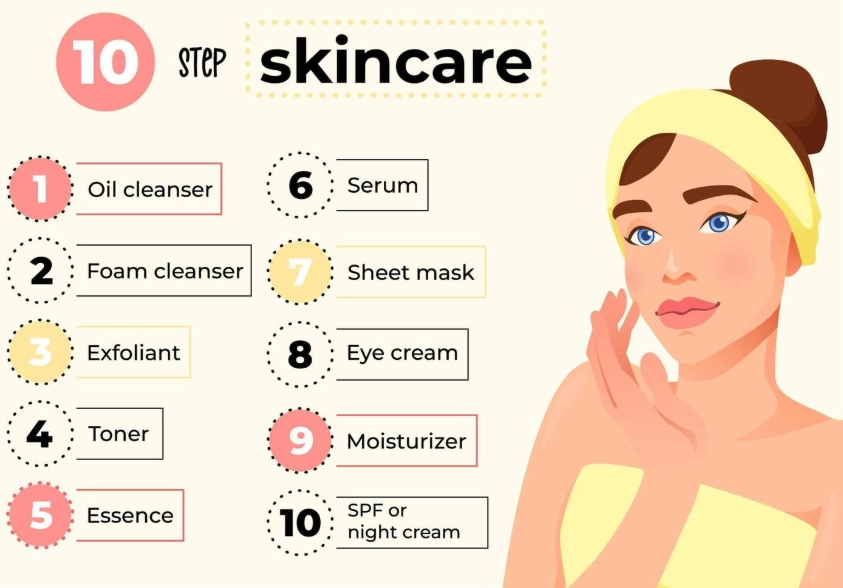
The 3 Most Common Routine Mistakes (And How to Fix Them)
I've seen these patterns for years, both in clients and in my own early skincare misadventures.
Mistake 1: Over-Cleansing or Using Harsh Scrubs. You're trying to scrub your problems away, but you're just damaging your moisture barrier. This leads to more sensitivity, redness, and sometimes more breakouts. Fix: Use a gentle cleanser. Physical scrubs are rarely necessary; chemical exfoliants (AHAs/BHAs) are more effective and less abrasive.
Mistake 2: Skipping Sunscreen Because You're Indoors. UVA rays penetrate windows. If you sit near one, you're getting sun exposure. Blue light from screens might also contribute to pigmentation. Fix: Make SPF a habit like brushing your teeth. Do it regardless of your plans.
Mistake 3: Using Too Many Active Ingredients at Once. Stacking retinol, vitamin C, and an exfoliating acid in one night because you want faster results is a recipe for a raw, angry face. Fix: Practice skin cycling or alternate nights. For example: Night 1: Exfoliate. Night 2: Retinol. Nights 3 & 4: Recovery (just cleanser, moisturizer, maybe a hydrating serum).
Putting It All Together: Sample AM & PM Routines
A Simple, Effective Morning Routine
- Cleanser: Splash with water or use a gentle cleanser.
- Treatment (Optional): Vitamin C serum or a niacinamide serum.
- Moisturizer: A light lotion or cream.
- Sunscreen: Broad-spectrum SPF 30+. This is mandatory.
A Simple, Effective Evening Routine
- First Cleanse (if needed): Makeup remover balm or oil.
- Second Cleanse: Your go-to gentle facial cleanser.
- Treatment (2-3 times a week): Retinol OR Exfoliant (AHA/BHA). Not both on the same night.
- Moisturizer: Your night cream, which can be richer than your daytime one.
On nights you don't use an active, just cleanse and moisturize. Let your skin rest.
 Is it necessary to use expensive products for a good skincare routine?
The best skincare routine is the one you actually do, consistently. It doesn't have to be complex or expensive. Start with the Core 4—gentle cleanser, moisturizer, sunscreen—and master that habit. From there, you can carefully explore treatments that target your personal goals. Listen to your skin more than any influencer or trend. It will tell you what it needs, often by what it doesn't like. Pay attention, be patient, and remember that skincare is a form of self-care, not a punishment.





Leave a comment