Meal Planning for Women: A Stress-Free Guide to Better Nutrition
Let's be honest. The idea of "meal planning for women" often comes wrapped in glossy photos of perfect containers and restrictive lists. It feels like another item on the endless to-do list. But what if it wasn't about control, but about freedom? What if it was the tool that gave you back time, reduced daily stress, and quietly supported your energy, mood, and health goals without demanding perfection?
That's the approach we're taking here. This isn't a one-size-fits-all diet plan. It's a framework. We'll talk about the nutrients that matter most for women's bodies, how to build a plan that bends instead of breaks, and tackle the real roadblocks—like having zero time or cooking for one.
Your Quick Guide to Stress-Free Eating
Why Women Need a Different Approach to Meal Planning
You can't just follow a generic plan. Our bodies have different nutritional demands that change throughout life. Ignoring this is why so many plans fail.
Iron is a big one. Women need almost twice as much as men during childbearing years, according to the National Institutes of Health Office of Dietary Supplements. Low iron doesn't just mean anemia; it's that deep, unshakeable fatigue no amount of coffee fixes. Calcium and Vitamin D for bone health become non-negotiable, especially as we approach menopause and bone density naturally declines.
Then there's the hormone rollercoaster. The cyclical nature of a woman's menstrual cycle affects energy, hunger cues, and nutrient needs. Planning the same meals week in, week out, ignores this biological reality. A meal plan that works for you should have a rhythm, not a rigid rule.
Building Your Flexible, No-Guilt Meal Plan
Forget the 50-step programs. A sustainable plan has four core pillars.
1. Assess & Set a Realistic Goal
Ask yourself: "What's my one main goal this month?" Be specific. Is it to have a proper lunch ready so you stop buying expensive salads? To ensure you're getting enough protein to feel stronger? To have two vegetable-based dinners to help your digestion? One goal. Nail that first.
2. Use a Template, Not a Dictator
I use a simple theme system. It provides structure without suffocating creativity.
- Monday: Big-Batch Something (soup, chili, curry)
- Tuesday: Taco/Bowl Night (endless variations)
- Wednesday: Leftover Buffet
- Thursday: 20-Minute Protein + Veg + Carb
- Friday: Fun Night (homemade pizza, breakfast for dinner)
See? No specific recipes, just categories. This flexibility is key.
3. Shop with a List, But Keep Pantry Heroes
Your list comes from your template. But your secret weapon is a well-stocked pantry and freezer. When life blows up your plan (and it will), these save you.
Pantry/Freezer Lifesavers: Canned beans, lentils, tuna. Frozen vegetables (broccoli, spinach, mixed peppers). Jarred pasta sauce. Whole grain pasta, quinoa, oats. Eggs. A block of cheese that you grate yourself (it lasts longer).
4. Prep Smart, Not Everything
You don't need to chop every vegetable for the week. That leads to soggy, sad food. "Smart prep" means doing one or two things that remove the biggest friction points.
Maybe that's washing and chopping lettuce for salads, cooking a big pot of quinoa, or browning two pounds of ground turkey to use in different meals. Pick the task that makes the week's meals feel instantly easier.
A Realistic Sample Week of Meals
Here’s what this looks like in practice, focusing on nutrient density and ease. Notice the repetition—it’s a feature, not a bug.
| Day | Dinner Idea | Key Nutrients in Focus | Prep Ahead Tip |
|---|---|---|---|
| Monday | Lentil & Vegetable Soup with whole grain bread | Iron, Fiber, Folate | Make a double batch. Freeze half. |
| Tuesday | Build-Your-Own Taco Bowls: ground turkey, black beans, salsa, avocado, lettuce | Protein, Healthy Fats, Magnesium | Cook the turkey/beans Monday night. Chop lettuce. |
| Wednesday | Leftover Soup & Taco Bowl Mix | -- | No cooking. Just reheat and maybe add a fresh side. |
| Thursday | Pan-Seared Salmon, microwave-ready quinoa pouch, steamed frozen broccoli | Omega-3s, Calcium, Vitamin D | Use frozen salmon filets. The quinoa pouch is the time-saver. |
| Friday | Whole Wheat Pizza with premade dough, pesto, mozzarella, cherry tomatoes | Calcium, Lycopene | Buy the dough. This is about joy, not effort. |
Lunches are often dinner leftovers or a giant salad topped with leftover protein. Breakfast is consistent: Greek yogurt with berries and nuts, or eggs and avocado toast. Consistency at one or two meals simplifies everything.
Solving Common Roadblocks (Time, Budget, Motivation)
This is where most articles stop. Let's get into the messy stuff.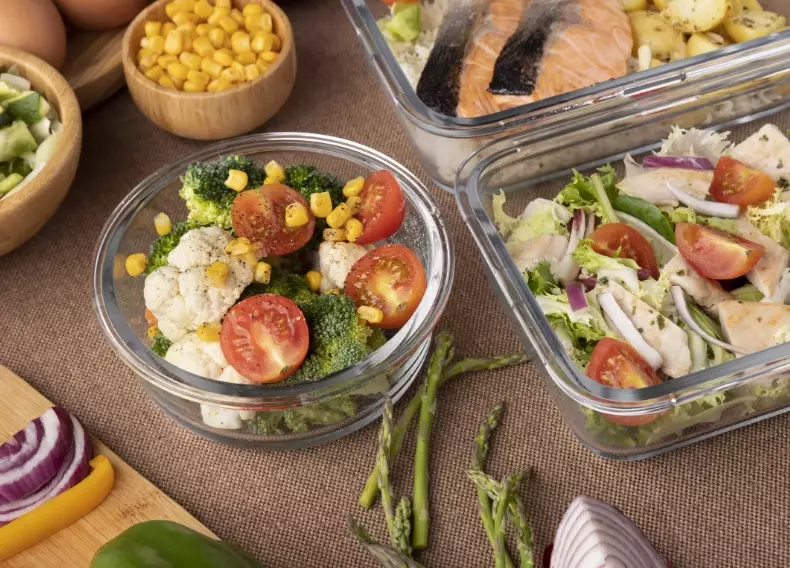
"I have zero time." Then your plan must be microscopic. Start with one meal. Just dinner. Plan and prep for three dinners next week. That's it. Success with three meals builds the confidence for five. Use more frozen and pre-cut vegetables without guilt. Your time is valuable.
"It's too expensive." The waste is what's expensive. A plan reduces waste. Build meals around affordable proteins like eggs, lentils, canned tuna, and chicken thighs. Buy frozen fruits and vegetables—they're nutrient-dense and cheaper. A meal plan focused on whole foods is almost always cheaper than last-minute takeout.
"I get bored." This is why the theme template works. "Taco Tuesday" can mean fish tacos, black bean tacos, or taco salads. The structure is the same, the flavors change. Have a "try one new recipe a month" rule instead of forcing novelty every week.
"I live alone; recipes are for families." This is my personal battle. I cook recipes as written, then immediately portion and freeze half. My freezer is a library of single-serving meals. Or, I choose recipes with ingredients I can use multiple ways—a rotisserie chicken becomes dinner, then chicken salad, then soup.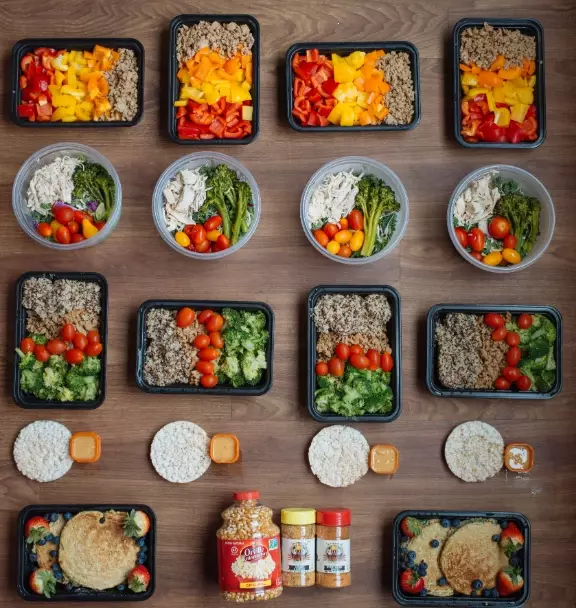
Your Top Meal Planning Questions, Answered
The real goal of meal planning for women isn't a picture-perfect fridge. It's having one less thing to worry about on a busy Tuesday. It's feeling energized because you fueled your body well. It's the quiet confidence that comes from taking care of yourself in a practical, sustainable way.
Start small. Be kind to yourself when the plan goes sideways (it will). Adjust. This is a skill you build, not a test you pass or fail. Your health is worth the experiment.
POST A COMMENT