You get your blood work back, and your LDL cholesterol is higher than you'd like. Your doctor mentions diet, but the advice feels vague. "Eat healthier." What does that even mean? The truth is, a few specific foods are major drivers of high cholesterol, and simply knowing what they are can change everything. I've spent years looking at the research and talking to patients, and the same culprits keep showing up. Let's cut through the noise and talk about the six worst foods for cholesterol, why they're problematic, and—most importantly—the simple, tasty swaps you can make starting today.
What You'll Find in This Guide
Before we dive in, a quick note on why this matters. LDL cholesterol (the "bad" kind) can build up in your artery walls, forming plaques. This narrows your arteries and increases your risk of heart attack and stroke. The American Heart Association consistently points to saturated and trans fats in our diet as key modifiable drivers of high LDL. The foods on this list are packed with these fats.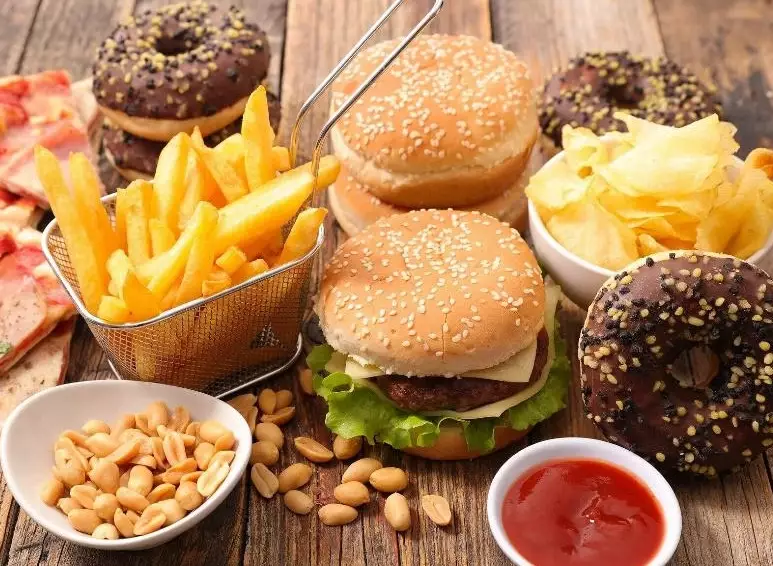
The Big Six: A Quick Overview
Here's a snapshot of the six worst offenders for your cholesterol levels. We'll unpack each one in detail right after.
| Food Category | Primary Cholesterol Risk | Common Examples | Healthier Swap Idea |
|---|---|---|---|
| Red & Processed Meats | High in saturated fat | Bacon, sausage, salami, ribeye steak, ground beef (80/20) | Lean poultry, fish, legumes, tofu |
| Deep-Fried Foods | Trans fats & oxidized cholesterol | French fries, fried chicken, doughnuts, onion rings | Air-fried, baked, or grilled versions |
| Full-Fat Dairy | Saturated fat | Butter, whole milk, cream, full-fat cheese, ice cream | Low-fat or skim milk, Greek yogurt, part-skim cheese |
| Packaged Pastries & Sweets | Trans fats & added sugars | Cookies, cakes, muffins, pie crusts, frostings | Homemade treats with unsaturated oils, fruit-based desserts |
| Certain Tropical Oils | High in saturated fat | Palm oil, coconut oil (in large amounts), palm kernel oil | Olive oil, avocado oil, canola oil |
| Organ Meats | Very high in dietary cholesterol & saturated fat | Liver (beef, chicken), kidney, brain, sweetbreads | Lean muscle meats, plant-based proteins |
1. Red and Processed Meats: The Double Whammy
This is probably the biggest lever you can pull. A juicy steak or a few slices of bacon might not seem like a big deal, but the cumulative effect is significant.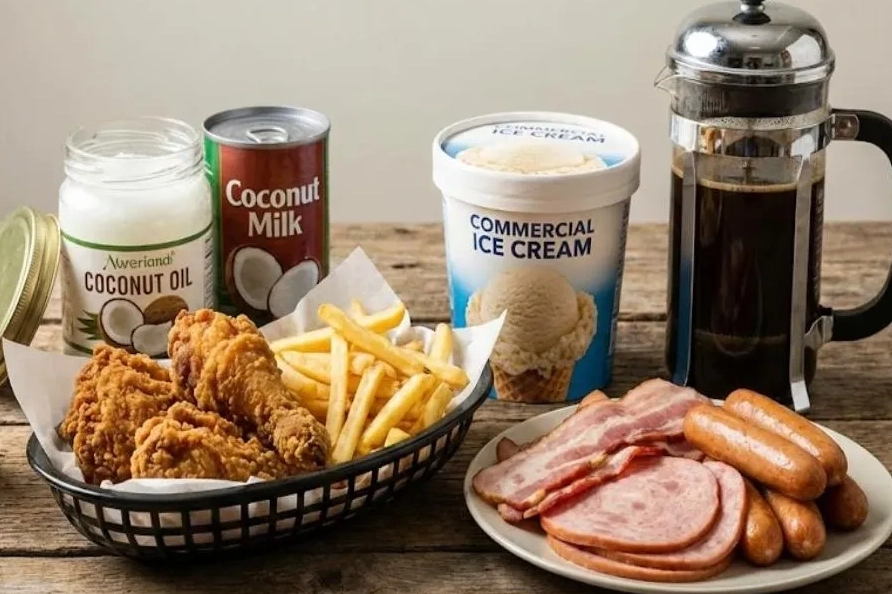
Red meat—like beef, lamb, and pork—is high in saturated fat. That fat tells your liver to produce more LDL cholesterol. Processed meats (bacon, sausage, hot dogs, deli meats) are worse. They're not only high in saturated fat but often loaded with sodium and preservatives like nitrates. Studies, including those cited by the Harvard T.H. Chan School of Public Health, have linked high consumption of processed meats to increased heart disease risk.
Think about a typical breakfast: sausage links and scrambled eggs cooked in butter. You've just hit two items on this list before 9 AM.
What to Do Instead
You don't have to go full vegetarian. Start by making red meat a "sometimes" food, not an everyday one. Choose lean cuts like sirloin or tenderloin when you do have it. Swap ground beef for ground turkey or chicken in recipes like chili or pasta sauce. For lunches, instead of salami or bologna, try roasted turkey breast or chickpea salad.
2. Deep-Fried Foods: A Toxic Transformation
Frying food does something nasty to otherwise decent ingredients. When oils are heated to high temperatures repeatedly—like in a fast-food fryer—they can form trans fats. Trans fats are a disaster for your cholesterol: they raise LDL and lower HDL (the "good" cholesterol). The FDA has even banned artificial trans fats, but the process of deep-frying can still create them.
Worse, the cholesterol in the food being fried (like in fried chicken or cheese sticks) can become oxidized. Oxidized cholesterol is more readily taken up by artery walls, making it particularly harmful.
It's not just fast food. Many restaurants, diners, and even frozen food aisle items are guilty of this.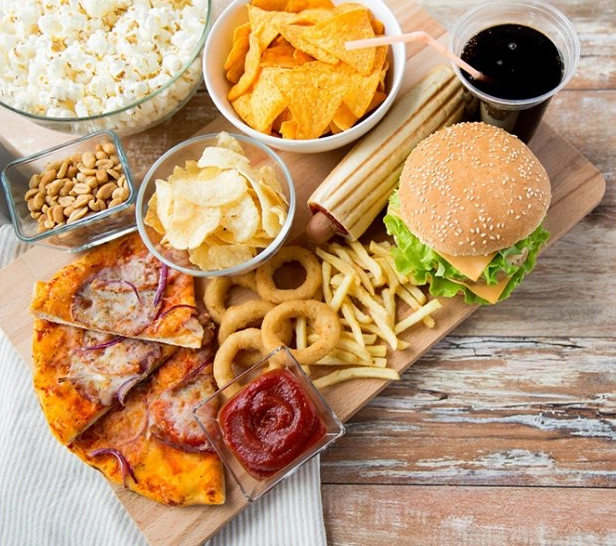
What to Do Instead
An air fryer is a game-changer. You get that crispy texture with a fraction of the oil. Oven-baking works too. Craving fries? Toss potato wedges with a tablespoon of olive oil and bake them. Want chicken tenders? Use panko breadcrumbs and bake them. The taste satisfies the craving without the cholesterol hit.
3. Full-Fat Dairy Products: The Creamy Culprit
Butter, whole milk, cream, and full-fat cheeses are rich in saturated fat. A single tablespoon of butter has about 7 grams of saturated fat—that's over a third of the daily limit recommended by the American Heart Association for an average adult.
The tricky part here is that full-fat dairy is often marketed as "natural" or "wholesome," which can be confusing. While it does contain beneficial nutrients like calcium and vitamin D, the saturated fat load for someone with cholesterol concerns is a real problem.
What to Do Instead
Switching to low-fat (1%) or skim milk is an easy win. Try plain Greek yogurt (low-fat or non-fat) instead of sour cream. When it comes to cheese, you can often use a stronger-flavored cheese like sharp cheddar or Parmesan in smaller amounts to get the taste you want. Look for part-skim mozzarella or ricotta for cooking.
4. Packaged Pastries, Cookies, and Sweets
This category is a stealth attack. It's not just about the sugar (though that has its own issues). To make these items shelf-stable and give them a flaky, tender texture, manufacturers often use partially hydrogenated oils—a source of trans fats—or palm oil, which is high in saturated fat.
That store-bought pie crust, cookie dough, or frosting tub is likely a concentrated source of unhealthy fats. Even some "bakery fresh" items use these fats for cost and consistency.
What to Do Instead
Bake at home when you can. You control the ingredients. Use unsaturated oils like canola or olive oil in muffins or quick breads. Applesauce or mashed banana can replace some of the fat in recipes. For a quick sweet fix, have dark chocolate (70% cocoa or higher) or fruit with a dollop of whipped cream (made from low-fat cream).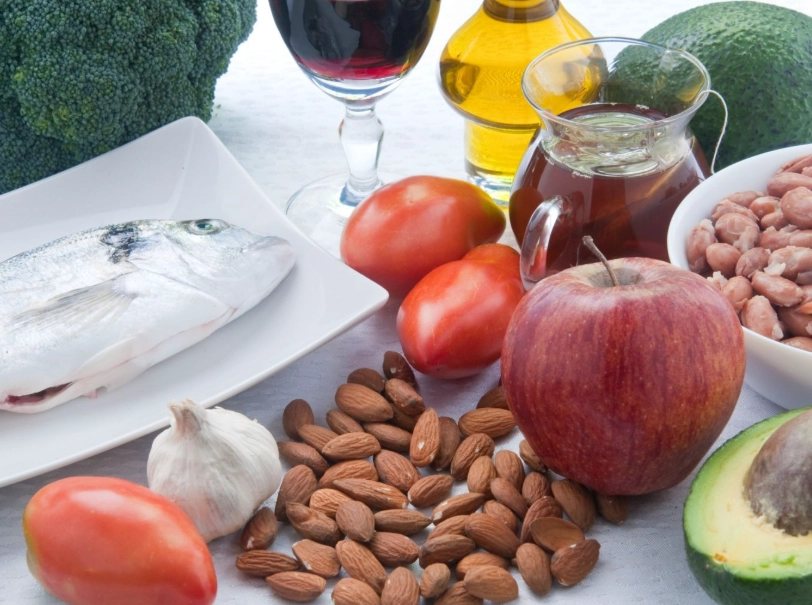
5. Certain Tropical Oils: The Health Halo Trap
This one trips up a lot of people. Coconut oil, in particular, has been marketed as a superfood. Here's the non-consensus view you won't hear from influencers: coconut oil is about 82% saturated fat, which is higher than butter (63%). For most people, consistently using it for cooking will raise LDL cholesterol.
Palm oil is similar—it's in countless packaged foods from crackers to peanut butter to instant noodles because it's cheap and stable. Check labels.
What to Do Instead
For everyday cooking, stick with oils high in unsaturated fats. Extra virgin olive oil is the gold standard for dressings and low-to-medium heat cooking. Avocado oil has a high smoke point for searing. Canola oil is a neutral-tasting, heart-healthy option. Save coconut oil for occasional, specific uses where you want the flavor.
6. Organ Meats (Like Liver): Nutrient-Dense but Cholesterol-Dense
Liver is packed with iron and vitamin A, and in some cultures, it's a dietary staple. However, it is extremely high in both dietary cholesterol and saturated fat. A single 3-ounce serving of beef liver can contain over 300 mg of cholesterol (for reference, previous dietary guidelines suggested limiting to 300 mg per day).
If you have been diagnosed with high cholesterol, it's wise to limit or avoid organ meats like liver, kidney, and brain.
What to Do Instead
You can get the same nutrients elsewhere. For iron, choose lean red meat in moderation, lentils, spinach, or fortified cereals. For vitamin A, go for sweet potatoes, carrots, and leafy greens.
A Common Mistake Even Health-Conscious People Make
People get hyper-focused on avoiding dietary cholesterol (the cholesterol found in food) and miss the bigger picture: saturated and trans fats have a much greater impact on your blood cholesterol levels. That's why shrimp (high in dietary cholesterol but low in saturated fat) is okay for most people in moderation, while a palm oil-laden cookie is a bigger problem. The latest Dietary Guidelines for Americans emphasize limiting saturated and trans fats, not dietary cholesterol. Don't waste your energy worrying about eggs; worry about the sausage and cheese next to them.
Your Cholesterol Questions, Answered
The path to better cholesterol isn't about a restrictive, joyless diet. It's about knowing where the real problems lie and making smart swaps. You don't have to give up flavor or satisfaction. Start by picking one or two items from this list that you eat regularly and find a better alternative. Small, consistent changes add up to big improvements in your cholesterol numbers and, more importantly, your long-term heart health.

Leave a comment