Your Quick Path to Clear Skin
Let's cut to the chase. You want to know how to clear your face of acne, and you're tired of generic advice that doesn't work. I've been there. The frustration of trying product after product, the hope that fades with each new breakout. Clearing acne isn't about magic potions; it's about understanding a biological process and intervening with precision and patience.
This guide won't promise overnight results. Instead, it lays out a dermatologist-informed, realistic framework that addresses the root causes. We'll cover the science-backed skincare routine, the lifestyle tweaks that actually matter, and how to pick products that won't ruin your skin barrier.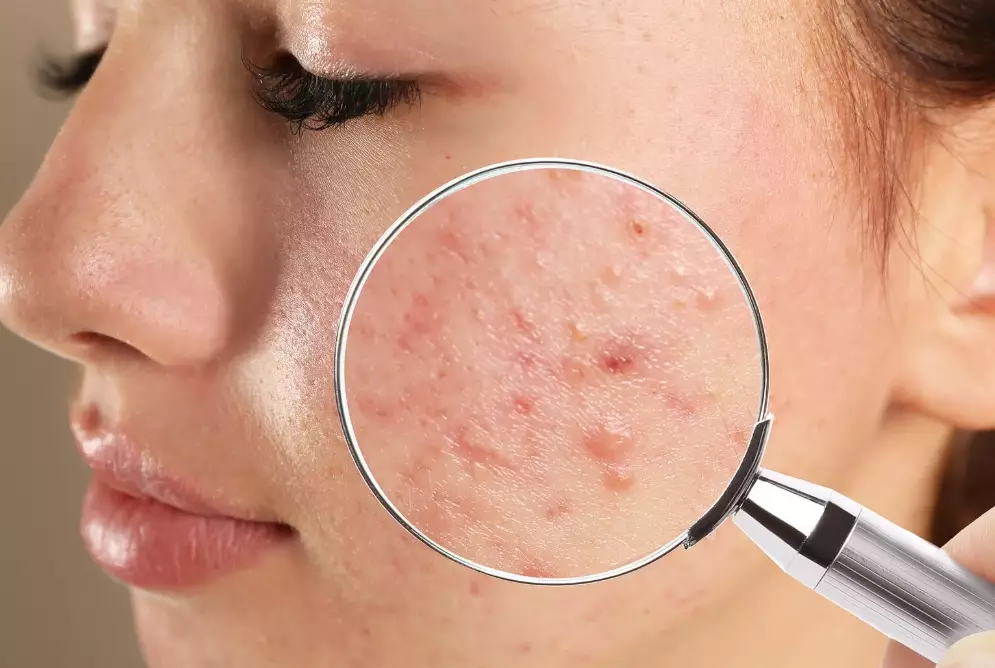
What Exactly Causes Acne?
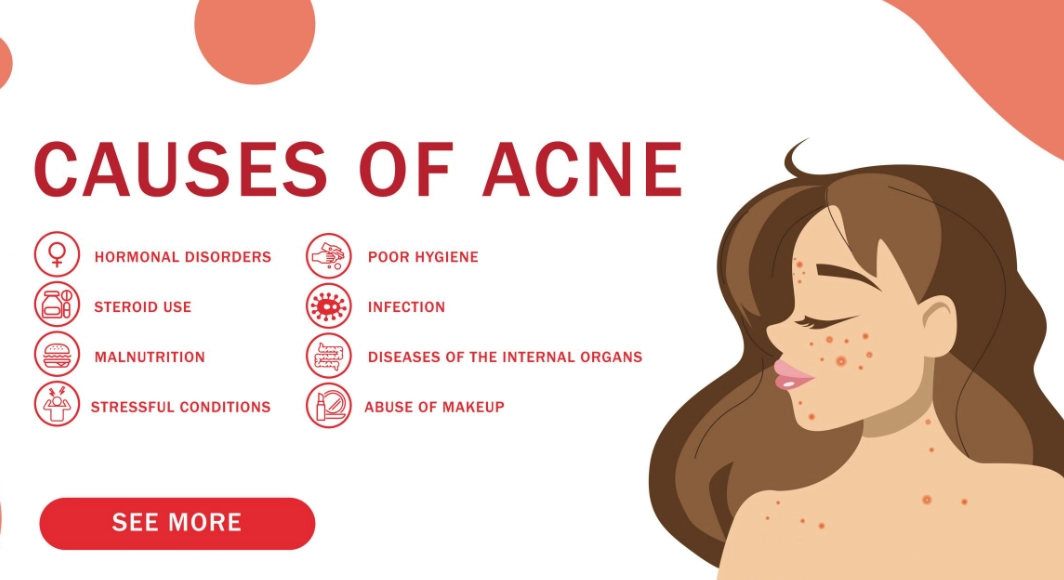
Most people think acne is just dirty skin. That's the first myth we need to bust. Acne is a complex inflammatory condition. Four main factors collide inside your pores:
- Excess Oil (Sebum) Production: Often driven by hormones, especially androgens.
- Clogged Pores (Hyperkeratinization): Skin cells lining the pore shed and stick together, creating a plug.
- Bacteria (Cutibacterium acnes): This bacteria lives on everyone's skin but thrives in the oily, clogged environment, causing inflammation.
- Inflammation: Your body's immune response to the bacteria and clogging, leading to red, painful bumps.
Your goal is to disrupt this cycle at every possible point. A one-ingredient wonder rarely does that.
How to Build an Effective Acne-Fighting Skincare Routine
Forget the 10-step routines. For acne-prone skin, simplicity and active ingredients are key. Here’s a foundational, two-times-a-day routine.
Morning Routine
1. Gentle Cleanser: Use a water-based, non-drying cleanser. You don't need to strip your skin in the AM. A quick rinse to remove overnight sweat is enough.
2. Treatment (Optional but Key): This is where you apply your leave-on acne treatment. If you're using a product with benzoyl peroxide or a prescription retinoid at night, you might skip this in the morning to avoid irritation. A niacinamide serum is a great, gentle morning option.
3. Moisturizer: Non-negotiable. Even oily skin needs hydration. A lightweight, oil-free, non-comedogenic moisturizer helps maintain your skin barrier, which is your defense against irritation and more breakouts.
4. Sunscreen: The most crucial anti-acne step nobody talks about. Many acne treatments make you sun-sensitive. Sun damage causes inflammation and post-inflammatory hyperpigmentation (those dark marks left after a pimple heals). Use a mineral (zinc oxide/titanium dioxide) or lightweight chemical SPF 30+ every single day.
Night Routine
1. Double Cleanse (if wearing makeup/sunscreen): Start with an oil-based cleanser or micellar water to dissolve sunscreen and makeup, then follow with your gentle water-based cleanser.
2. Acne Treatment / Active Ingredient: This is your workhorse step. Apply your prescription retinoid (like tretinoin), adapalene, or an over-the-counter treatment like salicylic acid or benzoyl peroxide. Let it dry for a few minutes.
3. Moisturizer: Lock in hydration and help counteract any dryness from your treatment.
Lifestyle Factors You Can't Ignore
Skincare is only half the battle. What you do (or don't do) daily plays a massive role.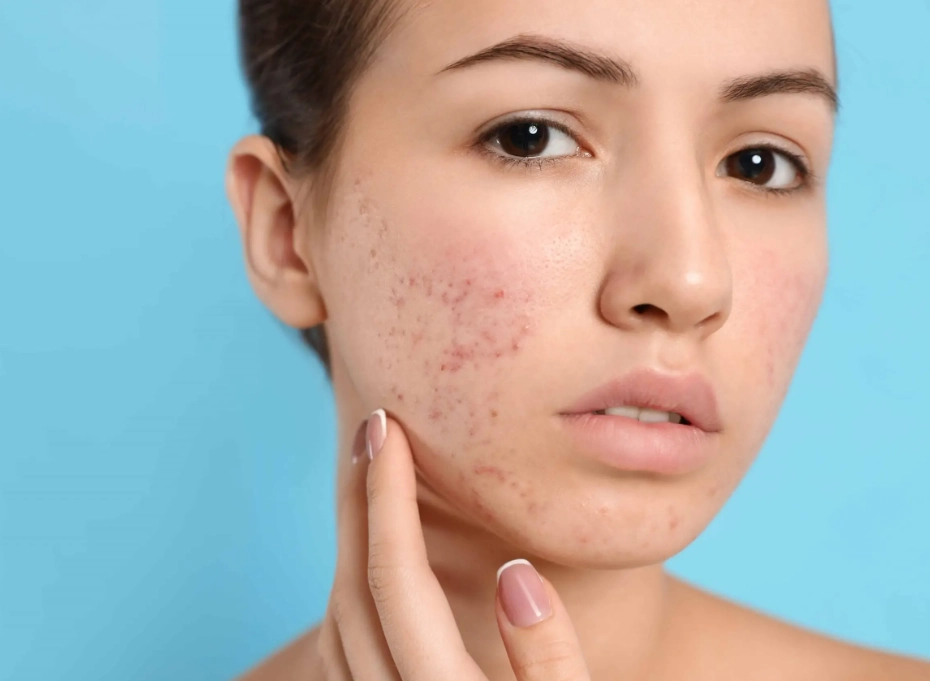
Diet and Acne: The Real Connection
The science is strongest on two fronts: high-glycemic foods and dairy. Foods that spike your blood sugar (white bread, sugary drinks, pastries) can increase insulin levels, which may boost oil production and inflammation. Some studies, like those referenced by the American Academy of Dermatology, suggest a link between skim milk and acne for some people. It's not a universal trigger, but if you're struggling, try cutting out dairy for 4-6 weeks and see if you notice a difference.
Stress Management
Stress increases cortisol, which can ramp up oil production. It's not just “in your head.” Find what dulls the edge for you—a 10-minute walk, meditation apps, even just setting boundaries on work email after 7 PM.
Hands Off!
Picking and popping spreads bacteria, pushes debris deeper, and dramatically increases inflammation and scarring. It turns a minor pimple that would heal in 3 days into a red, angry lesion that lasts for weeks and leaves a mark.
Choosing the Right Acne Products
The ingredient aisle is overwhelming. Here’s what each common ingredient does, so you can match it to your acne type.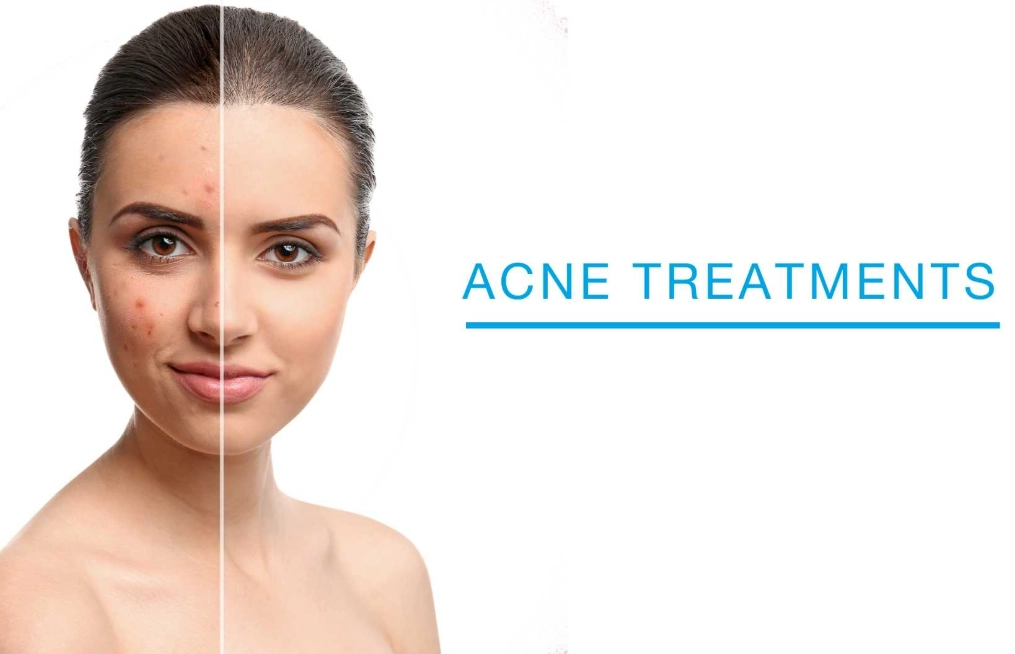
| Ingredient | Best For | How It Works | Important Note |
|---|---|---|---|
| Salicylic Acid (BHA) | Blackheads, whiteheads, clogged pores. | Exfoliates inside the pore to dissolve the plug of oil and dead skin. | Start with 0.5%-2% concentration. Use in cleanser or leave-on treatment. |
| Benzoyl Peroxide | Inflammatory red pimples, pustules. | Kills acne-causing bacteria and helps clear pores. Anti-inflammatory. | Can bleach fabrics. Start with 2.5%—it's as effective as 10% but less irritating. |
| Retinoids (Adapalene, Tretinoin) | Almost all forms of acne, anti-aging, texture. | Gold standard. Normalizes skin cell turnover, prevents clogging, reduces inflammation. | Prescription strength is most effective. Causes initial “purge” (temporary worsening). |
| Niacinamide | All skin types, especially oily and inflamed. | Reduces oil production, calms redness, strengthens skin barrier. | Gentle enough for daily use, pairs well with other actives. |
| Azelaic Acid | Inflammatory acne, rosacea, post-acne marks. | Anti-inflammatory, antibacterial, and helps fade dark spots. | Great for sensitive skin. Often prescription (15%-20%) but available OTC (10%). |
Common Acne-Fighting Mistakes and How to Avoid Them
These are the subtle errors that keep people stuck in a breakout cycle.
Over-cleansing and Over-exfoliating: Scrubbing your skin raw or using harsh physical scrubs damages your moisture barrier. A compromised barrier leads to more inflammation, more sensitivity, and often—more breakouts. Your skin is not an enemy to be conquered.
Not Giving Products Enough Time: Skin cell turnover takes about 28 days. You need to use a product consistently for at least 6-8 weeks to judge its true efficacy. Switching routines every week is a recipe for failure and frustration.
Skipping Moisturizer Because You're Oily: Dehydrated skin can overcompensate by producing more oil. A light moisturizer signals to your skin that it's hydrated and can calm down oil production.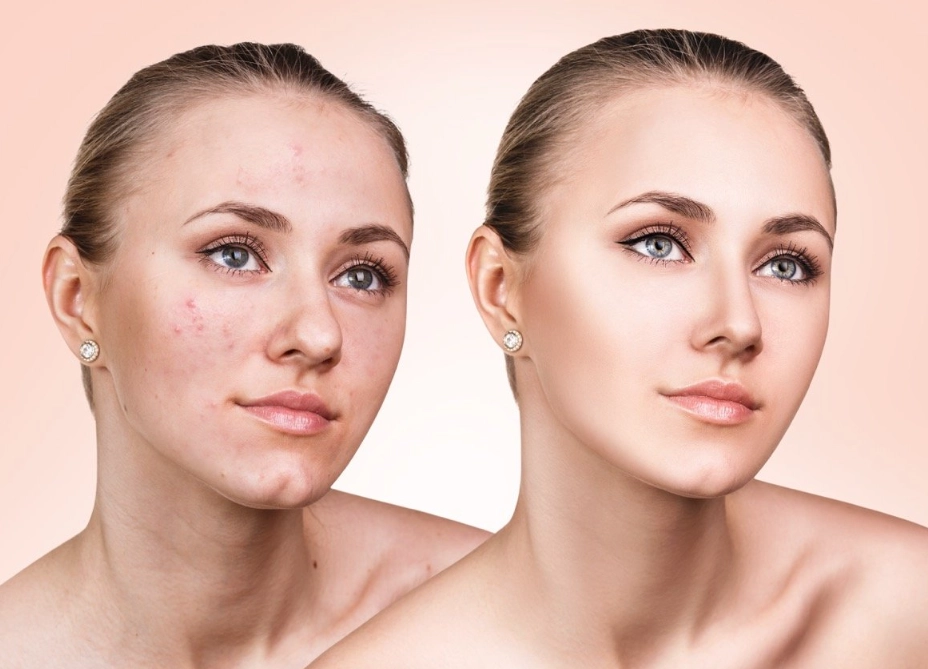
Frequently Asked Questions (FAQ)
This is a tough combo. The key is to prioritize barrier repair. Choose one gentle active ingredient at a low concentration. Azelaic acid or low-dose niacinamide are excellent starting points. Avoid benzoyl peroxide and strong acids initially. Always buffer your active—apply moisturizer first, wait for it to dry, then apply a pea-sized amount of treatment. A minimalist routine with a gentle cleanser, a reparative moisturizer, and one active is your best bet.
Hormonal acne often has a pattern. It typically flares around the chin, jawline, and lower cheeks. The breakouts are often deep, cystic, and painful, and they coincide with your menstrual cycle. If over-the-counter topicals don't make a dent in these deep bumps, it's a strong sign hormones are the main driver. A dermatologist can discuss options like spironolactone or specific birth control pills that target hormonal pathways.
 What's the deal with "purging" vs. a "bad reaction"?
This confusion causes people to quit effective products. Purging happens with ingredients that speed up cell turnover (retinoids, AHAs/BHAs). It brings existing, subsurface clogs to the surface faster, so you get small whiteheads or blackheads in areas where you usually break out. It should peak and subside within 4-6 weeks. A bad reaction (irritation or allergy) is different: redness, burning, itching, tiny rash-like bumps, or breakouts in areas you never get them. This means the product or its formulation doesn't agree with your skin, and you should stop using it.
Tea tree oil has some evidence for mild antibacterial properties, but it's wildly inconsistent and a common skin irritant. If you want to try it, use only a highly diluted (5% or less) product from a reputable brand, not straight from the bottle. Apple cider vinegar is a hard no. Its acidity is uncontrolled and can cause chemical burns, severe irritation, and disrupt your skin's pH. Modern, stabilized active ingredients are simply more reliable and studied.
These are called post-inflammatory hyperpigmentation (PIH). Prevention is the first step: wear sunscreen daily to prevent the mark from darkening. To treat existing marks, look for ingredients that inhibit melanin production: vitamin C (ascorbic acid) in the morning, azelaic acid, niacinamide, or prescription hydroquinone. Retinoids also help by accelerating skin renewal. These marks fade with time and consistent treatment, but it can take several months.
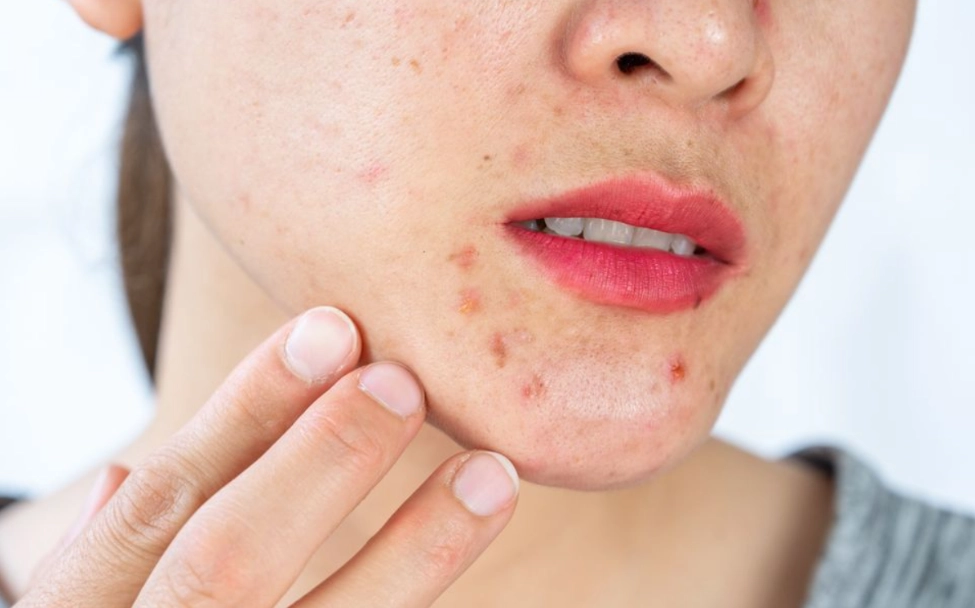 The path to clear skin isn't linear. You'll have good weeks and bad weeks. The goal is progress, not perfection. Stick with a simple, effective routine based on your acne type. Be patient with your skin. And remember, seeking help from a board-certified dermatologist is a sign of smart self-care, not failure.






Leave a comment