Understanding Migraines in Women: Triggers, Treatments, and Relief
Quick Guide
- Why Us? The Hormonal Connection Explained
- Beyond Hormones: The Whole Picture of Triggers
- What Does a Migraine Actually Feel Like? (It's Not Just Pain)
- Getting the Right Diagnosis: Don't Settle for "Just Headaches"
- Treatment Strategies: From Stopping an Attack to Preventing the Next One
- The Lifestyle Foundation: What You Can Do Every Day
- Navigating Pregnancy, Breastfeeding, and Menopause
- Answers to Common Questions About Migraines in Women
- Putting It All Together: A Path Forward
Let's be honest, if you're a woman who gets migraines, you've probably heard it all before. "It's just a headache, take an aspirin." Or my personal favorite, "Maybe you're just stressed." As if managing a job, family, and life isn't stressful enough, now we have to deal with brain-splitting pain that completely derails our day. The truth is, migraines in women are a distinct and complex medical condition, not a character flaw or an overreaction.
I remember talking to a friend last month—a successful lawyer and mother of two—who had to cancel an important meeting because a migraine hit her like a freight train. She described the aura, the nausea, the sensitivity to light and sound. She wasn't "stressed out"; her brain was literally in a hyper-excitable state, thanks in large part to her hormones. That conversation got me digging deeper into why this happens so disproportionately to us.
The numbers don't lie. According to the American Migraine Foundation, women are about three times more likely than men to experience migraines. That's a huge disparity. We're talking about nearly 1 in 4 women at some point in their lives. So why is this our cross to bear? The answer isn't simple, but it's fascinating, frustrating, and crucial to understand if you want to take back control.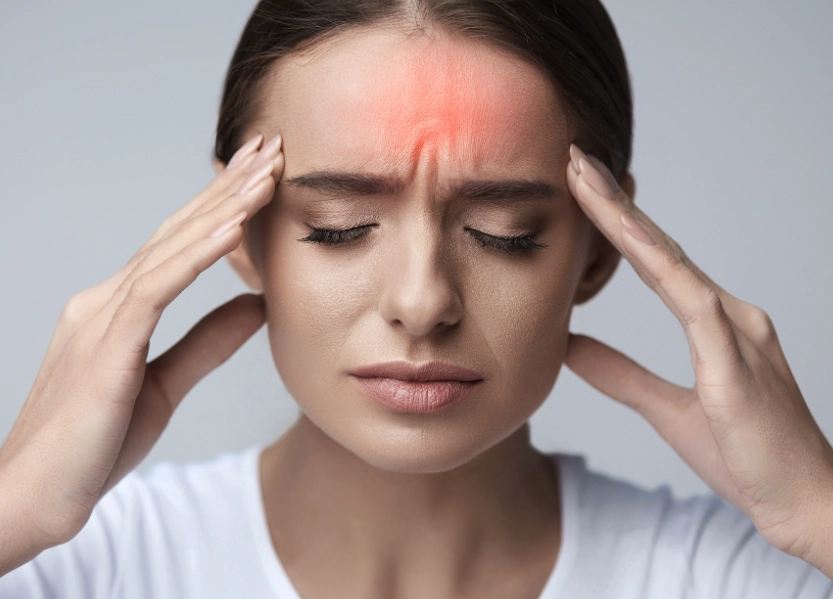
The Core Issue: Migraines in women aren't just more frequent; they're often more severe, last longer, and are more disabling than those in men. The hormonal rollercoaster we ride from puberty to menopause plays the lead role in this drama, but it's not the only actor on stage.
Why Us? The Hormonal Connection Explained
It all boils down to estrogen. This primary female sex hormone influences the brain's pain pathways and the activity of neurotransmitters like serotonin. When estrogen levels fluctuate—which they do constantly throughout our menstrual cycle, during pregnancy, and around menopause—it can trigger a cascade of events that leads to a migraine attack.
Think of your brain during a migraine like an overly sensitive alarm system. For women, estrogen fluctuations are like someone constantly fiddling with the alarm's sensitivity dial. Sometimes it's set just right. Other times, it's so sensitive that normal stimuli—a bright light, a strong smell, a change in weather—set off a full-blown, screaming siren of pain.
The Menstrual Migraine: A Monthly Uninvited Guest
For many women, their migraine pattern is locked in step with their period. These are often called "menstrual migraines," and they typically strike in the two days before bleeding starts or the first three days of your period. This isn't a coincidence. It's directly linked to the sudden drop in estrogen levels that triggers menstruation.
These menstrual-related migraines in women can be particularly brutal. They're often more resistant to typical over-the-counter painkillers and come with a nasty bouquet of symptoms. I've heard descriptions ranging from "my skull is in a vise" to "it feels like my eye is being pushed out of its socket." Not exactly a minor inconvenience.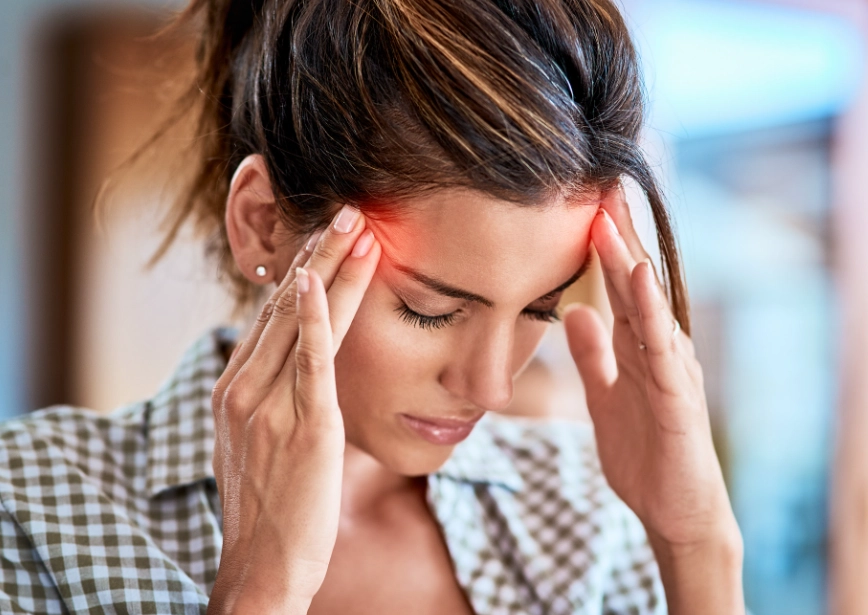
Beyond Hormones: The Whole Picture of Triggers
While hormones are the star player, they team up with a whole squad of other triggers. It's rarely just one thing. For most women, it's a combination—a "perfect storm" scenario. Keeping a detailed headache diary is the single best way to identify your personal trigger cocktail. Don't just note when the pain starts; write down what you ate, how you slept, your stress level, and where you are in your cycle.
Here's a breakdown of common culprits, beyond the hormonal shifts we've already covered:
| Trigger Category | Specific Examples | Why It Matters for Women |
|---|---|---|
| Dietary | Aged cheeses, processed meats (nitrates), artificial sweeteners (aspartame), MSG, alcohol (especially red wine), caffeine (too much or withdrawal). | Women's biochemistry can process these substances differently. Hormonal phases can also affect sensitivity. |
| Environmental | Bright or flickering lights, loud noises, strong smells (perfume, smoke), changes in weather or barometric pressure. | Sensory sensitivity is a hallmark of the pre-migraine and migraine phase. Many women report this is heightened. |
| Lifestyle & Sleep | Poor sleep (too much or too little), irregular meals/skipping meals, physical overexertion, dehydration. | Women often juggle multiple roles, leading to erratic schedules. Dehydration is a massive and underrated trigger. |
| Stress & Emotional | Acute stress, anxiety, let-down after stress ("weekend migraines"), depression. | The link between the brain's stress response and pain centers is strong. The "caregiver burnout" effect is real. |
See what I mean? It's a minefield. The goal isn't to live in a bubble and avoid all of life's pleasures. It's about awareness. Knowing that if you have a glass of red wine on a day you're sleep-deprived and premenstrual, you're basically rolling the dice with loaded ones.
What Does a Migraine Actually Feel Like? (It's Not Just Pain)
If you've never had one, it's hard to grasp. It's not a bad headache. It's a neurological event with distinct phases. Understanding these phases can help you intervene earlier.
The Four Phases of a Migraine Attack
- Prodrome: The "warning" phase, hours or even days before the pain hits. You might feel tired, yawn a lot, crave specific foods, get moody, or have a stiff neck. Your body is sending signals.
- Aura: Happens for about 25% of people with migraines. This is temporary neurological weirdness—seeing flashing lights, zigzag lines, having blind spots, tingling in your face or hands, or even trouble speaking. It usually lasts 20-60 minutes.
- Headache: The main event. Throbbing, usually one-sided pain that gets worse with movement. Nausea, vomiting, and extreme sensitivity to light and sound are hallmarks. This can last 4 to 72 hours.
- Postdrome: The "migraine hangover." You feel drained, washed out, foggy, and just not yourself. It can take a day or more to fully recover.
Missing work, missing your kid's school play, canceling plans—the impact of migraines in women goes far beyond physical pain. It chips away at your reliability, your social life, and your sense of self. The guilt is a real secondary symptom.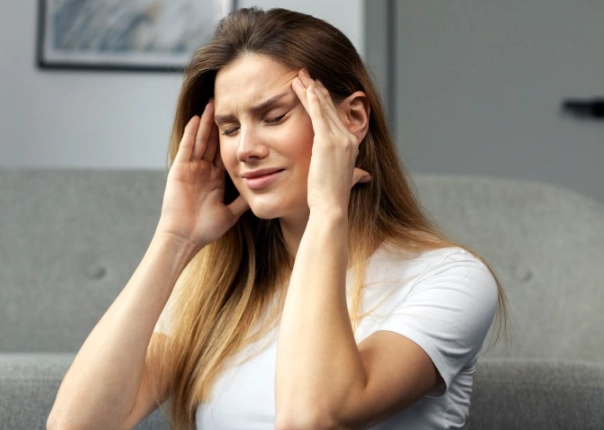
Getting the Right Diagnosis: Don't Settle for "Just Headaches"
This is where things often go wrong. Too many women are dismissed by doctors who don't specialize in headache disorders. You need a proper diagnosis to get proper treatment. A neurologist or a headache specialist is your best bet.
The diagnosis is primarily based on your history. There's no single blood test or scan for migraine. Your doctor will ask about the characteristics of your pain, associated symptoms, frequency, duration, and triggers. They might order an MRI or other tests only to rule out other, scarier conditions.
Be prepared. Go to your appointment with your headache diary.
List your symptoms in detail. Note how they affect your daily activities. Use the word "disabling" if it's accurate. Advocate for yourself. If a doctor minimizes your pain, find another one. The National Headache Foundation has resources to find specialists.
Treatment Strategies: From Stopping an Attack to Preventing the Next One
Treatment for migraines in women is a two-pronged approach: acute (abortive) treatment to stop a migraine in its tracks, and preventive (prophylactic) treatment to reduce how often they happen.
Acute Treatments: Your Rescue Plan
These are taken at the first sign of a migraine. The key is early intervention. Don't try to "tough it out."
- Over-the-Counter (OTC): NSAIDs like ibuprofen or naproxen can work for mild attacks. Excedrin Migraine (a combo of aspirin, acetaminophen, and caffeine) is popular, but beware of overuse leading to medication-overuse headaches.
- Prescription Triptans: These are migraine-specific drugs (like sumatriptan, rizatriptan) that constrict blood vessels and block pain pathways in the brain. They're a game-changer for many but aren't safe for everyone (especially those with cardiovascular risks).
- Newer Drugs - Gepants and Ditans: Medications like ubrogepant (Ubrelvy) and lasmiditan (Reyvow) offer options for people who can't take triptans. They work on different receptors and don't constrict blood vessels.
- Anti-nausea meds: Often prescribed alongside pain relievers.
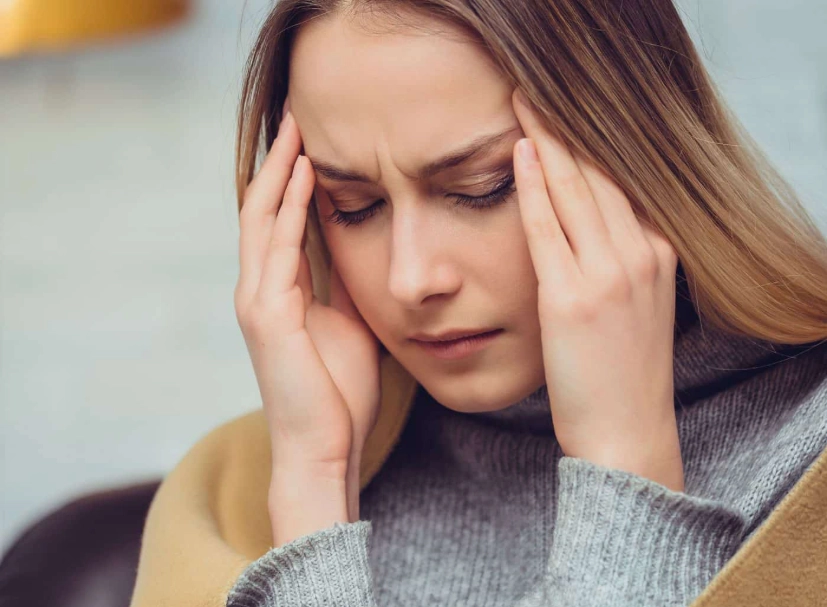
Preventive Treatments: Changing the Game
If you have frequent migraines (more than 4 headache days a month), prevention is the goal. This is where you work with your doctor on a long-term plan.
- Oral Medications: Many drugs developed for other conditions are effective. These include certain blood pressure pills (beta-blockers like propranolol), antidepressants (amitriptyline), anti-seizure drugs (topiramate, valproate). Finding the right one can involve some trial and error.
- CGRP Monoclonal Antibodies: This is the biggest breakthrough in decades. Drugs like erenumab (Aimovig), fremanezumab (Ajovy), and galcanezumab (Emgality) are monthly or quarterly injections that block a key protein (CGRP) involved in migraine. They can be incredibly effective for chronic migraine sufferers with fewer side effects than older drugs.
- OnabotulinumtoxinA (Botox): Yes, Botox. Approved specifically for chronic migraine (15+ headache days a month), it involves injections around the head and neck every 12 weeks. It doesn't work for everyone, but for some, it's life-altering.
- Hormonal Strategies: For menstrual migraines, sometimes using continuous birth control (skipping the placebo week) to prevent the monthly estrogen drop can help. This is a conversation for your neurologist and gynecologist to have together.
The Lifestyle Foundation: What You Can Do Every Day
Medication is a tool, not a magic wand. The foundation of managing migraines in women is built on daily habits. It sounds boring, but it's true. Consistency is your friend; chaos is your enemy.
Your non-negotiable big three:
- Sleep Rhythm: Go to bed and wake up at roughly the same time every day, even on weekends. Your brain craves this predictability.
- Eat Regularly: Don't skip meals. Low blood sugar is a classic trigger. Keep healthy snacks handy.
- Hydrate, Hydrate, Hydrate: Aim for water throughout the day. Dehydration thickens your blood and can trigger an attack.
Then, layer on stress management. This doesn't mean yoga and meditation are cure-alls (though they help some). It means finding what decompresses you—a walk, reading fiction, a hobby that absorbs you. It also means learning to say no and setting boundaries. Your health depends on it.
Moderate, regular exercise is also preventive. The trick is to start gently and avoid sudden, intense bursts if that's a trigger for you. Think brisk walking, swimming, cycling.
Navigating Pregnancy, Breastfeeding, and Menopause
These life stages bring unique challenges for women with migraines.
Pregnancy: It's a mixed bag. Many women (especially those with menstrual migraines) find their migraines improve dramatically during pregnancy due to stable, high estrogen levels. For others, they stay the same or worsen. The bigger issue is treatment safety. Many migraine medications are not safe during pregnancy. Acetaminophen is generally considered the safest pain option, but you MUST work with your OB/GYN and neurologist to create a management plan. Non-drug therapies like cold packs, rest, and massage become front-line.
Menopause: The perimenopausal transition—when hormones are erratic—can be a nightmare for migraine frequency. Once menopause is complete and estrogen levels stabilize at a low level, many women finally see a significant reduction in migraines. Hormone Replacement Therapy (HRT) can be tricky; some forms can worsen migraines, while others (like transdermal estrogen patches) that provide a steady dose may help. It's complex and highly individual.
Answers to Common Questions About Migraines in Women
Putting It All Together: A Path Forward
Living with migraines in women is a journey, not a destination. There will be good months and bad months. The goal is not perfection, but progress. Better understanding. Fewer attacks. Faster recovery. More control.
Start with the diary. Build the lifestyle foundation. Find a doctor who listens. Be patient with the trial and error of finding the right treatment. And give yourself grace on the days the migraine wins. You're dealing with a legitimate, complex neurological disease influenced by the very biology of being female.
The research is finally catching up. More is understood now about the mechanisms of migraines in women than ever before, and new treatments are emerging. You don't have to just suffer through it. Your pain is real, your experience is valid, and effective help is out there. It's time to start the conversation and build your personalized plan for a life with fewer headaches and more living.
POST A COMMENT