Let's cut to the chase. You want strong bones and flexible joints because you want to move without pain, pick up your grandkids without a second thought, and avoid that stooped posture you see in some older adults. It's not just about avoiding a fracture; it's about maintaining your independence and quality of life for decades. The good news? Building and preserving skeletal strength is largely under your control, but it requires a strategy that goes way beyond just drinking milk. I've worked with clients for over a decade, and the biggest mistake I see is people focusing on just one piece of the puzzle, like loading up on calcium supplements while sitting all day. It doesn't work. Here's what does.
Quick Navigation: What's Inside This Guide
Nutrition: The Building Blocks of Strong Bones
Think of your bones as a bank account. You make deposits (through nutrition) and withdrawals (through daily living and aging). Your goal is to maximize deposits early and minimize unnecessary withdrawals later. Calcium is the headline mineral, but it's useless without its support crew.
The Core Nutrient Team
Calcium: Yes, you need it. But more isn't always better. The sweet spot is 1000-1200 mg daily for most adults. Get it from food first: a cup of cooked kale has about 100mg, a cup of plain yogurt has 300-400mg, and a 3-ounce can of sardines with bones has a whopping 325mg. The problem with mega-dosing supplements? It can increase the risk of kidney stones and might even interfere with heart health in some people.
Vitamin D: This is the key that unlocks the door for calcium absorption. Without it, most of that calcium you're eating goes right through you. Our bodies make it from sunlight, but if you live north of Atlanta, work indoors, or use sunscreen, you're likely deficient. The National Institutes of Health recommends 600-800 IU daily, but many experts suggest 1000-2000 IU for maintenance, especially in older adults. A blood test is the only way to know for sure.
Vitamin K2: This is the traffic director. It takes calcium from your bloodstream and shuttles it into your bones and teeth, keeping it out of your arteries. You'll find it in fermented foods like natto, aged cheese, and sauerkraut. It's a game-changer few people talk about.
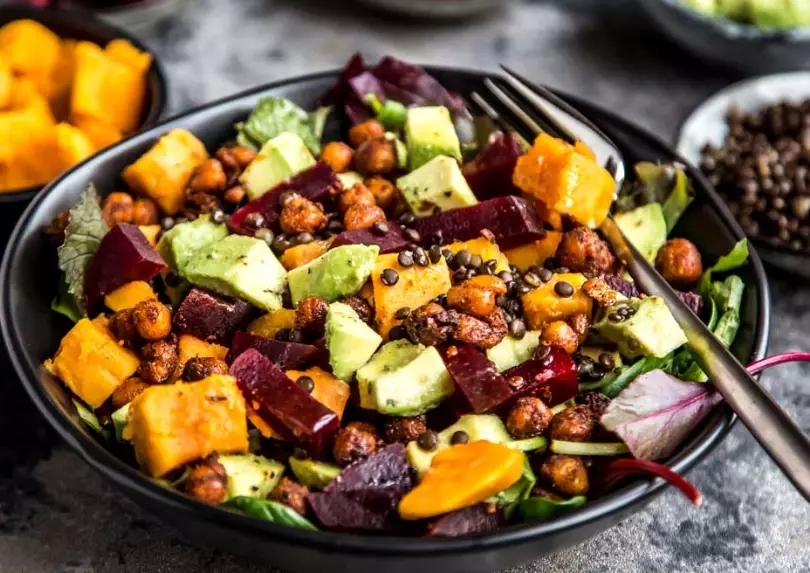
Magnesium: Involved in over 300 bodily processes, including bone formation. About 60% of the body's magnesium is stored in bone. Dark leafy greens, nuts, seeds, and legumes are great sources.
Protein: Bones are about 50% protein by volume. A chronic low protein intake is terrible for bone density. Aim for a palm-sized portion of protein (chicken, fish, tofu, lentils) with each meal.
My Personal Take: I see clients obsess over calcium supplements while eating a diet of processed foods and soda. The phosphoric acid in cola can leach calcium from bones. Fix the foundation first—eat whole foods, then see if you need a supplement.
Exercise: The Non-Negotiable for Bone and Joint Strength
Bone is living tissue. It responds to stress by getting stronger. If you don't stress it, it says, "Why do I need to be dense?" and gets weaker. The right exercise is non-negotiable.
1. Weight-Bearing Impact Activities
These are activities where you're on your feet, working against gravity. They create beneficial "micro-stresses" that stimulate bone-building cells (osteoblasts).
- High-Impact (Best for young, healthy bones): Running, jumping rope, hiking, tennis, dancing.
- Low-Impact (Safer for beginners or those with joint issues): Brisk walking, stair climbing, elliptical trainer, low-impact aerobics.
Aim for 30 minutes, most days of the week.
2. Strength Training (Resistance Exercise)
This is arguably the most important type of exercise for bone density after age 30. Lifting weights, using resistance bands, or doing bodyweight exercises places direct stress on the bones attached to the working muscles.
Focus on multi-joint movements: Squats, lunges, push-ups, rows, and overhead presses. These load the spine and hips—the most critical sites for osteoporotic fractures. Start with 2-3 sessions per week, focusing on form over heavy weight.
3. Flexibility & Balance Work
This is for joint health and fall prevention. Tight muscles pull on joints, creating uneven wear. Poor balance leads to falls, which lead to fractures.
- Flexibility: Dynamic stretching before exercise, static stretching after. Yoga and Pilates are excellent.
- Balance: Practice standing on one leg while brushing your teeth. Try tai chi—it's proven to reduce fall risk in older adults.
Here’s a simple weekly blueprint you can adapt:
| Day | Activity Type | Example | Duration |
|---|---|---|---|
| Monday | Strength Training | Squats, Push-ups, Rows | 30-40 min |
| Tuesday | Weight-Bearing Cardio | Brisk Walking or Hike | 30 min |
| Wednesday | Active Recovery / Flexibility | Yoga or Full-Body Stretch | 20-30 min |
| Thursday | Strength Training | Lunges, Overhead Press, Planks | 30-40 min |
| Friday | Weight-Bearing Cardio | Dancing or Stair Climbing | 30 min |
| Saturday | Fun Activity / Balance | Gardening, Tai Chi, Tennis | Varies |
| Sunday | Rest or Gentle Movement | Leisurely Walk | Optional |
Lifestyle Factors You Can't Ignore
What you do outside the kitchen and gym matters just as much.
Maintain a Healthy Weight: Being underweight (BMI
Don't Smoke. Period. Smoking damages bone-building cells, reduces blood supply to bones, and interferes with estrogen. It's one of the worst things you can do for bone density.
Limit Alcohol: More than one drink per day for women or two for men can interfere with calcium balance and increase fall risk.
Prioritize Sleep: Bone remodeling and repair happen primarily during deep sleep. Chronic poor sleep is linked to lower bone density.
Fall-Proof Your Home: This is practical joint protection. Remove loose rugs, install grab bars in the bathroom, ensure good lighting. A simple fall can undo years of careful work.
Supplements: When Food Isn't Enough
I prefer food first. But sometimes, supplements are necessary.
- Vitamin D3: The most common supplement need. 1000-2000 IU daily is a safe maintenance dose for many. Get your levels checked.
- Calcium: Only supplement if you consistently fall short on dietary calcium. Don't take more than 500mg at a time. Calcium citrate is better absorbed than carbonate for older adults or those with low stomach acid.
- Collagen Peptides: Emerging research, like a 2018 study published in the Journal of Agricultural and Food Chemistry, suggests specific collagen peptides may help reduce joint pain and stimulate bone-building cells. It's not a magic bullet, but many of my clients with creaky joints swear by it.
- Magnesium Glycinate: A good option if you struggle with leafy greens and nuts, or if you have muscle cramps.
Always talk to your doctor before starting a new supplement, especially if you have kidney issues or are on medication.
Common Bone Health Myths Debunked
Myth 1: "Drinking milk is the only way to get strong bones." False. Many cultures with low dairy intake have low fracture rates because their overall diet and activity patterns are bone-friendly. You can get calcium from many sources.
Myth 2: "Running is bad for your joints." Not true for healthy joints. For most people, running strengthens the muscles around the knee and improves bone density. The problem arises from doing too much too soon, poor form, or running through injury.
Myth 3: "Bone loss is inevitable and irreversible." While some age-related loss is normal, severe osteoporosis is not a given. You can significantly slow loss and, in some cases, even achieve modest gains in bone density with the right intensive exercise and nutrition program, at any age.
Myth 4: "If you have arthritis, you should avoid exercise." This is dangerous. Inactivity leads to muscle weakness, more joint instability, and more pain. The right low-impact exercise is medicine for arthritic joints.
How to Build Strong Bones at Any Age
Your strategy shifts with each decade.
Childhood/Teens (The Deposit Years): This is the prime time to build peak bone mass. Focus on calcium-rich foods, plenty of play and sports, and vitamin D from safe sun exposure. The bone bank you fill now determines your reserves later.
20s-30s (The Maintenance & Peak Years): Continue weight-bearing and strength training. Don't let sedentary jobs take over. This is when many women start losing bone density if they develop irregular periods due to over-exercising or undereating.
40s-50s (The Preparation Years): Bone loss begins subtly. Ramp up strength training. Get a baseline bone density scan (DEXA) if you have risk factors (family history, smoking, early menopause). Prioritize protein and vitamin D.
60s+ (The Preservation & Protection Years): Focus shifts to preserving what you have and preventing falls. Strength training is CRITICAL. Balance work becomes a daily habit. Ensure adequate protein intake to combat age-related muscle loss (sarcopenia), which directly impacts bone strength and fall risk.
Your Questions, Answered
You can. It's harder than in your 20s, but it's absolutely possible to increase density, or more commonly, significantly slow down loss. The key is progressive resistance training—consistently challenging your muscles and bones with more weight or resistance over time. Studies on postmenopausal women show that high-intensity strength training and impact exercise can lead to modest increases in hip and spine bone density. It's never too late to start.
Avoid high-impact jumps initially. Focus on building the muscles that stabilize the knee: your quads, hamstrings, and glutes. Start with non-weight-bearing moves like straight leg raises and seated knee extensions with light resistance. Progress to mini-squats (only going as low as pain-free), step-ups onto a low bench, and bridges. Water aerobics is fantastic—it provides resistance without impact. The worst thing you can do is stop moving altogether.
You have great options. For calcium: fortified plant milks and juices, tofu made with calcium sulfate (check the label), tempeh, tahini, almonds, and especially leafy greens like collard greens, kale, and bok choy (though the calcium from some greens like spinach is less absorbable). For protein: lentils, chickpeas, black beans, quinoa, hemp seeds, and pea protein powder. Pay extra attention to vitamin B12 and vitamin D, as deficiencies are more common and both are crucial for bone metabolism.
DEXA is the gold standard for measuring bone mineral density. It's quick, low-radiation, and accurate. The U.S. Preventive Services Task Force recommends screening for women 65 and older and for younger women with risk factors equivalent to a 65-year-old (like a parent who broke a hip, smoking, or long-term steroid use). For men, guidelines are less clear, but screening is generally recommended at 70 or for those with significant risk factors. It gives you a baseline number (T-score) so you and your doctor can make informed decisions.
Break up sitting every 30 minutes. Set a timer. Get up, walk for two minutes, do five squats or ten calf raises. This constant, low-grade movement is better for your joints and circulation than sitting for hours then hitting the gym hard. Secondly, prioritize that 2-3 weekly strength training sessions. Your body needs that dedicated, intense stress to counter the 8+ hours of inactivity. Your future self will thank you for making strength training non-negotiable.
The path to strong bones and joints isn't a secret. It's a commitment to consistent, intelligent action: nourishing your body with the right foods, challenging it with the right movements, and avoiding the habits that tear it down. Start with one change. Maybe it's adding a daily walk and a serving of leafy greens. Maybe it's booking a session with a trainer to learn proper squat form. Build from there. Your skeleton is the framework of your life—invest in it.



Leave a comment