Increasing bone density after 60 isn't just a hope—it's a realistic goal that can slash your fracture risk and keep you active. I've seen clients in their 70s rebuild bone strength through simple, consistent changes. Let's cut to the chase: focus on nutrition, exercise, and lifestyle tweaks, and you'll see results. Here’s everything you need, based on science and real-world experience.
What You'll Discover in This Guide
Why Bone Density Matters After 60
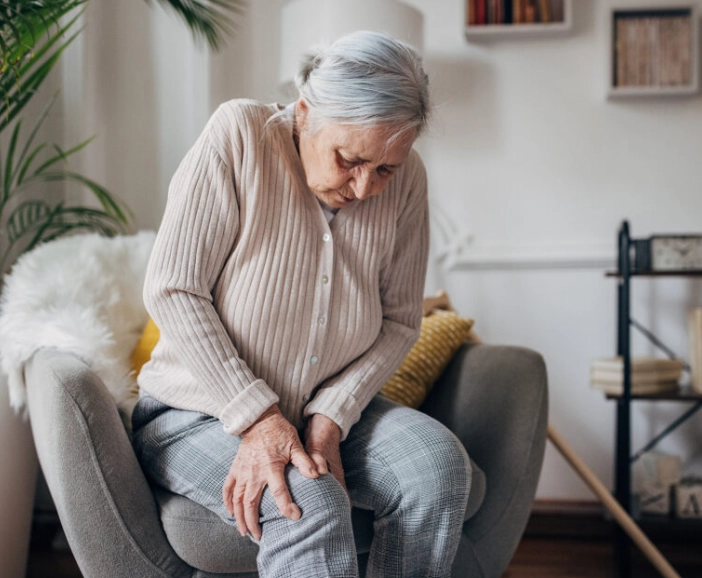
Bone density peaks around age 30, then slowly declines. After 60, loss accelerates, especially in postmenopausal women. But here’s what most articles miss: bone is living tissue that responds to stress and nutrients. You can stimulate growth at any age. The National Institutes of Health notes that osteoporosis affects over 10 million Americans, but prevention starts with understanding. Low density leads to fractures—hip breaks can be devastating, often costing independence. I recall a client, Mary, 65, who thought aching bones were normal aging. After a DEXA scan showed osteopenia, we adjusted her diet. Within a year, her density improved by 3%. Small wins matter.
Key insight: Bone remodeling never stops. Your body constantly breaks down and rebuilds bone. After 60, breakdown outpaces building, but you can tip the scales with targeted actions.
Dietary Strategies for Stronger Bones
Food is your foundation. Many seniors rely on calcium supplements alone, but that’s a mistake. You need a symphony of nutrients. Let’s break it down.
Calcium-Rich Foods to Eat Daily
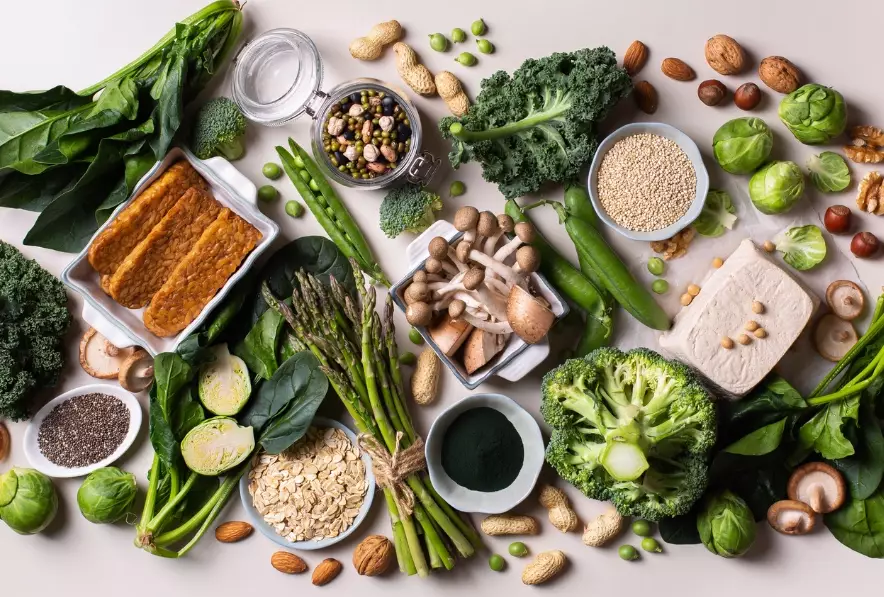
Aim for 1,200 mg of calcium per day, as per the National Osteoporosis Foundation. Dairy isn’t the only source. In fact, some plant-based options absorb better. Here’s a quick list:
Spread intake across meals. Your body absorbs about 500 mg at a time. Pair with vitamin C-rich foods like oranges—it boosts absorption.
The Role of Vitamin D and K2
Vitamin D is non-negotiable. Without it, calcium just floats in your blood. Get 800-1,000 IU daily. Sunlight helps, but after 60, skin production drops. Consider a supplement, but test levels first—many are deficient without knowing. Vitamin K2, found in natto or fermented foods, directs calcium to bones, not arteries. A study in the Journal of Nutrition linked K2 to reduced fracture risk.
Protein is often overlooked. Bones are 50% protein by volume. Include lean meats, beans, or eggs. Aim for 1.2 grams per kg of body weight. Too little, and bones weaken.
Exercise Routines That Actually Work
Exercise is the trigger for bone building. Walking is good, but insufficient. You need weight-bearing and resistance training. Here’s a weekly plan I recommend.
Weight-Bearing Exercises
These force you against gravity. Think brisk walking, hiking, or dancing. Do 30 minutes, 5 days a week. Up the intensity gradually. Jogging if joints allow—it stresses bones positively.
Resistance Training Essentials
Lifting weights is crucial. Start light: 2-pound dumbbells, progressing to 5-10 pounds. Focus on major muscle groups. Squats, lunges, and push-ups (modified if needed) stimulate spine and hip bones. Twice a week. A client, John, 68, added resistance bands to his routine. His hip density improved by 2% in 8 months. Consistency beats intensity.
Balance exercises like tai chi prevent falls. The Centers for Disease Control and Prevention highlights fall prevention as key for seniors. Practice daily for 10 minutes.
Lifestyle Changes That Make a Difference
Beyond diet and exercise, small shifts yield big returns.
Sleep: Poor sleep raises cortisol, which leaches calcium. Aim for 7-8 hours. Create a dark, cool environment.
Stress management: Chronic stress harms bones. Try meditation or deep breathing. Even 5 minutes daily helps.
Avoid smoking and limit alcohol: Smoking reduces blood flow to bones. More than 2 drinks daily accelerates bone loss. I’ve seen folks cut back and see density stabilize.
Medication review: Some drugs, like corticosteroids, weaken bones. Talk to your doctor. Alternatives might exist.
Common Myths and Mistakes to Avoid
Let’s debunk myths. First, “calcium supplements are enough.” Wrong. Without vitamin D and exercise, they’re wasted. Second, “it’s too late after 60.” Research shows bone responds at any age. A 2018 study in Osteoporosis International found seniors can gain 1-3% density yearly with intervention.
Another mistake: avoiding exercise due to fear of injury. Start slow, with guidance. Skipping protein is common—bones need it for matrix formation.
Personal take: Many focus on dairy but ignore magnesium-rich foods like almonds. Magnesium aids calcium absorption. Include a handful daily.
Your Bone Density Questions Answered
Increasing bone density after 60 is a journey of consistent steps. Start today—add a calcium-rich food, try a new exercise, and get that vitamin D check. Your bones will thank you.

Leave a comment