You're glowing, they say. Meanwhile, you're staring in the mirror at a breakout that feels more reminiscent of your teenage years than this magical journey. Let's be honest: pregnancy acne is frustrating, confusing, and can really dent your confidence. The worst part? You can't just slap on your usual zit-zapping products. Everything changes when you're growing a baby.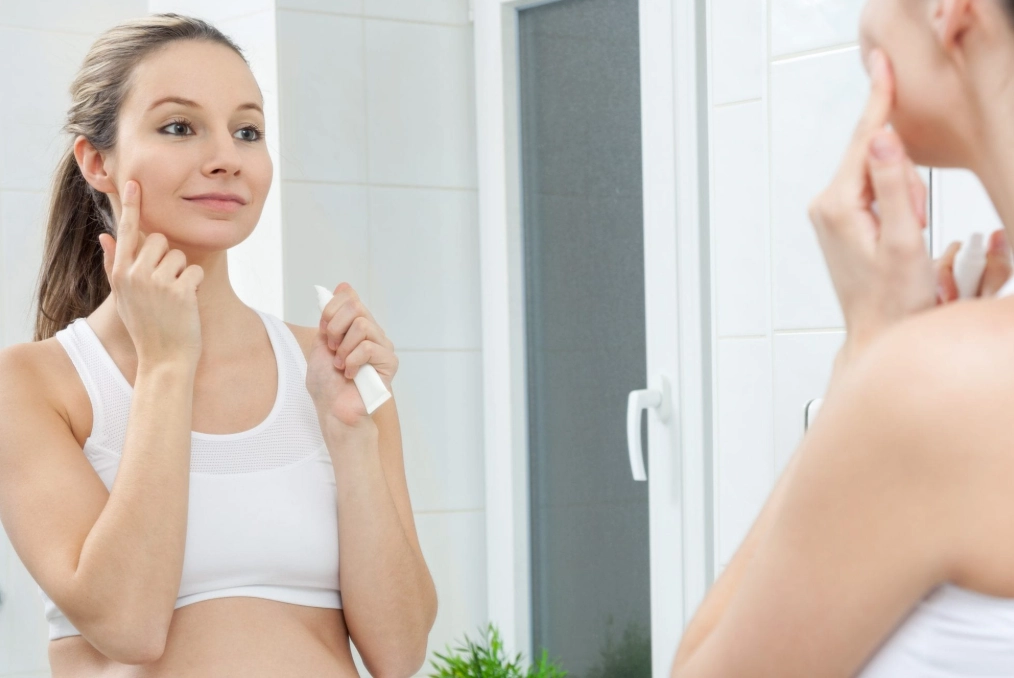
This guide cuts through the noise. We'll talk about why this happens, what you can safely use (with specific ingredient names and product types), and what you must avoid. I've been through this myself and spent years discussing skincare with dermatologists – the goal here is to give you clear, actionable advice, not just generic tips.
Quick Navigation: What's Inside
What Causes Pregnancy Acne?
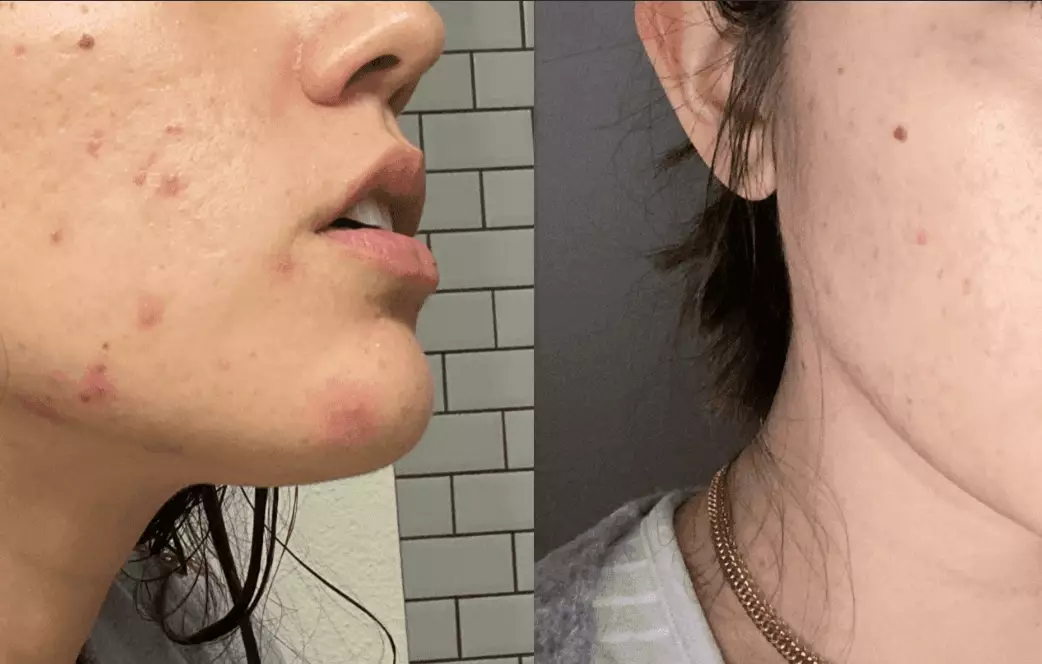
It all boils down to hormones, specifically the surge in progesterone. This hormone increases your skin's production of sebum (oil). More oil mixes with dead skin cells, clogging pores and creating the perfect environment for the bacteria Cutibacterium acnes to thrive. The result? Breakouts, often along the jawline, chin, and cheeks – classic hormonal acne territory.
It's not just about being "dirty" or eating the wrong thing. For many, pregnancy acne is most prominent during the first trimester when hormonal fluctuations are wild. For others, it might persist or even start later. The pattern is unpredictable, which is part of the annoyance.
How to Treat Pregnancy Acne Safely
Rule number one: always run any new treatment or product by your OB-GYN or a dermatologist familiar with pregnancy. What's safe for one person might need adjustment for another. That said, several topical ingredients are widely considered low-risk and effective options.
Top-Tier Safe Ingredients (Topical Use)
These are your first line of defense. Look for them on product labels.
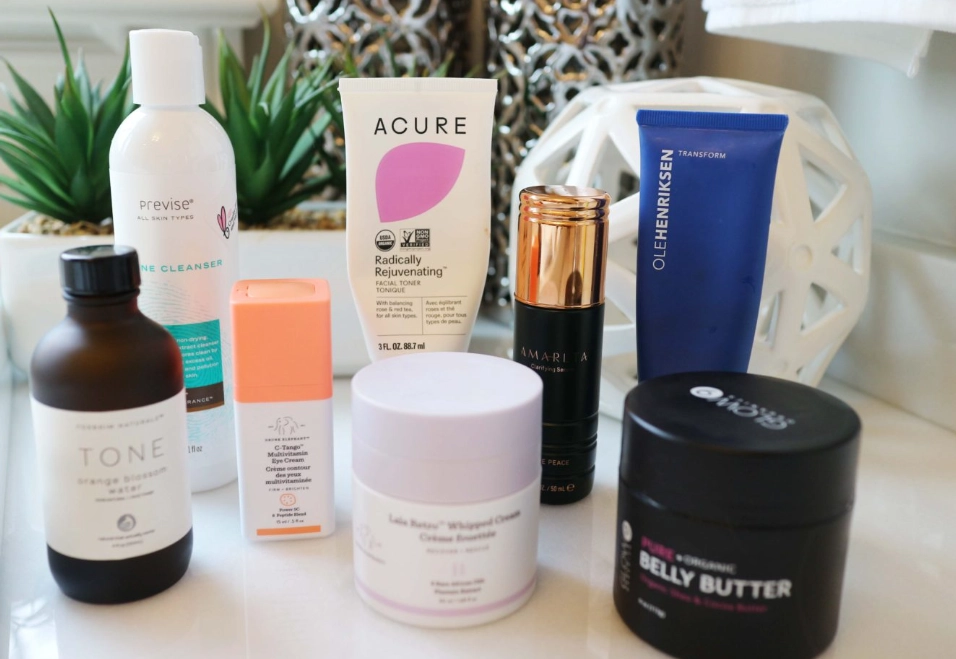
Azelaic Acid (10%-20%): This is the gold standard for many dermatologists during pregnancy. It's anti-inflammatory, antibacterial, and helps with post-inflammatory hyperpigmentation (those dark marks left after a pimple). It's effective for both inflammatory red bumps and comedonal acne (blackheads/whiteheads). Brands like The Ordinary, Paula's Choice, and prescription-strength Finacea offer good options.
Glycolic Acid & Lactic Acid (Low Concentrations): These alpha-hydroxy acids (AHAs) are gentle chemical exfoliants. They help slough off dead skin cells that clog pores. Stick to concentrations under 10% in leave-on products and avoid harsh, daily peels. A glycolic acid toner used 2-3 times a week can make a big difference in skin texture.
Benzoyl Peroxide (2.5%-5% Wash-Off Products): This is where opinions vary slightly, but many experts consider low-concentration benzoyl peroxide in a wash-off form (like a cleanser) to be a lower-risk option. The systemic absorption from a face wash you rinse off is minimal. It's a powerful antibacterial. I'd be more cautious with leave-on creams, but a wash can be a great tool. Discuss this one with your doctor.
The "Proceed with Caution" Category
These are sometimes deemed acceptable in specific contexts, but require a clear doctor's okay.
Salicylic Acid (Beta-Hydroxy Acid/BHA): The official stance from the FDA and many OBs is to avoid high-dose oral salicylic acid. For topical use in low concentrations (under 2%), and in wash-off products like cleansers, many dermatologists consider the risk very low because so little is absorbed. However, it's a category C drug. My personal stance? If you have a gentle salicylic acid cleanser you love, ask your doctor. But don't start using a strong 2% leave-on treatment for the first time while pregnant.
| Ingredient | Why It's Useful | Pregnancy Safety Consensus & Best Form |
|---|---|---|
| Azelaic Acid | Fights bacteria, reduces inflammation, fades dark spots. | Generally Safe. Topical creams/gels (10-20%). Often considered first-choice. |
| Glycolic/Lactic Acid (AHA) | Gentle exfoliation, unclogs pores, improves texture. | Generally Safe. Low-concentration ( |
| Benzoyl Peroxide | Potent antibacterial, kills acne-causing bacteria. | Likely Low Risk. Primarily in wash-off cleansers (2.5-5%). Discuss with doctor. |
| Salicylic Acid (BHA) | Exfoliates inside pores, good for blackheads/oily skin. | Use with Caution. Low-dose ( |
Building a Pregnancy-Safe Daily Skincare Routine
Simplicity wins. Your goal is gentle cleansing, targeted treatment, hydration, and serious sun protection. Here's a basic framework.
Morning: 1. Cleanse: Use a gentle, fragrance-free cleanser with lukewarm water. 2. Treat (Optional): Apply a thin layer of azelaic acid serum to affected areas if your skin tolerates it daily. 3. Moisturize: A lightweight, non-comedogenic moisturizer. Hyaluronic acid-based gels are great. 4. Protect: Mineral sunscreen (Zinc Oxide/Titanium Dioxide) SPF 30+ is non-negotiable. Many acne treatments and pregnancy itself can make your skin more sun-sensitive. Mineral filters are physical blockers considered very safe.
Evening: 1. Cleanse: If you wore sunscreen/makeup, consider a double cleanse (oil-based cleanser first, then gentle foaming cleanser). 2. Treat: This is your main treatment window. Apply your azelaic acid or alternate with a gentle AHA toner 2-3 nights a week. 3. Moisturize: A slightly richer moisturizer to support your skin barrier overnight.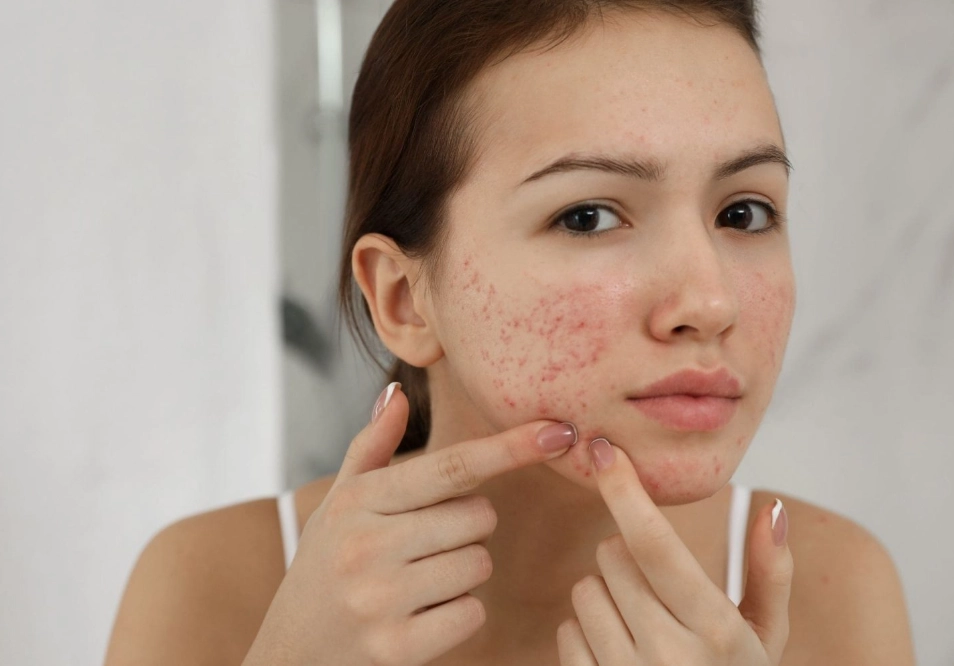
The No-Go List: Acne Treatments to Avoid
This list is critical. Some ingredients pose a known risk of birth defects.
Oral and Topical Retinoids: This is the biggest one. Absolutely avoid isotretinoin (Accutane), tretinoin (Retin-A), adapalene (Differin), tazarotene, and retinol (high-dose). These vitamin A derivatives are linked to severe congenital disabilities. Stop any prescription retinoid before trying to conceive. Be wary of over-the-counter "anti-aging" creams with retinol too.
Oral Tetracyclines: Antibiotics like doxycycline and minocycline can affect fetal bone growth and discolor developing teeth. They are typically contraindicated after the first trimester and generally avoided.
High-Dose Salicylic Acid Peels: While a 2% wash might be debated, professional-strength salicylic acid peels are a definite no due to higher systemic absorption risk.
Hormonal Therapies: Any treatment that manipulates hormones (like spironolactone) is stopped during pregnancy.
When in doubt, leave it out. A basic, safe routine is far better than risking an unknown.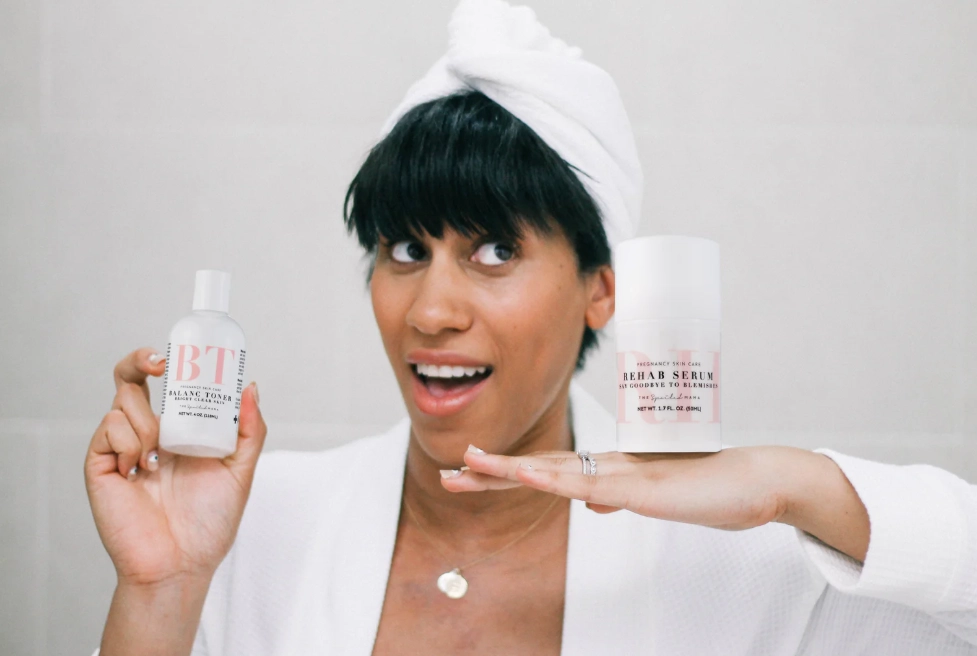
Your Pregnancy Acne Questions Answered
Not at all. This is a dangerous assumption. "Natural" doesn't equal safe. Many essential oils (like sage, rosemary, thyme) are potent and not recommended during pregnancy. Other plant extracts can be highly irritating or allergenic, which worsens inflamed acne. The safety of an ingredient depends on its chemical structure and absorption, not its source. Always check the active ingredients list, not just the marketing.
You should try very hard not to. I know the temptation is real. But pregnancy skin can be more prone to hyperpigmentation and scarring. Picking increases inflammation, pushes bacteria deeper, and makes those dark post-acne marks (PIH) much more likely and longer-lasting. If you have a painful, obvious whitehead, a sterilized extraction tool used gently after a warm compress is better than using your nails. But the best practice is to apply a warm compress and let it resolve, or use a hydrocolloid pimple patch to draw out the gunk safely.
This is when you must see a dermatologist. Don't suffer in silence. They can prescribe higher-strength azelaic acid (15%-20% gel), which is more effective than OTC versions. In severe, inflammatory cases, they may consider very short-term use of certain oral antibiotics deemed safer in specific pregnancy stages (like erythromycin), but this is a last-resort, carefully weighed decision. A dermatologist can also perform safe, in-office procedures like gentle extractions or specific light therapies.
 Will my acne go away after I give birth?
For most people, yes, it improves significantly postpartum as hormones settle. However, the timeline varies. Some see clearing within weeks, while others, especially if breastfeeding (which maintains certain hormonal patterns), might experience breakouts for several months. Postpartum acne is its own common phase. The good news is that once you're no longer pregnant or breastfeeding, your full arsenal of acne treatments becomes available again.
The evidence isn't as strong as for topical treatments, but managing what you can helps. Stress is a known acne trigger—find gentle ways to decompress (prenatal yoga, walks). Some women find reducing high-glycemic foods (sugary snacks, white bread) helps. Staying hydrated is crucial for overall skin health. Focus on a balanced diet rich in antioxidants. But don't blame yourself for eating a cookie. The primary driver is hormonal; lifestyle tweaks are supportive, not curative.
 Dealing with acne on top of all the other pregnancy changes is tough. Give yourself grace. Your primary job is growing a healthy baby, and that's amazing. Skincare is secondary, but taking care of your skin can help you feel more like yourself. Stick to the safe, simple guidelines, consult your doctors, and remember—this phase is temporary.

Leave a comment