If you're a woman dealing with acne, you already know the game isn't fair. What worked for your teenage brother or that guy friend often does nothing for you. That's because female acne is a different beast, frequently driven by hormones that fluctuate monthly, making it stubborn and emotionally draining. The "best" treatment isn't a single magic potion; it's a strategic plan that addresses the root cause of *your* breakouts. Let's cut through the noise and build that plan.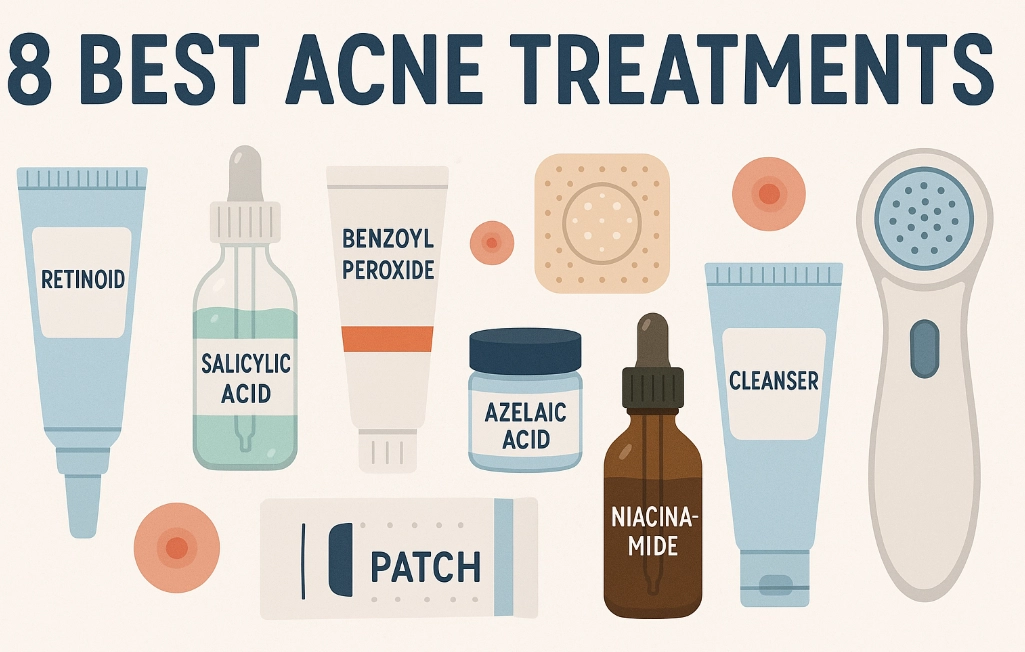
What You'll Find in This Guide
- Why Female Acne Is a Different Game
- The Non-Negotiable Foundation of Any Treatment
- A Deep Dive into Topical Treatments (What to Put On Your Skin)
- Oral Medications: When Topicals Aren't Enough
- Tailored Advice: Your 20s, 30s, 40s and Beyond
- How to Build Your Daily Skincare Routine for Acne
- Your Top Acne Questions, Answered
Why Female Acne Is a Different Game
Men largely deal with acne driven by testosterone during puberty. For women, it's often a lifelong conversation with hormones like estrogen and progesterone. This is why you might see clear skin for two weeks, then a cascade of deep, painful bumps along your jawline and chin right before your period. This pattern is the hallmark of hormonal acne. Stress, certain birth control methods, PCOS (Polycystic Ovary Syndrome), and even perimenopause can throw these hormones out of whack, leading to breakouts at any adult age.
Treating this type of acne effectively means you often need a two-pronged approach: something to fight the bacteria and inflammation on the skin's surface, and something to manage the internal hormonal trigger. Ignoring the hormonal side is like mopping the floor with the tap still running.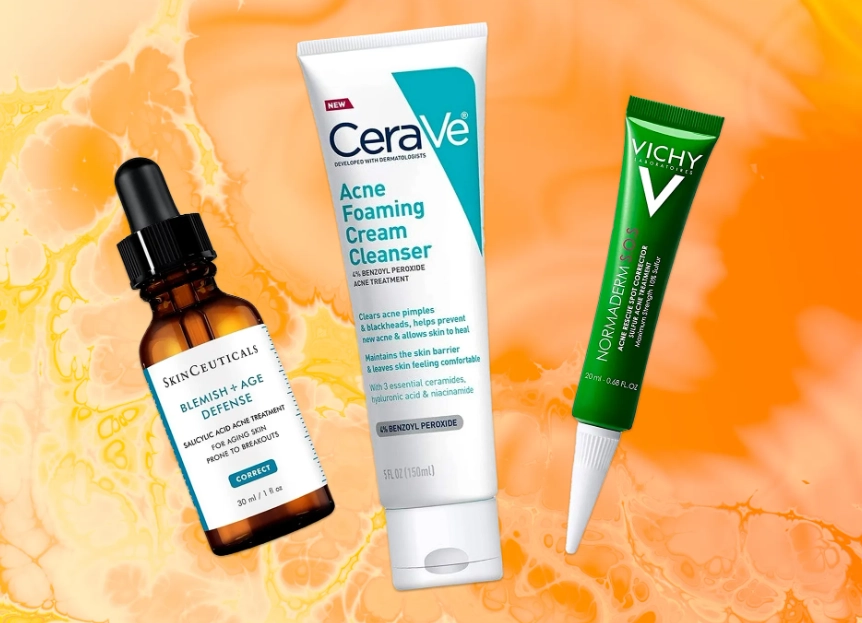
The Non-Negotiable Foundation of Any Treatment
Before we get to prescriptions, let's talk basics. The most potent acne medication will fail if your skin barrier is wrecked. I've seen countless women using the strongest retinoids but stripping their skin with harsh cleansers, leading to more redness, peeling, and ironically, more breakouts as the skin panics.
The Golden Rule: Be gentle. Acne-prone skin is often sensitive skin in disguise. Your core routine should be simple: a gentle, non-foaming cleanser (look for "hydrating" or "cream" formulas), a lightweight, non-comedogenic moisturizer (yes, even oily skin needs moisture), and a broad-spectrum SPF 30+ sunscreen every single morning. Sunscreen is non-negotiable; many acne treatments increase sun sensitivity, and UV damage causes post-inflammatory hyperpigmentation (those dark marks left after a pimple), which can last much longer than the pimple itself.
A Deep Dive into Topical Treatments (What to Put On Your Skin)
This is where you start making targeted moves. Over-the-counter (OTC) options are great for mild acne, but for persistent or moderate cases, a dermatologist's prescription will be far more effective and cost-efficient in the long run.
Over-the-Counter (OTC) Power Players
Salicylic Acid (0.5%-2%): A beta-hydroxy acid (BHA) that exfoliates inside the pore. It's fantastic for blackheads and whiteheads. Look for it in cleansers (short contact) or leave-on toners/serums. Don't overdo it—once daily is plenty.
Benzoyl Peroxide (2.5%-10%): Kills acne-causing bacteria and helps clear pores. The higher percentage isn't better; 2.5% is just as effective as 10% with far less irritation. It can bleach fabrics, so use white towels and pillowcases.
Adapalene Gel (0.1%): This is a huge win. Once a prescription-only retinoid, it's now available OTC. It's a gold-standard for preventing comedones (clogged pores) and reducing inflammation. Start slow: apply a pea-sized amount every other night over moisturizer to buffer irritation.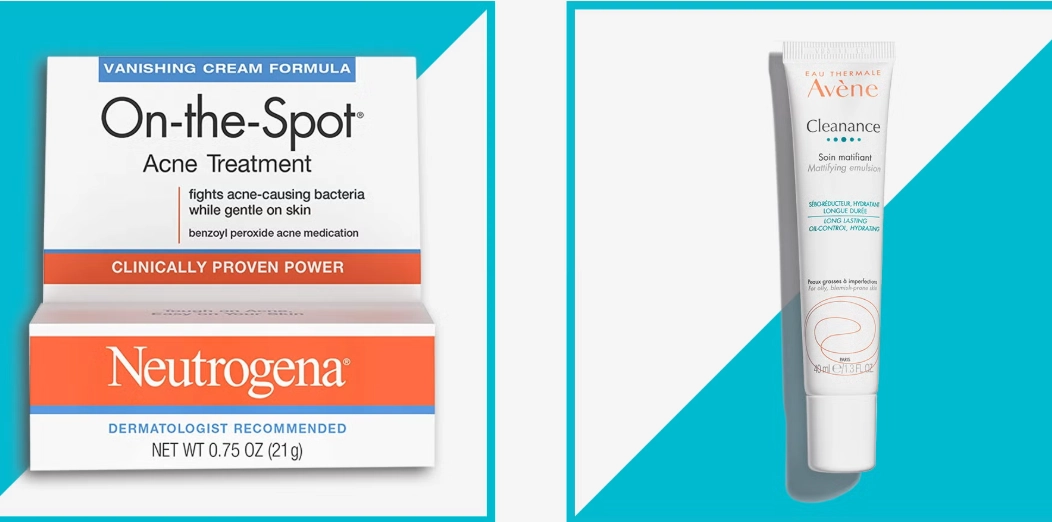
Prescription Topicals: The Heavy Hitters
When OTC isn't cutting it, these are your next step. A dermatologist can combine ingredients for a synergistic effect.
| Medication Type | Common Examples | How It Works & Best For | Key Consideration for Women |
|---|---|---|---|
| Topical Retinoids | Tretinoin, Tazarotene, Trifarotene | Unclogs pores, accelerates cell turnover, reduces inflammation. The cornerstone of anti-acne and anti-aging. | Must be avoided during pregnancy and breastfeeding. Can cause initial dryness/peeling (“retinization”). |
| Topical Antibiotics | Clindamycin, Erythromycin | Reduces bacteria and inflammation. Good for red, angry pimples. | Almost always prescribed with benzoyl peroxide to prevent antibiotic resistance. Safe for use when pregnant (under doctor's guidance). |
| Combination Gels/Creams | Clindamycin/Benzoyl Peroxide, Adapalene/Benzoyl Peroxide | Attacks multiple causes (bacteria, clogged pores) at once. Often more effective than single ingredients. | Adapalene/BPO combo (like Epiduo) is a first-line prescription for moderate acne. Highly effective. |
| Azelaic Acid (15%-20%) | Finacea, Azelex (Rx), The Ordinary (10% OTC) | Kills bacteria, reduces inflammation, and helps fade post-acne dark marks. Gentle. | An excellent option for pregnant or breastfeeding women. Also great for those with rosacea-prone acne. |
Oral Medications: When Topicals Aren't Enough
For moderate to severe acne, or stubborn hormonal acne, pills can be game-changers. This requires a doctor's visit and ongoing monitoring.
Oral Antibiotics (Doxycycline, Minocycline): Used for short-term courses (3-6 months) to calm severe inflammatory flare-ups. They're a bridge, not a long-term solution, due to resistance concerns. Always use them alongside topical treatments.
Hormonal Therapies: This is often the "best" secret weapon for women with hormonal acne.
- Combination Oral Contraceptives (The Pill): Specific FDA-approved brands like Yaz, Ortho Tri-Cyclen work by suppressing ovarian androgens. It can take 3-6 months to see full results. Not suitable for everyone (smokers over 35, history of blood clots, etc.).
- Spironolactone: This is a blood pressure medication that blocks androgen hormones in the skin. It's wildly effective for adult female hormonal acne, especially the deep, cystic kind on the lower face. It's not a contraceptive. Side effects can include increased urination, breast tenderness, and it requires monitoring potassium levels. For many women, it's life-changing.
Isotretinoin (Accutane): The most powerful option for severe, scarring, treatment-resistant acne. It shrinks oil glands dramatically. It's highly regulated due to serious side effects (most notably severe birth defects) and requires monthly blood tests and two forms of contraception for women of childbearing age. For the right candidate, it can be a permanent cure.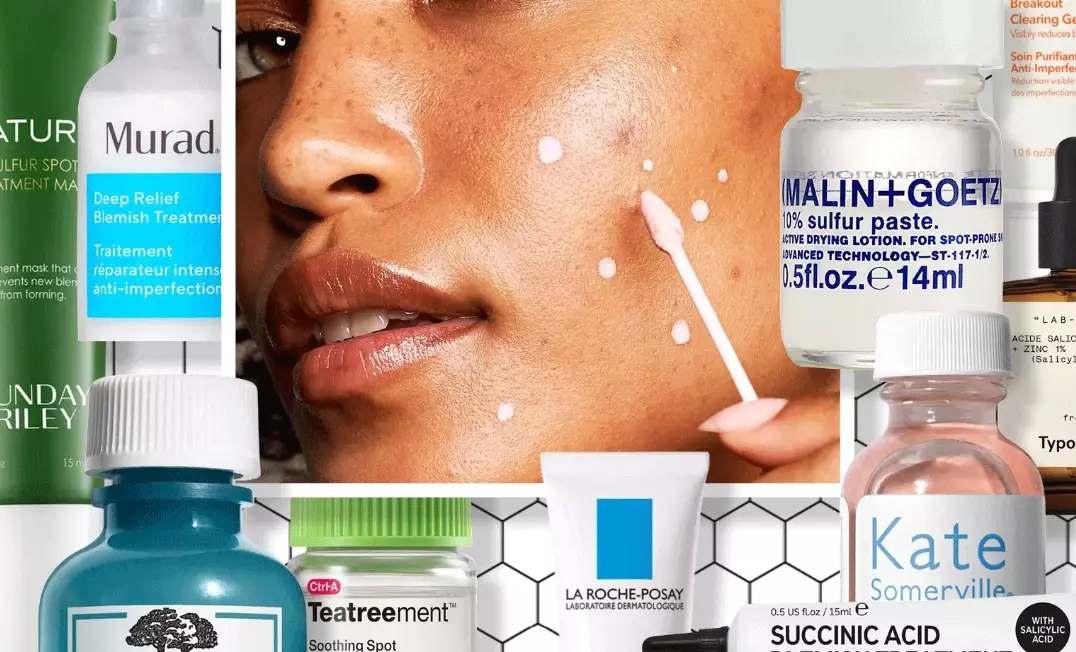
Tailored Advice: Your 20s, 30s, 40s and Beyond
Your strategy should evolve.
Teens to Late 20s: Often a mix of hormonal and bacterial acne. A solid routine with a retinoid (like adapalene or tretinoin) and maybe a short course of oral antibiotics for flares is common. Birth control pills can be a great integrated option.
30s and 40s (Adult-Onset Acne): This is where hormonal drivers really take center stage. You might be dealing with both acne and early signs of aging. Spironolactone becomes a star player here. Your topical routine might include tretinoin, which tackles both acne and wrinkles.
Perimenopause and Menopause: Fluctuating and then dropping estrogen levels can trigger another wave of breakouts. Skin also becomes drier. Treatments need to be gentler. Topical azelaic acid, low-dose topical retinoids, and adjusting hormone replacement therapy (HRT) with your doctor are key considerations.
The bottom line: There is no single "best" treatment. It's about matching the treatment to the type and severity of your acne, your age, your hormonal profile, and whether you're planning a pregnancy. This is why seeing a board-certified dermatologist is the fastest path to clear skin.
How to Build Your Daily Skincare Routine for Acne
Let's make it actionable. Here’s a sample framework for someone using a prescription retinoid like tretinoin.
AM Routine:
- Cleanser: Rinse with lukewarm water or use a gentle, hydrating cleanser.
- Treatment (if prescribed for AM): A product like azelaic acid or clindamycin.
- Moisturizer: A lightweight, oil-free lotion.
- Sunscreen: SPF 30+, mineral (zinc oxide/titanium dioxide) is often less irritating.
PM Routine:
- Cleanser: Use a gentle cleanser to remove sunscreen and makeup.
- Moisturizer (Wait 10-15 mins): Apply your moisturizer on damp skin. Let it fully absorb. This "buffering" method reduces retinoid irritation.
- Treatment: Apply a pea-sized amount of your retinoid (e.g., tretinoin) all over the face, avoiding the eye and lip areas.
- Optional Second Moisturizer: If your skin feels dry, apply a second layer of moisturizer.
Start the retinoid 2-3 nights a week, gradually increasing as your skin tolerates it. Patience is key—it takes 8-12 weeks to see real improvement.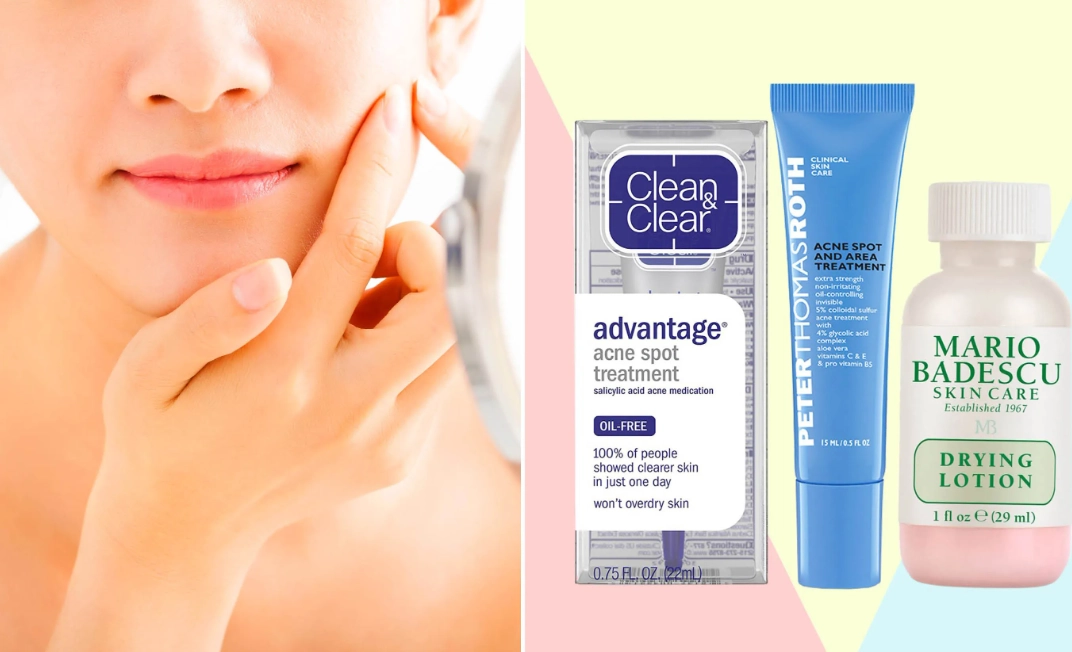
Your Top Acne Questions, Answered
I'm pregnant or breastfeeding. What are my safe acne treatment options?
This is a critical time to work with your dermatologist and OB/GYN. Topical treatments like azelaic acid, topical clindamycin, and glycolic acid are generally considered safe. Topical benzoyl peroxide in low concentrations is also often deemed acceptable due to minimal skin absorption. You must avoid oral retinoids (like isotretinoin) and topical retinoids (tretinoin, adapalene). Oral antibiotics like erythromycin may be an option, but others like doxycycline are contraindicated. Spironolactone is not recommended during pregnancy or breastfeeding.
I've been on a treatment for a month and my skin is worse. Is this normal?
With active ingredients like retinoids and benzoyl peroxide, a "purge" is common in the first 4-6 weeks. This is when the medication accelerates the skin's cell turnover, bringing existing, dormant microcomedones (clogged pores) to the surface all at once. It typically looks like small whiteheads or blackheads in areas where you usually break out. True irritation (redness, stinging, burning, excessive peeling) is different. If it's a purge, stick with it. If it's severe irritation, you may be using it too frequently or need a gentler formulation—talk to your dermatologist about adjusting.
 My acne is mostly around my chin and jawline. Does that mean it's definitely hormonal?
It's a strong indicator, but not a guarantee. This pattern is classic for hormonal acne because the oil glands in that area are highly sensitive to androgens. However, habits like resting your chin on your hand or using a dirty phone can also cause breakouts there. The clearest sign of hormonal acne is a cyclical flare-up that correlates with your menstrual cycle. If you get deep, painful cysts along your jawline in the week before your period, that's the hormonal signature. Treating it often requires addressing the internal driver (like with spironolactone or specific birth control) alongside topical care.
How long do I need to keep using acne treatments?
Acne is a chronic condition for many adults, not a one-time infection. Think of it like high blood pressure—you manage it continuously. You may be able to reduce the frequency or strength of your treatments once your skin is clear (a maintenance phase), but stopping effective treatments altogether often leads to the acne returning. For example, you might use tretinoin every night to get clear, then switch to every other night to maintain. Hormonal medications like spironolactone typically need to be continued to keep results. The goal is to find a long-term, gentle regimen that keeps your skin clear without irritation.
Are expensive skincare brands or facials better for acne?
Not necessarily. The active ingredients (retinoids, benzoyl peroxide, azelaic acid) are what matter, and you can get effective prescription versions for a copay. A $300 cream without proven actives is just expensive moisturizer. Regarding facials, basic cleansing facials won't treat acne. Extractions can help with blackheads if done properly, but aggressive picking can cause scarring. Chemical peels (like salicylic or glycolic acid peels) performed by a licensed professional can be a helpful *adjunct* to a solid home treatment plan, but they are not a replacement for daily medication. Don't let a fancy spa sell you a package promising a cure—your dermatologist's treatment plan is the foundation.
The journey to clear skin is more of a marathon than a sprint, especially for women. It requires understanding your unique triggers, building a consistent and gentle routine, and having the patience to let proven medications work. Don't suffer in silence or waste money on endless quick fixes. The most effective step you can take is to partner with a dermatologist who can diagnose your specific type of acne and create a personalized, strategic plan that actually works.



Leave a comment