Let's cut through the noise. You're probably here because you don't feel like yourself. Maybe your energy is stuck in first gear, your motivation is MIA, or the gym results have flatlined. You might have seen "low T" thrown around as a catch-all fix. But here's the thing most articles won't tell you: hormonal balance for men isn't just about testosterone. It's a symphony, not a solo act. When cortisol (your stress hormone), insulin, and thyroid hormones are out of tune, boosting testosterone alone is like putting a spoiler on a car with a flat tire. It looks focused, but you're not going anywhere.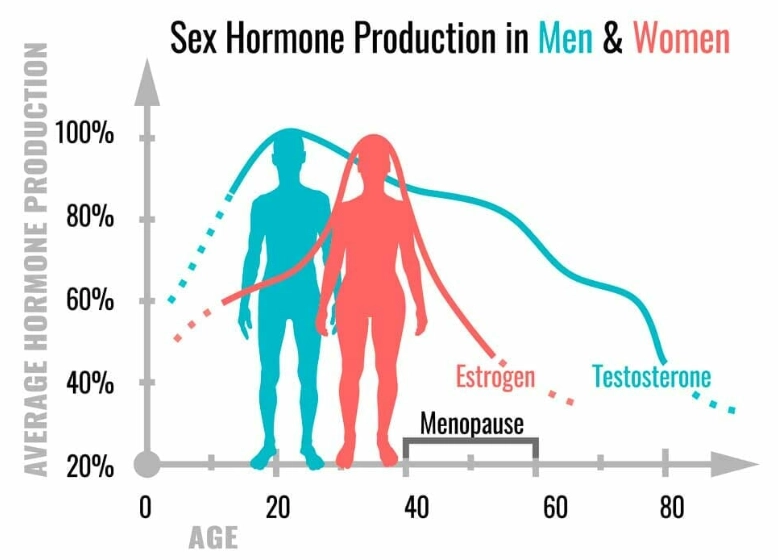
I've worked with guys for over a decade, from burned-out executives to dedicated athletes. The biggest mistake I see? They chase a single number on a lab test without fixing the lifestyle foundation that caused the imbalance in the first place. This guide is about building that foundation.
What You'll Learn in This Guide
What Are Hormones and Why Should You Care?
Think of hormones as your body's chemical messengers. They're produced by glands like the testes, adrenal glands, thyroid, and pancreas, then travel in your bloodstream to tissues and organs, telling them what to do and when to do it. They regulate nearly everything: metabolism, mood, muscle growth, sex drive, sleep, and how you handle stress.
The key players for men are:
- Testosterone: The star of the show for male vitality, driving libido, muscle mass, bone density, and competitive drive.
- Cortisol: Your primary stress hormone. Short bursts are fine (and necessary), but chronic elevation is a major party crasher for testosterone and overall health.
- Insulin: Manages blood sugar. When you're constantly spiking it with sugar and refined carbs, you pave the way for fat gain and inflammation, which disrupts other hormones.
- Thyroid Hormones (T3 & T4): Your metabolic engine. If these are low, everything slows down—energy, brain fog, weight gain.
Balance means all these messengers are working in harmony, not fighting each other for attention.
7 Signs Your Hormones Might Be Out of Whack
It's not always dramatic. Often, it's a slow creep. Look for these patterns, not just one-off bad days.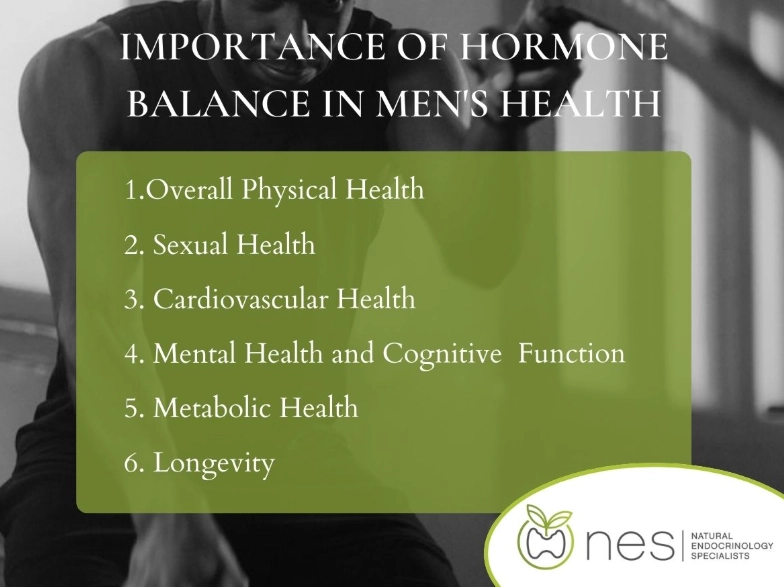
The Energy & Mood Triad: This is the most common cluster I see. Persistent fatigue that coffee can't fix. Irritability over small things. A general sense of being "blah" or mildly depressed without a clear reason. This often points to a cortisol-testosterone seesaw that's stuck.
- Stubborn Belly Fat: You're eating right and exercising, but that spare tire won't budge. High cortisol and insulin resistance tell your body to store fat viscerally (around the organs).
- Lost Your Edge in the Gym: Recovery takes forever. Strength plateaus or declines. You used to look forward to workouts; now they feel like a chore. This is a classic signal of suboptimal testosterone and elevated cortisol.
- Libido on Vacation: A decreased sex drive isn't just a mental thing. It's a direct hormonal report card.
- Sleep Gone Wrong: Trouble falling asleep, staying asleep, or waking up feeling unrested. Cortisol rhythms are tightly linked to sleep cycles.
- Brain Fog: You can't concentrate like you used to. Memory feels fuzzy. This can tie to thyroid issues, cortisol, or low testosterone.
- Changes in Body Composition: Losing muscle mass while gaining fat, even if the scale doesn't move much.
The Modern Culprits: What's Throwing Your Hormones Off?
Our ancestors didn't have these problems to this degree. The modern environment is a perfect storm for hormonal disruption.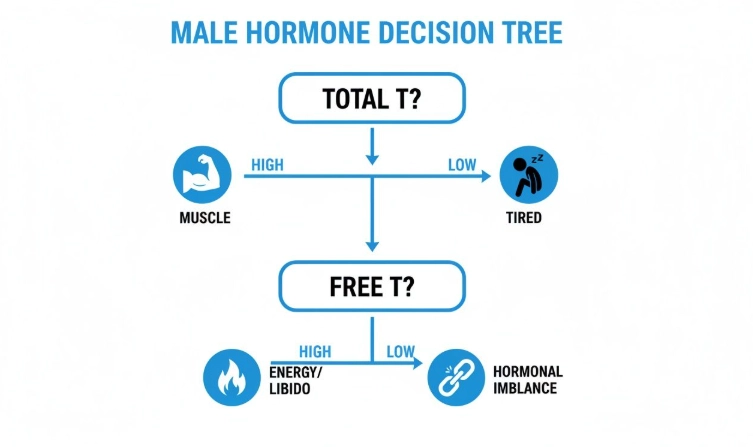
Chronic Stress is Enemy #1. I can't stress this enough (pun intended). Your body can't tell the difference between a work deadline and a tiger chasing you. Constant stress means constant cortisol, which directly suppresses testosterone production. A study published in the Journal of Clinical Endocrinology & Metabolism clearly shows this inverse relationship.
Poor Sleep Hygiene. Scrolling till midnight under blue light, inconsistent bedtimes—this wrecks your circadian rhythm, which governs hormone release. Growth hormone and testosterone are primarily released during deep sleep. Skimp on sleep, and you skimp on hormone production.
The Standard American Diet (SAD). Highly processed foods, seed oils high in omega-6 (inflammatory), sugar, and refined carbs lead to insulin spikes, inflammation, and fat gain. Adipose (fat) tissue produces an enzyme called aromatase that converts testosterone into estrogen. Yes, too much body fat can literally feminize your hormone profile.
Over training & Under recovering. More is not always better. Long, intense daily cardio sessions or never taking a day off from heavy lifting keeps cortisol high and suppresses anabolic hormones. Rest is not lazy; it's essential for balance.
Environmental Toxins. While more research is needed, certain plastics (BPA, phthalates), pesticides, and pollutants are considered endocrine disruptors. They can mimic or interfere with your natural hormones.
How to Balance Your Hormones Naturally (A 4-Pillar Plan)
This is the actionable core. You don't need a fancy protocol. You need consistency with fundamentals.
Pillar 1: Eat for Hormonal Harmony
Forget extreme diets. Focus on nutrient density and blood sugar stability.
Prioritize Protein & Healthy Fats. Protein provides amino acids for hormone production. Fats, especially saturated and monounsaturated (think animal fats, olive oil, avocados), are raw materials for cholesterol, which is the precursor to testosterone. Don't fear them.
Manage Carbohydrates Smartly. Time them. Eat most of your carbs (from sources like sweet potatoes, rice, fruit) around your workouts when your body can use them for fuel, not store them as fat. On sedentary days, lower the intake.
Load Up on Micronutrients. Specific vitamins and minerals are co-factors for hormone synthesis. Here’s a quick cheat sheet:
| Nutrient | Role in Hormone Health | Top Food Sources |
|---|---|---|
| Zinc | Critical for testosterone production; often deficient. | Oysters, beef, pumpkin seeds, lentils. |
| Magnesium | Involved in 300+ enzyme reactions, reduces cortisol, improves sleep. | Spinach, almonds, black beans, dark chocolate (85%). |
| Vitamin D | Functions like a hormone; low levels strongly correlate with low testosterone. | Sunlight, fatty fish (salmon, mackerel), egg yolks, fortified foods. |
| B Vitamins | Essential for energy production and managing stress (B5, B6). | Organ meats, eggs, leafy greens, nutritional yeast. |
Pillar 2: Master Your Sleep
This is non-negotiable. Aim for 7-9 hours of quality sleep.
Create a ritual.
Dim lights 90 minutes before bed. No screens. Try reading a physical book. Keep your room cool (around 65°F or 18°C) and pitch black. Consistency matters—try to sleep and wake at similar times, even on weekends.
Pillar 3: Train Smarter, Not Harder
Ditch the chronic cardio. Focus on:
- Compound Lifts: Squats, deadlifts, presses, rows. Heavy, intense, brief. These have been shown to cause a significant acute boost in testosterone and growth hormone.
- Sprints: Short, all-out efforts (e.g., 30 seconds) with full recovery. Fantastic for growth hormone and metabolic health without the cortisol cost of long runs.
- Walk More: Low-level activity (walking 8-10k steps daily) reduces stress, improves insulin sensitivity, and aids recovery.
Schedule 1-2 full rest days per week. Listen to your body.
Pillar 4: Conquer Stress (It's a Skill)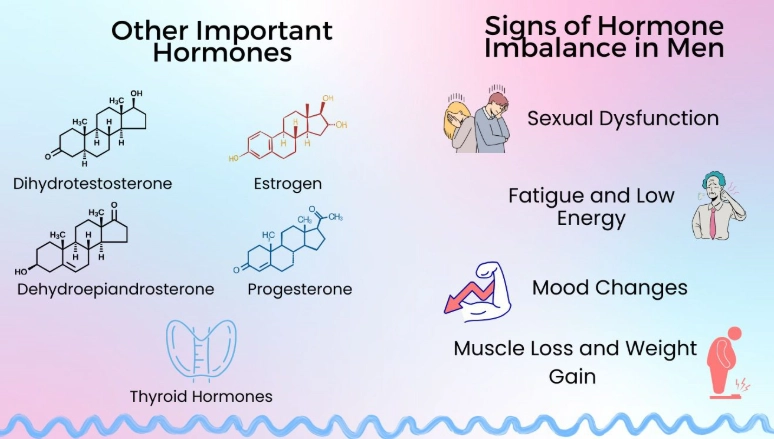
You can't eliminate stress, but you can change your response to it.
Breathing is Your Built-in Tool. When stressed, try box breathing: inhale for 4 seconds, hold for 4, exhale for 6, hold for 2. Repeat 5 times. It signals your nervous system to calm down.
Find Your Release Valve. It could be lifting, a hobby (woodworking, music), spending time in nature, or even 10 minutes of meditation using an app like Headspace. The activity itself matters less than the mental shift it provides.
Supplements: What's Worth Your Money?
Supplements are the icing, not the cake. Fix the four pillars first. If you have those dialed in, these can offer support.
Vitamin D3 + K2: If you're not getting regular sun exposure, supplementing is almost mandatory. Studies, like one from Hormone and Metabolic Research, show supplementation can increase testosterone levels in deficient men. K2 helps direct calcium to bones.
Magnesium Glycinate or Threonate: Glycinate is great for sleep and relaxation. Threonate may have better cognitive benefits. Most people are suboptimal.
Zinc: A short course (e.g., 30 mg daily for 1-2 months) can be helpful if you're deficient, but don't mega-dose long-term as it can cause copper imbalance.
Ashwagandha (Sensoril or KSM-66 extract): An adaptogen with decent research behind it for reducing cortisol and perceived stress, which can indirectly support testosterone. My clients have reported better sleep and less anxiety on it.
What I'm Skeptical Of: Most "testosterone booster" blends with proprietary mixes and fancy names. They often contain under-dosed ingredients like fenugreek or DAA. The effects are usually minimal compared to lifestyle changes. Save your money.
Your Hormone Questions, Answered
 I eat healthy and lift weights, but my cortisol is still high. What gives?



Leave a comment