Let's be real. The idea of strength training can feel intimidating, especially if you're juggling work, family, and a million other things. You might picture crowded gyms, heavy weights, or worry about bulking up. I've been there. But here's the truth: building strength at home is not only possible, it's incredibly effective for boosting your metabolism, improving bone density, and just feeling more capable in your own skin. Forget the myths—this guide cuts through the noise to give you a practical, no-fluff approach to strength training for women at home.
Jump Straight to What You Need
- Why Strength Training is a Game-Changer for Women
- How to Start Strength Training at Home: Your First Steps
- The 5 Must-Do Bodyweight Exercises (No Equipment Needed)
- Leveling Up: Smart Ways to Use Resistance Bands and Dumbbells
- Common Mistakes Even Savvy Beginners Make
- A 4-Week Strength Training Program You Can Actually Stick To
- The Often-Ignored Keys: Nutrition and Recovery
- Your Burning Questions Answered
Why Strength Training is a Game-Changer for Women
Most women come to strength training with a goal like "toning" or weight loss. Those are great, but the benefits run much deeper. According to the Centers for Disease Control and Prevention (CDC), muscle-strengthening activities are crucial for overall health, helping prevent conditions like osteoporosis and arthritis. For women, this is huge—our bone density naturally declines with age, and strength training acts as a buffer.
Benefits Beyond the Scale
You'll hear about calories burned, but let's talk about what really matters day-to-day. Strength training makes daily tasks easier. Carrying groceries, picking up kids, or moving furniture suddenly feels less daunting. It also improves posture, which can reduce back pain from hours at a desk. I've noticed clients often sleep better and report less anxiety after incorporating regular strength sessions. It's not just physical; it's mental resilience.
Debunking the Bulk Myth
This fear stops so many women. The reality? Women have lower testosterone levels than men, making it physiologically harder to gain large muscle mass. What you see as "bulk" is often temporary muscle inflammation or a need to adjust body fat percentage. Strength training for women at home, especially with bodyweight or moderate weights, leads to a lean, defined look—not a bodybuilder physique.
How to Start Strength Training at Home: Your First Steps
Starting is the hardest part. You don't need a fancy home gym. A clear corner in your living room or bedroom works perfectly. Let's break it down.
Assessing Your Space and Minimal Gear
Clear a space about the size of a yoga mat. That's your workout zone. For equipment, begin with zero investment: your body. As you progress, consider a few affordable items. A set of resistance bands (under $20) and a pair of adjustable dumbbells (around $50) can expand your options dramatically. I started with just a sturdy chair for step-ups and tricep dips.
Designing Your First 20-Minute Home Workout
Your first session shouldn't overwhelm you. Aim for two to three days a week, non-consecutive. Here's a simple framework:
- Warm-up (5 minutes): March in place, arm circles, leg swings. Get your blood flowing.
- Main workout (10 minutes): Pick 3-4 exercises like squats, push-ups (modified if needed), and planks. Do each for 30 seconds, rest 30 seconds, repeat twice.
- Cool-down (5 minutes): Gentle stretching for major muscle groups.
The goal is consistency, not perfection. Even one session a week is a win when you're starting.
The 5 Must-Do Bodyweight Exercises (No Equipment Needed)
These exercises form the backbone of any effective home strength training for women. Master these, and you're 80% there.
Pro tip: Focus on form over speed. It's better to do five perfect squats than fifteen sloppy ones. I see too many people rushing and risking injury.
| Exercise | Muscles Worked | Beginner Variation | Key Form Cue |
|---|---|---|---|
| Bodyweight Squats | Quads, Glutes, Core | Sit-to-stand from a chair | Keep knees behind toes, chest up |
| Push-Ups | Chest, Shoulders, Triceps | Wall push-ups or knee push-ups | Engage your core, don't let hips sag |
| Glute Bridges | Glutes, Hamstrings | Feet flat on floor, lift hips | Squeeze glutes at the top, hold for 2 seconds |
| Planks | Core, Shoulders, Back | Knee plank or forearm plank | Body in a straight line, don't hold your breath |
| Reverse Lunges | Legs, Glutes, Balance | Hold onto a chair for stability | Step back, lower until both knees form 90-degree angles |
Start with 2 sets of 8-12 reps for each exercise. Rest 60 seconds between sets. Listen to your body—muscle fatigue is good, sharp pain is not.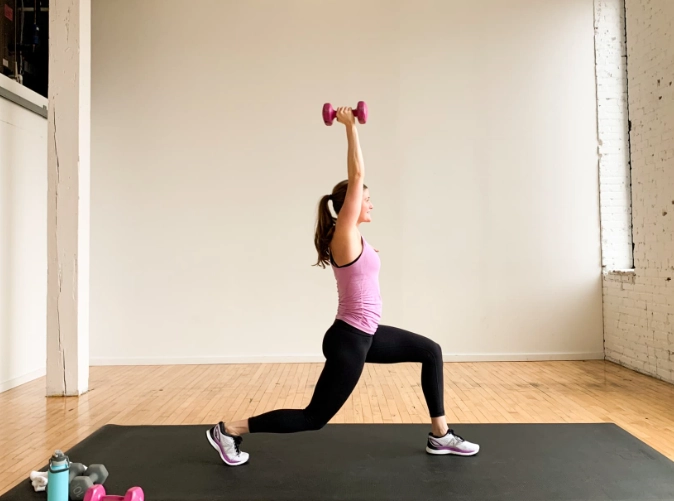
Leveling Up: Smart Ways to Use Resistance Bands and Dumbbells
Once bodyweight feels manageable, adding resistance prevents plateaus. Bands are fantastic for home workouts because they're portable and versatile.
Equipment Recommendations on a Budget
Don't overspend. For resistance bands, get a set with different tension levels (light, medium, heavy). Brands like TheraBand are reliable and often used in physical therapy. For dumbbells, I recommend starting with one pair of 5-10 lb weights, or better yet, adjustable ones that go from 5 to 25 lbs. You can find decent options on Amazon or at stores like Target.
Here's a simple band exercise to try: Banded Rows. Anchor the band to a door handle, hold the ends, step back to create tension, and pull your hands toward your ribs. It works your back, which is crucial for posture. Most women neglect back exercises, focusing only on the front, which can lead to imbalances.
Common Mistakes Even Savvy Beginners Make
After coaching women for years, I've spotted patterns. One subtle error is neglecting progressive overload. Your body adapts. If you keep doing the same 10 squats every week, you'll stop seeing changes. Progressive overload simply means gradually increasing the challenge—add a rep, slow down the movement, or use a heavier band.
Another mistake is skipping rest days. Muscles grow and repair during rest, not during the workout. Overtraining leads to fatigue and potential injury. Aim for at least one full rest day between strength sessions.
Finally, many women focus too much on isolated exercises like bicep curls. Compound movements—exercises that work multiple muscle groups at once, like squats and push-ups—are far more efficient for home strength training. They mimic real-world movements and burn more calories.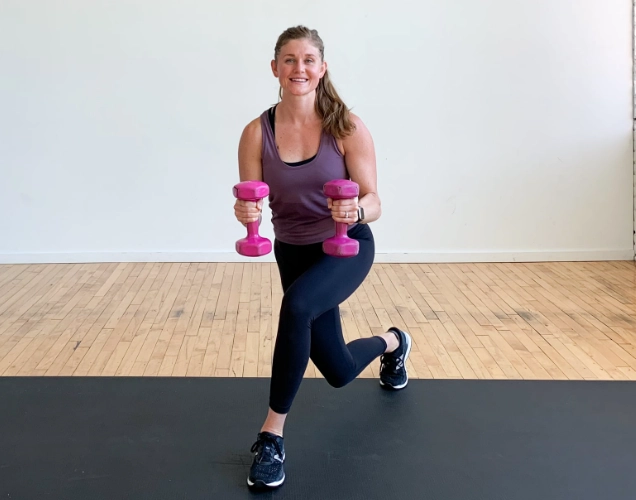
A 4-Week Strength Training Program You Can Actually Stick To
This program assumes you're a beginner. It's designed for three days a week (e.g., Monday, Wednesday, Friday), with each session taking 25-30 minutes.
| Week | Focus | Sample Workout Structure | Progression Tip |
|---|---|---|---|
| 1-2 | Foundation & Form | 3 circuits: 10 squats, 8 knee push-ups, 10 glute bridges, 30-sec plank. Rest 90s between circuits. | Focus on mastering movement patterns. Record yourself to check form. |
| 3-4 | Adding Intensity | 4 circuits: 12 squats, 10 push-ups (or progression), 12 lunges (each leg), 45-sec plank. Add banded rows for 10 reps. Rest 60s. | Increase reps or add one more circuit. Try a resistance band for squats. |
Feel free to swap exercises based on your preference, but keep the compound movement focus. If you miss a day, just pick up where you left off. Consistency over perfection.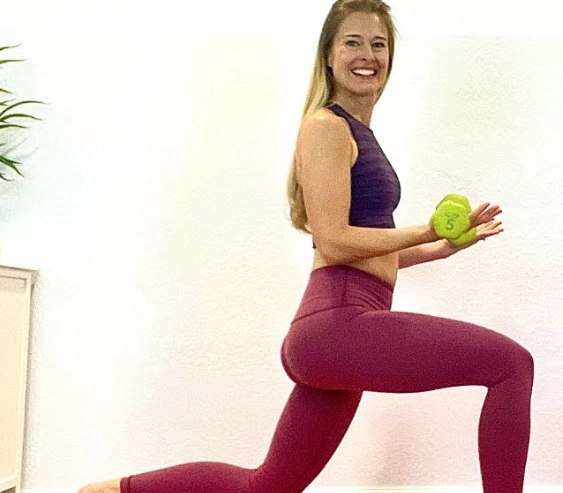
The Often-Ignored Keys: Nutrition and Recovery
You can't out-train a poor diet. For strength training, protein is your friend. It helps repair and build muscle. Aim for a protein source (like Greek yogurt, eggs, lentils, or chicken) in each meal. You don't need to count macros obsessively; just be mindful.
Hydration is critical. Dehydration can sap your energy and hinder performance. Drink water throughout the day, not just during workouts.
Sleep is where the magic happens. During deep sleep, your body releases growth hormone, essential for muscle recovery. Aim for 7-9 hours. I know it's tough, but even improving by 30 minutes can make a difference.
Active recovery on rest days, like a gentle walk or stretching, keeps blood flowing without stressing your muscles.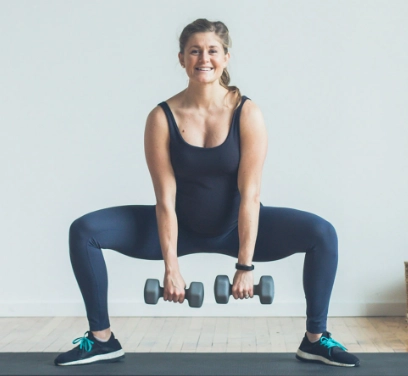


Leave a comment