Let's talk straight about osteoporosis prevention medication. It's not just for your grandmother. If you've had a DEXA scan showing low bone density (osteopenia) or other risk factors, your doctor might have mentioned these drugs. The decision can feel overwhelming. You hear about side effects, wonder if you really need it, and get conflicting advice from the internet. I've spent years in this field, and the biggest mistake I see is people treating medication as a magic bullet—or, conversely, fearing it so much they ignore a serious problem until a fracture happens. This guide cuts through the noise. We'll look at who actually needs these drugs, how they stack up, and the critical lifestyle pieces you can't afford to skip, even if you're on medication.
What You'll Find in This Guide
Who Really Needs Osteoporosis Prevention Medication?
This is the first and most important question. Not everyone with slightly low bone density needs a prescription. The decision is based on your fracture risk, not just a bone density number in isolation. Doctors use a tool called FRAX (from the University of Sheffield) that calculates your 10-year probability of a major osteoporotic fracture. Medication is typically recommended when this risk is high.
Think of it like this: a 55-year-old woman with osteopenia but no other risks might just need monitoring and lifestyle changes. But a 65-year-old woman with the same bone density who smokes, has a family history of hip fracture, and uses long-term corticosteroids? Her risk profile is completely different, and medication becomes a much more serious conversation.
Other strong indicators include long-term use of medications that leach calcium from bones (like prednisone or certain cancer treatments) or medical conditions like hyperparathyroidism or celiac disease that severely impair nutrient absorption.
How Do These Medications Actually Work?
Your bones are constantly remodeling. Cells called osteoclasts break down old bone (resorption), and cells called osteoblasts build new bone (formation). In osteoporosis, resorption outpaces formation. Prevention medications mainly work by slowing down the osteoclasts, the bone-breakers.
The Two Main Approaches
Antiresorptives: This is the largest class. They put the brakes on bone loss. It's like reducing the withdrawals from your bone bank account. This allows the natural, slower process of bone formation to catch up, leading to a net increase in density over time. Most drugs you've heard of—bisphosphonates, denosumab, even hormone therapy—fall here.
Anabolics: These are newer and work differently. Instead of just slowing breakdown, they actively stimulate osteoblasts to build new bone. It's like making additional deposits into your bone bank account. Teriparatide and romosozumab are examples. They're typically reserved for people with severe osteoporosis or those who fracture while on antiresorptive therapy.
A common misconception? That these drugs "heal" osteoporosis. They don't. They manage it. They shift the remodeling balance in your favor, reducing fracture risk significantly—by 40-70% for vertebral fractures, depending on the drug and patient. But the underlying tendency for imbalance remains, which is why ongoing management is key.
Comparing Your Medication Options
Let's get practical. Here’s a breakdown of the most commonly prescribed osteoporosis prevention medications. This isn't just a list of names; it's about understanding the trade-offs in administration, side effects, and typical use cases.
| Medication (Brand Examples) | Drug Class | How It's Taken | Key Considerations & My Observations |
|---|---|---|---|
| Alendronate (Fosamax), Risedronate (Actonel) | Bisphosphonate (Antiresorptive) | Weekly pill. Must be taken first thing in the morning, on an empty stomach, with a full glass of plain water. Must stay upright for 30-60 mins. | The workhorses. Generic, cost-effective. The strict dosing ritual is where people fail. Heartburn and esophageal irritation are real if instructions aren't followed perfectly. Not great for anyone with reflux or swallowing issues. |
| Zoledronic Acid (Reclast) | Bisphosphonate (Antiresorptive) | Once-yearly intravenous (IV) infusion. | A game-changer for adherence. No daily/weekly hassle. Common side effect: flu-like symptoms (aches, fever) for 1-3 days after the first infusion. Requires a clinic visit. Good option if you can't tolerate oral bisphosphonates. |
| Denosumab (Prolia) | Monoclonal Antibody (Antiresorptive) | Injection under the skin, every 6 months. | Very effective. The 6-month schedule is manageable. Critical warning: Stopping this drug abruptly can lead to rapid bone loss and even multiple vertebral fractures. You must commit to regular, on-time doses or have a clear transition plan with your doctor. |
| Teriparatide (Forteo), Abaloparatide (Tymlos) | Parathyroid Hormone Analog (Anabolic) | Daily self-injection for up to 2 years. | The bone builders. Used for highest-risk patients. Expensive. The daily injection is a commitment. Can cause dizziness or leg cramps. After the course, you must switch to an antiresorptive (like a bisphosphonate) to hold onto the gains. |
| Raloxifene (Evista) | SERM (Antiresorptive) | Daily pill. | Less potent for hip fracture prevention but reduces breast cancer risk. Can increase hot flashes and risk of blood clots. Often considered for postmenopausal women with osteopenia/osteoporosis and significant breast cancer concerns. |
Choosing one isn't just about efficacy. It's a conversation about your lifestyle, your ability to adhere to complex instructions, your other health conditions, and your personal risk tolerance. The "best" drug is the one you will take correctly and consistently.
What Your Medication Can't Do: The Lifestyle Non-Negotiables
Here's my biggest gripe with how this is often presented: the pill or shot gets all the attention, while the foundational work gets a footnote. Medication without a solid lifestyle foundation is like building a house on sand.
1. Nutrition is Not Optional. You can't out-medicate a terrible diet. Calcium and Vitamin D are the raw materials. If you're not getting enough, the medication has less to work with. Aim for 1200 mg of calcium (from diet first, supplements to fill gaps) and 800-2000 IU of Vitamin D daily. A blood test can check your D level. Protein is also crucial for muscle and bone strength—something many older adults don't get enough of.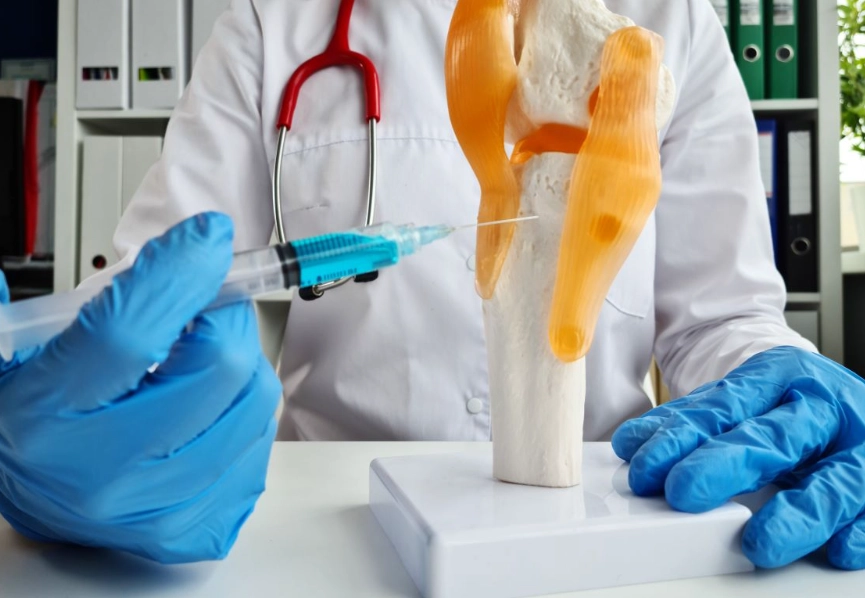
2. Exercise is the Active Partner. Bone responds to stress. Weight-bearing and resistance exercises are non-negotiable. Walking is good, but it's not enough. You need to challenge your bones. Think brisk walking, stair climbing, dancing, lifting weights, using resistance bands. Balance exercises (like tai chi) are equally critical to prevent the falls that lead to fractures.
3. The Danger Zones to Avoid. Smoking and excessive alcohol (more than 2 drinks a day) directly poison bone-building cells. They undermine every dollar and effort you put into medication and diet.
I've seen patients on powerful drugs still lose ground because they were sedentary and undernourished. The medication is the assistant coach; you are the head coach.
Your Top Questions, Answered Honestly
I was just diagnosed with osteopenia. Do I need to start medication immediately?
Probably not. Osteopenia is a warning sign, not an automatic prescription. The first step is a thorough risk assessment (like the FRAX tool) with your doctor. For many, this is the wake-up call to aggressively implement lifestyle changes—improving diet, starting a targeted exercise program, quitting smoking. Your doctor will likely repeat a DEXA scan in 1-2 years to see if your bone density is stable, improving with lifestyle, or declining. Medication enters the conversation if your risk is high or if you continue to lose bone despite good lifestyle habits.
I'm terrified of the rare side effect of jaw problems (osteonecrosis) I read about with bisphosphonates. How real is this risk?
The fear often outweighs the actual risk for people taking these drugs for osteoporosis prevention. This side effect is extremely rare in the osteoporosis dosing context (estimated at less than 1 in 100,000 patient-years). It's vastly more common in cancer patients receiving much higher, frequent IV doses. Good oral hygiene and a dental check-up before starting long-term therapy are wise precautions. Letting a high fracture risk go untreated because of this fear is, in my view, a far greater danger to your health and independence.
How long do I have to be on osteoporosis prevention medication? Is it for life?
This is evolving. The old "forever" model is changing. For bisphosphonates, there's a concept of a "drug holiday." After 3-5 years (for oral) or 3 years (for IV zoledronic acid) of treatment, if your fracture risk is no longer high, your doctor may suggest a pause. The drug stays in your bone and provides protection for some time. Your bone density and markers are monitored, and treatment can be re-started if needed. This strategy helps minimize any potential long-term risks. For drugs like denosumab, there is no holiday—stopping leads to rapid reversal of benefit, so the treatment plan is different.
My mother had osteoporosis and hated her medication because of stomach issues. Does that mean I'll have the same experience?
Not necessarily. First, we have many more options now than even 10 years ago. If oral bisphosphonates caused her issues, you could try the once-yearly IV version or the 6-month injection (denosumab), which bypass the stomach entirely. Second, proper technique with the oral pills reduces side effects dramatically. Communicate your family history and concerns clearly to your doctor. Your treatment plan should be personalized, not a repeat of hers.


Leave a comment