Let's cut to the chase. You've probably heard "it takes two" a thousand times, but when it comes to fertility struggles, the focus often lands squarely on the female partner. That's a massive oversight. Male factors are the sole or contributing cause in about 40-50% of infertility cases. If you're reading this, you might be feeling frustrated, confused, or even a bit isolated. I've been in the clinic for over a decade, and I can tell you the first step out of that fog is understanding what you're dealing with. This isn't just about low sperm count; it's a complex puzzle involving hormones, anatomy, lifestyle, and sometimes just plain bad luck. This guide walks you through the entire journey, from that first awkward semen analysis to the advanced medical procedures that can help you build your family.
Quick Navigation: What You'll Find Here
Getting a Diagnosis: The First Real Step
You can't fix what you don't measure. The cornerstone of male infertility treatment is a proper workup. This usually starts with a semen analysis. Don't stress about the sample collection—every clinic has seen it all. They're looking at volume, concentration (sperm count), motility (how well they swim), and morphology (shape). A single abnormal result isn't a life sentence; you'll typically need two tests, spaced a few weeks apart, to confirm a pattern.
But here's a mistake I see all the time: stopping at the semen analysis. It's just a snapshot. The real detective work comes next. Your urologist or reproductive specialist will want a full history and physical exam. They'll ask about childhood illnesses (like undescended testicles), past surgeries (hernia repairs can sometimes affect things), infections, and your current health. They'll also check for a varicocele, which is a swelling of the veins in the scrotum—it's the most common reversible cause of male infertility.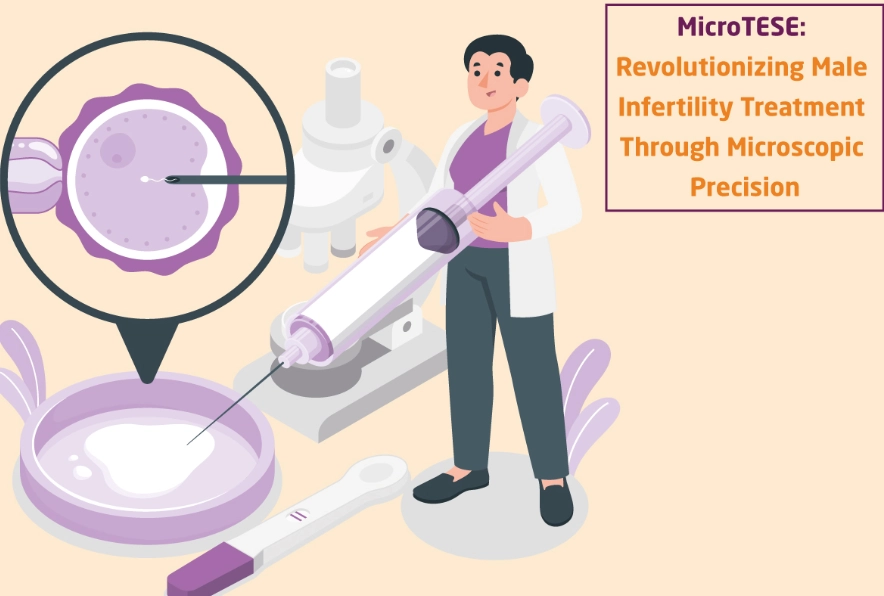
Beyond the Basic Test: What Your Doctor Should Check
A thorough diagnosis often includes:
Hormone blood tests: Checking testosterone, FSH, and LH levels can reveal if the issue is production-related.
Post-ejaculation urinalysis: To rule out retrograde ejaculation (where semen goes into the bladder).
Genetic testing: Recommended if sperm concentration is extremely low, to check for conditions like Klinefelter syndrome or Y-chromosome microdeletions.
Testicular ultrasound: To get a clear picture of the structures and confirm a varicocele.
The Foundation: Lifestyle Changes That Actually Matter
Before we jump to expensive medical procedures, let's talk about what you can control. This isn't just generic "live healthy" advice. Specific changes have a documented impact on sperm parameters. The problem is, most guys get a list and try to do everything at once, get overwhelmed, and give up.
My advice? Pick two to start with. Make them habits, then add more.
Heat and Toxins: The Silent Sperm Killers
Your testicles are outside your body for a reason—they need to be cooler. Prolonged heat exposure is a real problem. That means swapping tight underwear for loose boxers, avoiding long hot baths and saunas, and being mindful of laptop heat on your lap. It's a simple, no-cost fix that many overlook.
Then there's what you put in your body. Smoking tobacco or marijuana significantly lowers sperm count and motility. Heavy alcohol use does the same. I'm not saying you need to be a monk, but cutting back or quitting is one of the most effective non-medical interventions. Environmental toxins like pesticides and heavy metals (found in some workplaces) are also culprits—use protective gear if needed.
Diet, Exercise, and Stress: The Trifecta
A Mediterranean-style diet rich in antioxidants (think colorful fruits, vegetables, nuts, fish) is your friend. There's solid research linking it to better sperm quality. Obesity messes with your hormones, so getting to a healthy weight matters. But don't overdo it—extreme, intense exercise (like marathon training) can sometimes backfire.
The biggest lifestyle factor that gets underestimated? Chronic stress. It can lower testosterone and sperm production. Finding a sustainable way to manage it—whether through exercise, meditation, therapy, or a hobby—isn't just good for your mental health; it's part of the fertility treatment plan.
Medical and Surgical Treatment Options
When lifestyle changes aren't enough, or when there's a clear anatomical or hormonal issue, medical treatments come into play. These are targeted solutions for specific diagnoses.
| Treatment | Best For | What It Involves | Typical Goal |
|---|---|---|---|
| Varicocele Repair (Varicocelectomy) | Men with a palpable varicocele and abnormal semen analysis. | A minor outpatient surgery to tie off the enlarged veins. Can be done via open surgery, laparoscopy, or percutaneous embolization. | Improve sperm count, motility, and morphology. May take 3-6 months to see full effect. |
| Hormone Therapy | Men with diagnosed hormonal imbalances (e.g., low testosterone, high prolactin). | Medications like Clomiphene Citrate, hCG injections, or aromatase inhibitors to stimulate the body's own sperm production. | Correct the underlying hormonal issue to boost sperm production. |
| Antibiotic Treatment | Infertility linked to a genital tract infection (e.g., prostatitis). | A course of specific antibiotics to clear the infection. | Reduce inflammation and improve semen quality. |
| Sperm Retrieval Techniques (TESA, TESE, MicroTESE) | Men with obstructive azoospermia (blockage) or non-obstructive azoospermia (production problem). | Minor surgical procedures to extract sperm directly from the testicle or epididymis. | Obtain viable sperm for use with IVF/ICSI. |
Let's zoom in on varicocele repair for a second. It's one of the few surgeries proven to improve natural fertility. Success isn't guaranteed, but studies from the American Urological Association show it can lead to significant improvements in semen parameters and increased pregnancy rates for couples. The key is proper patient selection—it works best for guys with a clear, palpable varicocele and otherwise unexplained abnormal semen.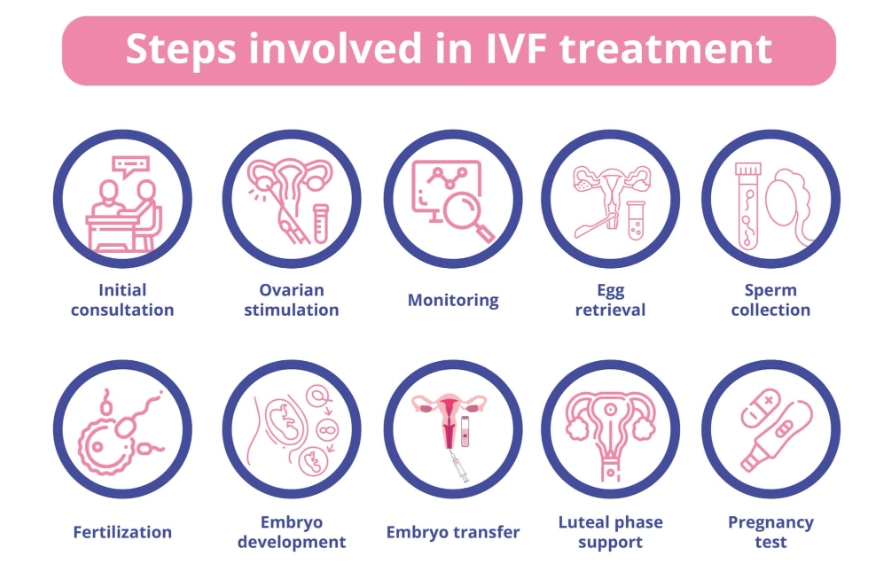
When to Consider Assisted Reproductive Technology (ART)
Sometimes, the goal shifts from fixing the problem to working around it. That's where ART comes in. This isn't a failure; it's a powerful toolkit.
Intrauterine Insemination (IUI)
Think of IUI as a "turbocharged" natural conception. After washing and concentrating the sperm in the lab, they're placed directly into the uterus around ovulation. It's relatively low-tech and less expensive. It's a good option for mild male factor issues (like slightly low count or motility) when the female partner's fertility is normal. Success rates per cycle are modest, often in the 10-20% range, so it may take several tries.
In Vitro Fertilization (IVF) with ICSI
This is the game-changer for severe male factor infertility. IVF involves retrieving eggs from the female partner. Then, instead of letting sperm and egg mingle in a dish, a single sperm is injected directly into an egg using a technique called Intracytoplasmic Sperm Injection (ICSI).
ICSI has revolutionized treatment for men with extremely low sperm counts, poor motility, or high abnormal morphology. It's also the essential next step when sperm is retrieved surgically (via TESE or MicroTESE). The success rates here are largely tied to the age and egg quality of the female partner, as the fertilization hurdle is overcome.
MicroTESE deserves a special mention. For men with non-obstructive azoospermia (where no sperm are in the ejaculate due to a production problem), a skilled urologist uses an operating microscope to search for pockets of sperm production within the testicle. Finding sperm for ICSI is possible in about 50-60% of cases, offering a chance at biological parenthood where none existed before.
The Practical Side: Cost, Success Rates, and Next Steps
Let's talk numbers, because they matter. A varicocele repair might cost a few thousand dollars. A single IUI cycle can range from $500 to $4,000. A full IVF cycle with ICSI? That's often $15,000 to $30,000 out-of-pocket in the US, not including medications. Insurance coverage is a patchwork—some states mandate it, many don't. Your first call should be to your insurance provider.
Success rates are tricky. They depend on your specific diagnosis, your partner's age and fertility, the clinic's expertise, and plain luck. Don't just look at a clinic's "pregnancy rate"—ask for their live birth rate per cycle for patients with a similar diagnosis to yours. Data from the Society for Assisted Reproductive Technology (SART) is a good place to start your research.
Your next step is finding the right team. Look for a board-certified reproductive urologist (for the male side) and a reproductive endocrinologist (for the female side/ART). They should work together or be in close communication. Come to your first appointment prepared: bring any past test results, a list of medications, and your questions.
Your Questions Answered
 We're considering IVF with ICSI. I'm worried about passing on fertility problems or genetic issues to my child.

Leave a comment