Let's be honest, the first few weeks of breastfeeding a newborn can feel like you've been handed a complex puzzle without the picture on the box. You're told it's "natural," but that doesn't mean it's instantly easy. I remember sitting in the nursery at 3 AM, my daughter fussing, me sore and wondering what on earth I was doing wrong. The truth is, successful breastfeeding is a learned skill—for both you and your baby. This guide cuts through the overwhelming advice and gives you the practical, actionable breastfeeding tips for newborns that actually work, helping you build confidence one feeding at a time.
Your Quick Navigation Guide
Getting the Latch Right (It's Everything)
A good latch is the single most important factor for comfortable and effective breastfeeding. A shallow latch is the root cause of most nipple pain and poor milk transfer. Forget the old "just pop it in" advice. It's a specific maneuver.
Here's the breakdown most lactation consultants wish you'd see before leaving the hospital:
The Step-by-Step Latch Technique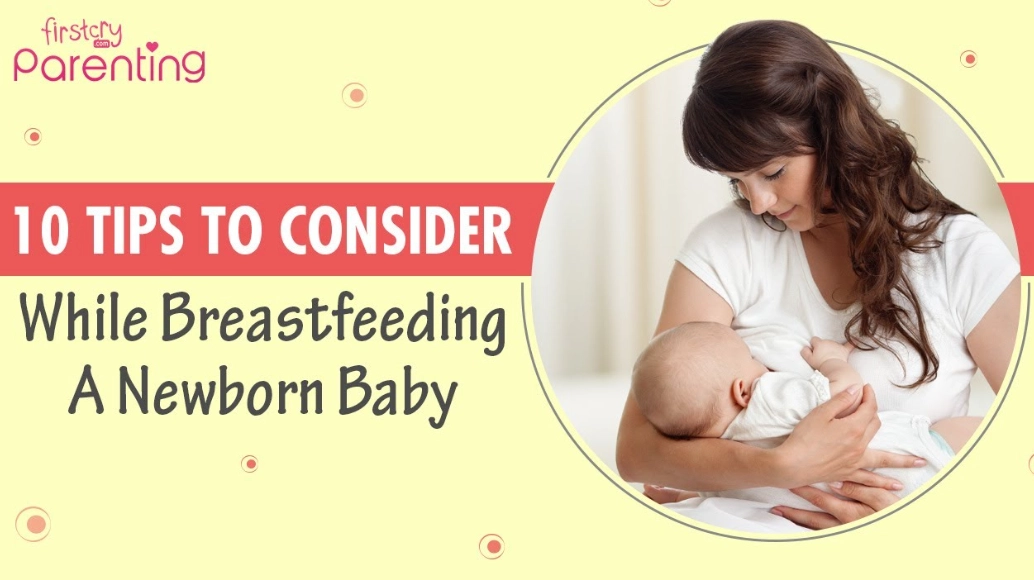
Hold your baby close, tummy to tummy. Wait for a wide, gaping yawn—don't settle for a little peck. Aim your nipple toward the roof of their mouth. As they open wide, bring them to you quickly and decisively, not your breast to them. You want a mouthful of breast, not just nipple.
What a Good Latch Feels and Looks Like
It shouldn't hurt. A brief tugging or pulling sensation is normal, but pinching or sharp pain means the latch is shallow. Their lips should be flanged out like a fish, not tucked in. You'll see more of the areola above their top lip than below. And listen for swallowing sounds—gentle "kuh" sounds, not just clicking.
How Often and How Long to Feed?
Throw out the idea of a strict 3-hour schedule for a newborn. Their stomach is tiny, about the size of a cherry on day one, and your early milk (colostrum) is dense but low in volume. Frequent feeding is the design.
Feed on demand. This means watching your baby, not the clock. In the first few weeks, 8 to 12 feedings in 24 hours is typical. That's every 2 to 3 hours, counting from the start of one feed to the start of the next. Yes, that includes the night. This frequent stimulation is crucial for building your milk supply.
Duration varies wildly. Let your baby finish the first breast completely—they'll come off on their own or fall into a deep, relaxed sleep. Then offer the second side. They may take it, or they may not. Next feed, start on the side they finished with last.
Is My Baby Getting Enough? The Real Signs
This is the number one anxiety for new breastfeeding parents. You can't see the ounces going in, so you have to become a detective. Ditch the obsession with weighted feeds unless there's a medical concern. Look for these concrete outputs instead.
| Day 1-2 | Day 3-5 | Day 6+ |
|---|---|---|
| 1-2 wet diapers (dark urine) | 3-5 wet diapers (lightening urine) | 6+ heavy wet diapers with pale urine |
| 1+ sticky, black/green meconium poop | 2-3 transitional green/brown stools | 3+ seedy, mustard-yellow stools (size of a quarter or larger) |
| Baby is alert for some periods | Breasts feel fuller, milk "comes in" | Audible swallowing during feeds |
Weight gain is the ultimate sign. Most babies lose up to 7-10% of birth weight in the first few days but should regain it by 10-14 days. Your pediatrician will track this.
Here's a subtle sign we don't talk about enough: the "milk drunk" face. After a good feed, your newborn's hands will be open and relaxed, not clenched, and their body will be loose and heavy in your arms.
Troubleshooting Common Newborn Feeding Problems
Problems will pop up. Expecting them takes away some of the panic. Here's how to handle the big three.
Engorgement (Rock Hard, Painful Breasts): This usually hits around days 3-5. Feed frequently. Before a feed, apply warm compresses or take a warm shower to encourage let-down. If the breast is so full the areola is hard, hand-express or pump for a minute or two just to soften it so baby can latch. After feeding, use cold packs (like frozen peas wrapped in a towel) for 15 minutes to reduce swelling.
Sore or Cracked Nipples: Almost always a latch issue. Review the latch steps. Let breast milk dry on your nipples after feeding—it's a great healer. Use ultra-pure lanolin or a hydrogel pad between feeds. If the pain is severe or you see a white patch, you might have a blocked duct or thrush, which needs different treatment.
Sleepy Baby: Newborns are sleepy, especially in the first 24 hours. Undress them to a diaper for skin-to-skin contact. Tickle their feet, stroke their back, or gently rub their head to keep them awake and feeding. Switch sides frequently to re-stimulate them.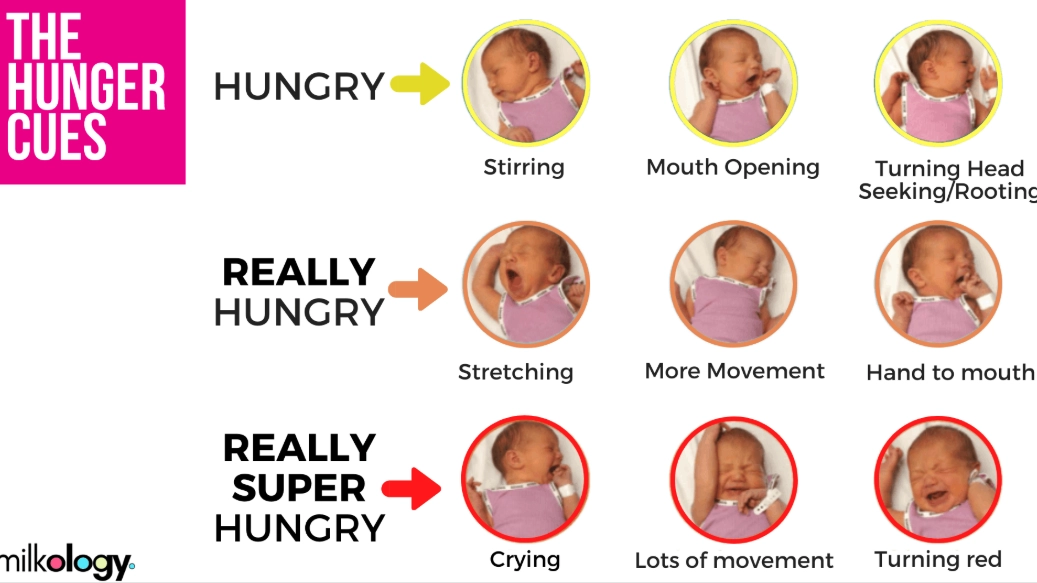
A Simple Guide to Storing Your Liquid Gold
Whether you're pumping for a stash or just saving an occasional bottle, safe storage is key. The guidelines from the Centers for Disease Control and Prevention (CDC) are your bible here.
- Room Temperature (up to 77°F/25°C): 4 hours. I'd play it safe and aim for 2-3 hours, especially in a warm room.
- Refrigerator (39°F/4°C or colder): 4 days. Store it in the back, not the door.
- Freezer (0°F/-18°C or colder): 6 months is ideal, up to 12 months is acceptable. Use airtight bags or containers meant for freezing.
Thaw frozen milk overnight in the fridge or by placing the container in warm water. Never microwave it—it destroys nutrients and creates dangerous hot spots. Once thawed, use within 24 hours and never re-freeze.
Your Top Breastfeeding Questions, Answered
 Is it normal for my breastfed newborn to go several days without a bowel movement after the first month?




Leave a comment