If you're a woman who's been dieting, exercising, and still watching the scale creep up for no clear reason, you're not imagining things, and you're certainly not alone. That stubborn, unexplained weight gain is one of the most common and frustrating signs of a thyroid problem. For many, it's the first red flag that something deeper is off. The link between your thyroid gland and your metabolism is direct and powerful. When the thyroid underperforms—a condition called hypothyroidism—your entire metabolic engine slows down. But here's the crucial part most articles miss: it's not just about burning fewer calories. The weight gain from thyroid issues is a complex mix of water retention, changes in how your body processes fuel, and often, a cascade of other symptoms that make losing weight feel impossible. Let's cut through the noise and look at what's really happening, and more importantly, what you can actually do about it.
What's Inside This Guide?
- How Your Thyroid Controls Your Weight (And What Goes Wrong)
- How to Know If Your Thyroid Is Causing Weight Gain: Key Symptoms Beyond the Scale
- Getting the Right Diagnosis: It's More Than Just a TSH Test
- The Realistic Path to Managing Thyroid Weight Gain
- Common Pitfalls and Expert Tips for Long-Term Success
- Your Thyroid Weight Gain Questions, Answered
How Your Thyroid Controls Your Weight (And What Goes Wrong)
Think of your thyroid gland as your body's thermostat. It produces hormones—primarily T4 (thyroxine) and T3 (triiodothyronine)—that set the metabolic rate for every single cell. They tell your cells how fast to convert oxygen and calories into energy. When thyroid hormone levels are optimal, your metabolism hums along.
In hypothyroidism, the gland doesn't produce enough hormones. The thermostat gets stuck on "low." Your basal metabolic rate (BMR)—the calories you burn just existing—drops. But the story doesn't end with "you burn fewer calories, so you gain weight." That's an oversimplification.
The weight gain is often moderate, typically 5 to 20 pounds, but it feels disproportionate and stubborn. Why?
Fluid Retention: Thyroid hormones help regulate how your body uses salts and fluids. Low levels can lead to an accumulation of mucopolysaccharides (a type of sugar-protein) in the tissues, which bind to water. This causes a puffy, water-logged type of weight gain, often noticeable in the face, hands, and ankles.
Slowed Digestion: Your gut motility decreases. Food moves slower, which can lead to bloating, constipation, and that feeling of being "backed up," adding to the scale number and the discomfort.
Energy Crisis: With less cellular energy being produced, fatigue sets in. You're too tired to exercise, and your body may start preferentially storing calories as fat because it perceives a state of low energy availability.
Hormonal Cross-Talk: Thyroid dysfunction can throw other hormones like insulin and cortisol out of balance, making your body more prone to storing fat, particularly around the abdomen.
How to Know If Your Thyroid Is Causing Weight Gain: Key Symptoms Beyond the Scale
Unexplained weight gain rarely travels alone. If it's thyroid-related, it usually brings a cluster of other telltale signs. If you're experiencing the weight gain plus several of the following, it's a strong signal to get your thyroid checked.
Persistent Fatigue and Low Energy: This isn't normal tiredness. It's a deep, unshakable exhaustion that sleep doesn't fix. You might feel like you're moving through molasses.
Feeling Cold All the Time: While others are comfortable, you're reaching for a sweater. Cold hands and feet are classic because a slow metabolism reduces heat production.
Hair and Skin Changes: Hair may become dry, brittle, and thin, especially the outer third of your eyebrows. Skin can get dry, rough, and pale.
Brain Fog and Mood Shifts: Trouble concentrating, memory lapses, and a general mental sluggishness are common. Depression and low mood are also frequently linked.
Muscle Aches and Weakness: Unexplained aches, stiffness, and a sense of general weakness can occur.
Heavy or Irregular Periods: Thyroid hormones directly affect the menstrual cycle. Hypothyroidism can cause heavier, more frequent, or more painful periods.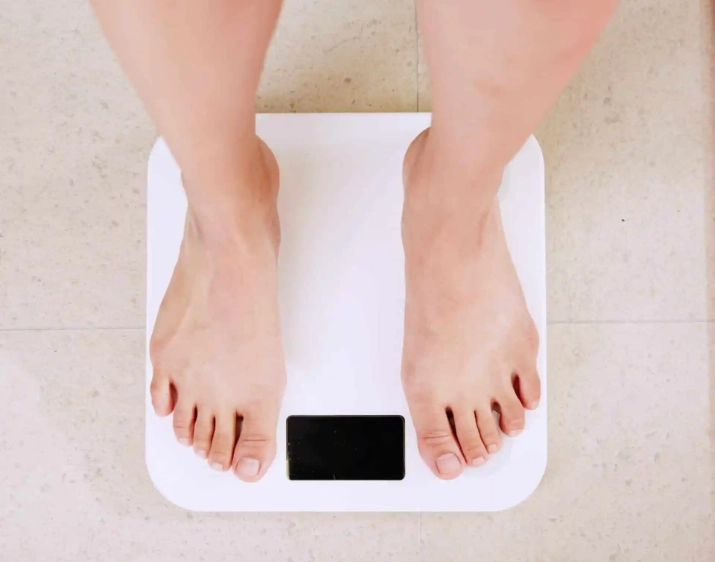
Getting the Right Diagnosis: It's More Than Just a TSH Test
This is where many women hit a roadblock. You ask for a thyroid test, your doctor checks TSH (Thyroid Stimulating Hormone), and says it's "normal." But you still feel awful. The problem is that a standard TSH test is a starting point, not the whole picture.
To truly understand your thyroid function, you need a full panel. Here’s what to ask for:
| Test | What It Measures | Why It's Important |
|---|---|---|
| TSH | Pituitary hormone that signals the thyroid. | High TSH usually indicates an underactive thyroid. But "normal" lab ranges (often 0.4-4.5 mIU/L) are broad. |
| Free T4 | The inactive thyroid hormone produced by the gland. | Shows how much raw material your thyroid is making. Low Free T4 confirms hypothyroidism. |
| Free T3 | The active thyroid hormone your cells use. | Critical! Some people convert T4 to T3 poorly. You can have normal T4 but low T3, leaving you symptomatic. |
| Thyroid Antibodies (TPO & TgAb) | Markers of autoimmune attack. | Hashimoto's disease (the most common cause of hypothyroidism) is autoimmune. You can have elevated antibodies for years before TSH rises. |
I've seen clients for years who were told everything was fine based on TSH alone. When we finally ran antibodies and Free T3, the picture became clear: early-stage Hashimoto's or a conversion issue. Resources from the American Thyroid Association and the Mayo Clinic confirm the importance of comprehensive testing for accurate diagnosis.
The Realistic Path to Managing Thyroid Weight Gain
Managing weight with a thyroid condition isn't about crash diets. It's a marathon, not a sprint, focused on supporting your body's systems. Here’s a multi-pronged approach.
1. Medical Treatment: The Non-Negotiable Foundation
If you are diagnosed with hypothyroidism, thyroid hormone replacement medication (like levothyroxine) is essential. It's not a weight-loss drug; it's bringing your metabolism back to baseline. The goal is to find the precise dose that makes your symptoms, including the weight, manageable. This requires patience and regular follow-up blood tests (aim for every 6-8 weeks after a dose change). Don't expect the first dose to be perfect.
2. Nutritional Strategies That Actually Work
Forget extreme calorie restriction. It will backfire by further slowing your metabolism and stressing your system. Focus on nutrient density and supporting thyroid function.
Prioritize Protein: It has a higher thermic effect (burns more calories during digestion) and helps preserve muscle mass, which is crucial for metabolism. Include a source with every meal.
Don't Fear Healthy Fats: Your thyroid and hormones need fats, especially cholesterol, to function. Avocados, olive oil, nuts, seeds, and fatty fish are your friends.
Mind Your Micronutrients: Key players include Selenium (Brazil nuts, tuna) for T4 to T3 conversion, Zinc (pumpkin seeds, lentils), and Iron (red meat, spinach)—iron deficiency impairs thyroid function.
Consider Goitrogens: Foods like raw cruciferous veggies (kale, broccoli) and soy can interfere with iodine uptake in large, raw amounts. Cooking them neutralizes most of this effect. Unless you're eating massive amounts daily, they're generally not a problem for most.
3. Movement: Gentle Consistency Over Intensity
When you're fatigued, high-intensity workouts can be too stressful. Chronic stress raises cortisol, which can worsen thyroid function and promote belly fat storage.
Start with walking, swimming, yoga, or light strength training. Consistency is the goal—30 minutes most days. Building lean muscle is one of the best ways to gently boost your resting metabolic rate over time.
4. Stress and Sleep: The Hidden Levers
You cannot out-supplement or out-exercise high stress and poor sleep. Chronic stress dysregulates the HPA axis (your stress response system), which directly talks to your thyroid axis. Prioritize 7-9 hours of quality sleep and incorporate stress-reduction practices like meditation, deep breathing, or simply saying "no" more often.
Common Pitfalls and Expert Tips for Long-Term Success
After working with hundreds of women on this journey, I see the same mistakes.
Pitfall 1: Taking thyroid medication with coffee or calcium supplements. It significantly reduces absorption. Take it on an empty stomach with water only, and wait at least 60 minutes before eating or drinking anything else.
Pitfall 2: Chasing quick fixes with untested supplements. While selenium and zinc can help, mega-dosing iodine without knowing your status can trigger or worsen autoimmune thyroiditis (Hashimoto's).
Pitfall 3: Giving up after 2 weeks. Thyroid healing and weight normalization are slow. It can take 3-6 months on the right medication dose and lifestyle plan to see steady changes. Measure progress in how your clothes fit, your energy levels, and reduced puffiness, not just the scale.
My non-consensus tip: Pay attention to your magnesium levels. It's involved in over 300 enzymatic reactions, including thyroid hormone production. Modern diets are often deficient. Adding a magnesium glycinate supplement (200-400mg daily) can improve sleep, reduce muscle cramps, and support metabolic health with minimal downside.



Leave a comment