Let's be real. Anti aging tips for 50s aren't about chasing your 30-year-old self. That ship has sailed, and honestly, good riddance to some of the baggage it carried. The goal now is different. It's about thriving in the skin and body you're in today. It's about energy, strength, mental clarity, and yes, looking as vibrant as you feel. The good news? Your 50s can be a powerhouse decade if you shift your strategy. Forget quick fixes; this is about sustainable, science-backed habits that compound over time.
What’s Inside This Guide?
The 50s Reality Check: Hormonal shifts (especially menopause for women, andropause for men) change the game. Collagen production drops significantly. Metabolism isn't what it was. Recovery takes longer. The anti aging tips that worked in your 40s need a serious upgrade. The biggest mistake I see? People doing more of the same but getting frustrated with less results. You need a different playbook.
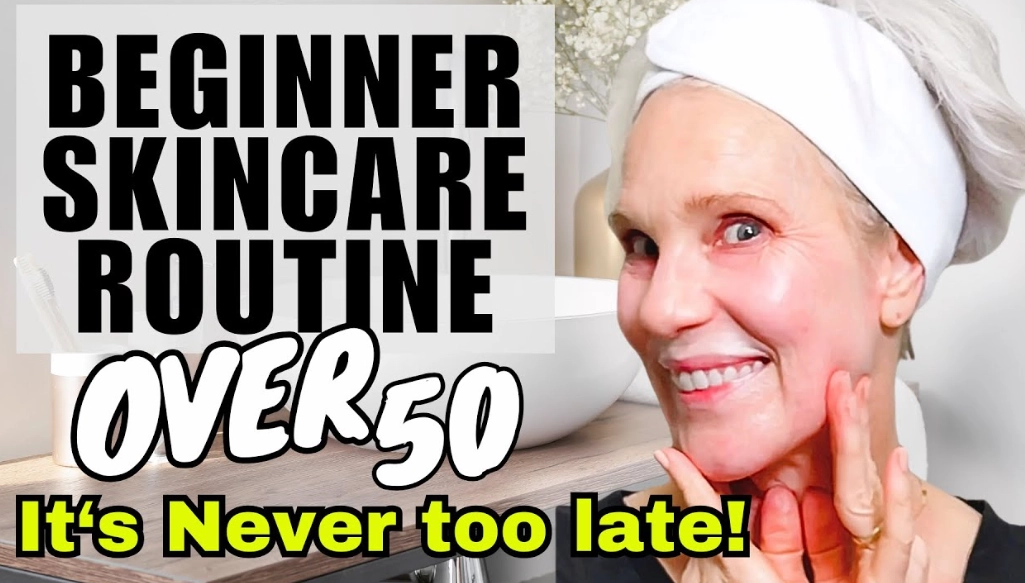
The Non-Negotiable Skin Care Shift After 50
Your skin's needs post-50 are specific. Dryness increases, elasticity decreases, and past sun damage often starts to surface. A common error is piling on rich creams but neglecting the foundational step that matters most.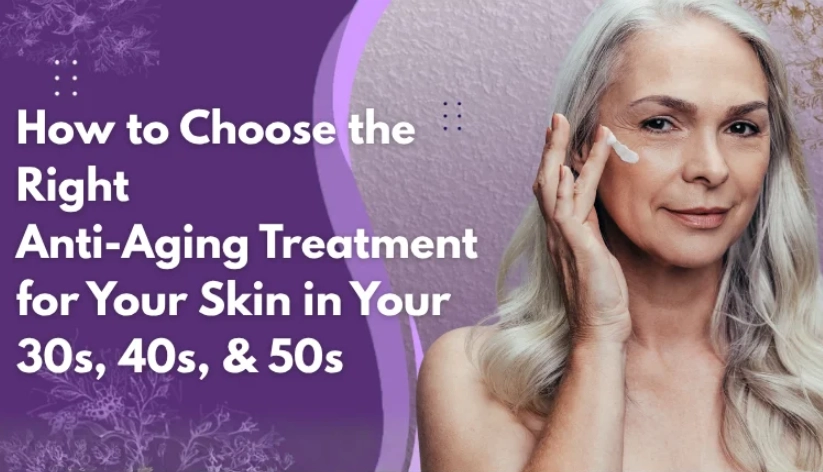
Sun Protection Is Your #1 Anti-Aging Product
I don't care how good your serum is. If you're not using a broad-spectrum SPF 30+ every single day, you're undermining everything else. This isn't just for the beach. It's for driving, sitting by a window, and walking the dog. UV rays break down collagen and elastin daily. Mineral sunscreens with zinc oxide are fantastic for mature, potentially more sensitive skin. Find one you like enough to use. This is non-negotiable.
Actives That Deliver Results (Skip the Hype)
The ingredient world is noisy. Focus on these proven ones:
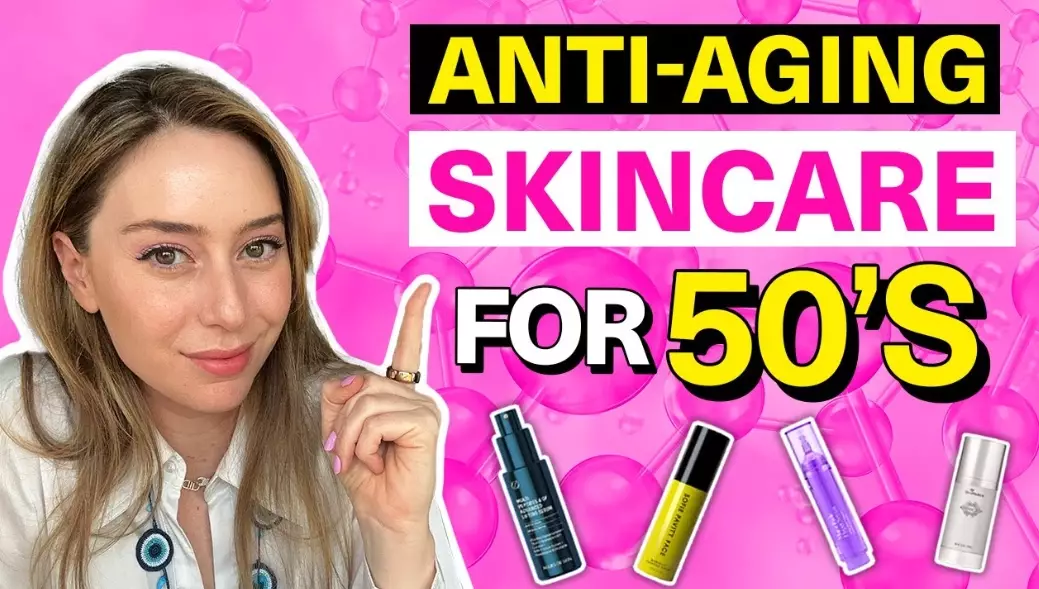
- Retinoids (Retinol/Retinal/ Prescription Tretinoin): The gold standard for stimulating collagen, speeding cell turnover, and smoothing wrinkles. Start low (0.1% retinol) and slow (2-3 nights a week). The purge or irritation phase is real—persist through it with patience and moisturizer.
- Vitamin C (L-ascorbic acid): A potent antioxidant that fights free radicals from pollution and UV, brightens skin, and helps with collagen synthesis. Use it in the morning under sunscreen for a double shield.
- Peptides: These are the messengers that signal your skin to produce more collagen. They're gentle and great for daily use in serums or moisturizers.
- Hyaluronic Acid: A hydration magnet. Look for it in serums applied to damp skin, then sealed with a moisturizer.
My friend Sarah spent a fortune on a trendy "natural" oil blend but skipped sunscreen and actives. After six months of no change, she switched to a simple routine of vitamin C serum, moisturizer with peptides, and daily SPF. Within three months, the difference in her skin's firmness and brightness was undeniable.
Nutrition: Beyond Just Eating "Healthy"
"Eat a balanced diet" is useless advice. What does that even mean at 55? Your body's protein synthesis becomes less efficient, bone density needs support, and inflammation is public enemy number one.
| Nutrient Focus | Why It Matters Now | Practical, Specific Sources |
|---|---|---|
| Protein | Preserves muscle mass (crucial for metabolism & strength), supports skin & hair health. Aim for 1.2-1.6g per kg of body weight daily. | 30g of protein per meal. Example: 120g chicken breast, 1 cup Greek yogurt, 1 scoop protein powder in a smoothie, 2 eggs + 1 cup cottage cheese. |
| Calcium & Vitamin D | Bone health is paramount. Vitamin D also supports immune function and mood. | Dairy, fortified plant milks, sardines with bones. Get sunlight (15 mins/day) and consider a D3 supplement (get levels checked). |
| Omega-3 Fatty Acids | Fights systemic inflammation, supports brain and heart health, may improve skin hydration. | Fatty fish (salmon, mackerel) 2x/week, walnuts, chia/flax seeds, or a high-quality fish oil supplement. |
| Fiber | Gut health is linked to everything from immunity to inflammation to skin. Helps manage weight and blood sugar. | Aim for 30g/day. Think: 1 cup lentils (15g), 1 pear (6g), 1 cup broccoli (5g), ¼ cup almonds (4g). |
A major blind spot? Hydration. Skin, joints, digestion, and cognitive function all suffer when you're even mildly dehydrated. Carry a water bottle. Herbal teas count. If your urine isn't pale yellow, drink more.
Movement That Actually Builds Resilience
Crash diets and marathon cardio sessions are out. They burn muscle and spike cortisol, which can age you faster. The new fitness trifecta for your 50s is strength, stability, and consistency.
Strength Training is Non-Optional
Lifting weights (or using resistance bands) is the single most effective thing you can do to combat sarcopenia (age-related muscle loss). More muscle means a higher resting metabolism, better glucose control, stronger bones, and a body that functions independently. You don't need a gym. Two 30-minute sessions a week focusing on squats, push-ups (modified is fine), rows, and lunges can be transformative.
Don't Just Stretch—Mobilize
Stiffness creeps in. Instead of passive stretching, try dynamic mobility work. Cat-cows, hip circles, and shoulder rolls. Yoga and Pilates are excellent for building core strength and body awareness, which prevents falls—a serious concern as we age.
My own wake-up call was a nagging knee pain. I was running but ignoring strength. A physio told me my glutes were "asleep." Two months of targeted glute and quad strengthening (hello, banded bridges) eliminated the pain better than any anti-inflammatory ever did.
Sleep: Your Secret Recovery Weapon
This is where your body repairs cells, clears brain toxins, and balances hormones. Poor sleep directly accelerates aging signs—puffy eyes, dull skin, weight gain, and brain fog. Hot flashes and anxiety can wreck sleep in your 50s.
Forget counting sheep. Focus on sleep hygiene:
- Cool & Dark: Lower your bedroom temperature. Use blackout curtains. Your body needs to drop its core temp to initiate sleep.
- Digital Sunset: Blue light from screens suppresses melatonin. Try to put devices away 60-90 minutes before bed. Read a physical book instead.
- Consistent Schedule: Go to bed and wake up at roughly the same time, even on weekends. This regulates your circadian rhythm.
- Wind-Down Ritual: A cup of caffeine-free tea, 5 minutes of deep breathing, or gentle stretching signals to your nervous system that it's safe to power down.
Mindset & Stress: The Invisible Accelerators
Chronic stress floods your body with cortisol. High cortisol breaks down collagen, promotes belly fat storage, weakens the immune system, and clouds thinking. Managing stress isn't fluffy self-care; it's cellular protection.
Find what genuinely decompresses you. For some, it's a 10-minute meditation using an app like Headspace. For others, it's gardening, a walk in nature without headphones, or losing yourself in a hobby. The key is consistency, not duration. Five minutes daily is better than an hour once a month.
Also, cultivate social connection. Loneliness is a profound stressor. Nurture a few close relationships. Join a club, a class, or a walking group. Community is a longevity booster.
Your Anti-Aging Questions, Answered
Keep it simple but strategic. Morning: Gentle cleanser, Vitamin C serum, moisturizer, SPF 30+. Evening: Oil-based cleanser (to remove sunscreen), gentle cleanser, a pea-sized amount of retinol (2-3 nights a week), a rich moisturizer with peptides or ceramides. On non-retinol nights, use a hydrating serum with hyaluronic acid. This routine hits all the key points—protection, repair, and hydration—without overwhelming your skin or budget.
You're likely stuck in the classic cycle of restrictive dieting and cardio. This can increase cortisol, which specifically encourages fat storage around the abdomen. Shift your focus. Prioritize protein at every meal to preserve muscle and keep you full. Incorporate strength training 2-3 times a week to build metabolically active tissue. Manage stress and prioritize sleep. Think of it as building a body that burns fat efficiently, rather than just starving the one you have.
 Are collagen supplements worth it for anti aging after 50?
They're not a magic bullet, but they can be a helpful support. Oral collagen peptides are broken down and may signal your body's own fibroblasts to produce more collagen. The research is promising for skin hydration and elasticity, and also for joint health. However, it's not a substitute for the fundamentals: dietary protein, vitamin C (essential for collagen formation), sun protection, and retinoids. Think of it as a supplement, not a foundation. A high-quality marine or bovine hydrolyzed collagen peptide powder added to your coffee or smoothie is a fine addition if your budget allows.
First, rule out medical issues like thyroid dysfunction, vitamin B12/D deficiency, or sleep apnea with your doctor. If those are clear, look at your daily pillars. Are you eating enough protein and complex carbs for sustained energy, or are you crashing after sugar? Is your hydration sufficient? Are you moving your body regularly (inactivity breeds fatigue)? Most importantly, what's your sleep quality like? Low energy is rarely about one thing. It's usually a combination of sub-optimal nutrition, poor sleep, and lack of movement. Start by fixing your sleep and adding a 15-minute daily walk, then assess.
 The path to thriving in your 50s isn't found in a single pill or potion. It's built daily through the compound interest of smart choices: protecting your skin, nourishing your body with purpose, strengthening your frame, prioritizing deep rest, and managing your mental load. It's about adding life to your years, not just years to your life. Start with one change—maybe that daily SPF or two strength sessions a week—and build from there. Your future self will thank you.




Leave a comment