Let's cut to the chase. You're probably here because you've heard your whole life that you need to "bank" bone when you're young, and now you're wondering if the vault is permanently closed. Maybe you're in your 40s, 50s, 60s, or beyond, and a recent scan showed lower-than-ideal bone mineral density. Or perhaps you're just proactively worried about osteoporosis and fractures down the line.
The short, direct answer is this: It is never "too late" to take meaningful action to improve your bone health. The idea that you hit a certain birthday and your bones become inert, unchangeable rocks is one of the most persistent and damaging myths in health. However—and this is a crucial however—the strategies, expectations, and pace of results change dramatically with each passing decade.
Think of it less like building a skyscraper from scratch (that's your youth) and more like renovating and reinforcing a historic building. The goal shifts from pure growth to smart maintenance, targeted strengthening, and preventing loss. This guide will walk you through exactly what's possible at every stage, based on physiology, not hype.
What You'll Learn in This Guide
How Your Bones Actually Work: They're Always Changing
To understand the "when," you need to understand the "how." Bone isn't dead calcium. It's living tissue in a constant state of turnover called remodeling. Special cells called osteoclasts break down old or damaged bone (resorption), and cells called osteoblasts build new bone (formation).
Up until your mid-to-late 20s, formation outpaces resorption. That's your "peak bone mass" window. After that, the balance shifts. For a few decades, it's roughly equal. Then, particularly for women after menopause due to dropping estrogen, resorption can start to win, leading to net bone loss.
The key takeaway? Your skeleton is a dynamic organ that responds to signals. The two most powerful signals are mechanical stress (from exercise) and hormonal/nutritional cues. You can influence both at any age.
Is There a Cut-Off Age for Bone Growth?
No, there isn't a magic age where the osteoblasts pack up and go home. Research consistently shows improvements in bone mineral density (BMD) in older adults through targeted interventions.
A seminal study published in the Journal of the American Medical Association looked at women aged 65-75 who were already experiencing age-related bone loss. After a year of high-intensity strength training, they didn't just halt bone loss—they increased spinal bone density by about 1%. That might sound small, but in a population where 1-3% annual loss is expected, a 1% gain is a massive 4% swing in the right direction. It's the difference between stability and decline.
The real question isn't "Can I build bone?" but "How much bone can I realistically build or preserve?" The potential for dramatic, transformative increases is highest when you're young. After 50 or 60, the victories are often about significant slowing of loss, modest gains, or, critically, improving bone quality (the microarchitecture and collagen framework), which a standard DXA scan doesn't even measure but is vital for preventing fractures.
Your Action Plan: How to Build Bone Density After 30, 50, or 70
The strategy needs to be age-specific. Throwing a 70-year-old into the same regimen as a 30-year-old is ineffective and dangerous. Here’s a breakdown.
In Your 30s & 40s: The Critical Maintenance Phase
This is your last best chance to add to your peak bone mass bank. Loss hasn't seriously started for most, but the clock is ticking.
- Focus: Progressive overload in strength training. Think squats, deadlifts (with good form!), lunges, push-ups, and rows.
- Nutrition: Ensure adequate protein (aim for 1.6g per kg of body weight daily, as suggested by research on muscle and bone health) and calcium through food first. Vitamin D levels are non-negotiable—get tested.
- The Mistake to Avoid: Thinking you're invincible and skipping weight-bearing exercise for only cardio like cycling or swimming. They're great for heart health but do zero for your bones unless paired with strength work.
In Your 50s & 60s: The Turning Point
For women, menopause accelerates bone loss. For men, the decline is slower but steady. The goal is to aggressively defend.
- Focus: Consistency and impact. Weight-bearing exercises like brisk walking, stair climbing, dancing, and using resistance bands or machines are key. Balance training becomes essential to prevent falls.
- Nutrition: Protein needs may be even higher to combat anabolic resistance. A 2023 review in Osteoporosis International emphasized the synergistic role of protein, calcium, and vitamin D. Consider a post-workout protein shake if you struggle to hit targets.
- The Expert Insight: This is when people often get scared of lifting weights. Don't be. Working with a physical therapist or trainer to learn safe, joint-friendly movements (e.g., goblet squats, leg presses) is one of the best investments you can make.
In Your 70s and Beyond: The Preservation & Protection Era
Yes, you can still stimulate bone formation. The studies prove it.
- Focus: Safe, daily movement. Chair-based exercises, standing leg lifts, gentle tai chi, and walking are paramount. The primary goal is to maintain muscle mass (sarcopenia is the enemy of bones) and prevent falls.
- Nutrition: Malnutrition is a real risk. Small, frequent meals rich in protein and calories are crucial. A calcium citrate supplement may be better absorbed than carbonate for some with lower stomach acid.
- The Non-Consensus View: Everyone talks about calcium for bones, but in this age group, prioritizing protein to preserve muscle is often more impactful for fracture prevention. Weak muscles lead to poor balance and falls, which is what actually breaks bones.
The Universal Bone-Building Checklist
No matter your age, these are the non-negotiables:
- Weight-Bearing Exercise: Do something that makes your bones carry your weight or extra load, most days.
- Strength Training: Target major muscle groups 2-3 times per week.
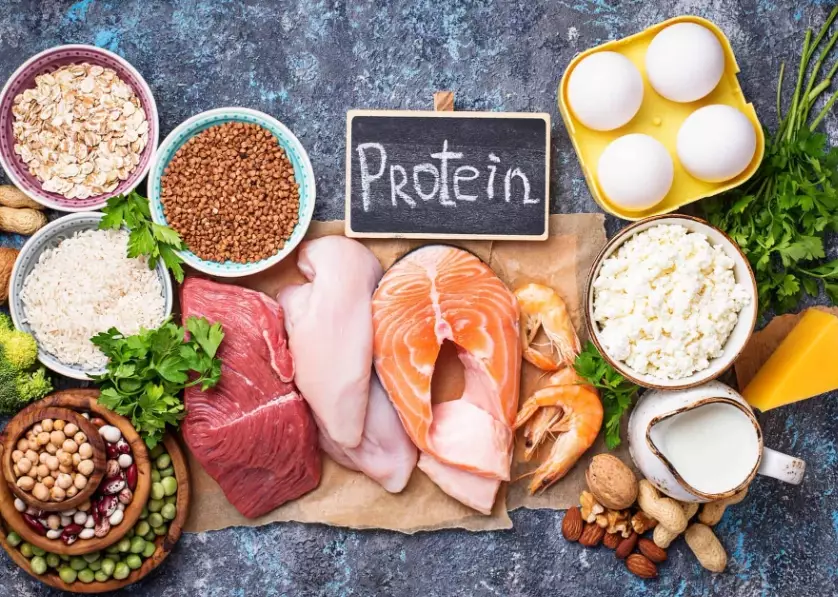
- Protein at Every Meal: Eggs, Greek yogurt, fish, chicken, lentils, tofu.
- Vitamin D: Get a blood test. Supplement if below 30 ng/mL.
- Limit Bone Robbers: Excessive alcohol, smoking, and ultra-processed foods high in salt and phosphorus (like sodas).
Beyond Calcium: The Biggest Nutrition Mistake People Make
If I had a dollar for every patient who said, "But I take my calcium pill!" while drinking a soda and skipping meals... The mistake is thinking calcium alone is a magic bullet. It's not.
Bone is roughly 50% mineral (calcium phosphate) and 50% protein matrix (mostly collagen). You need the building blocks for both.
Protein is the unsung hero of bone health. It provides the scaffolding upon which minerals are deposited. Without adequate protein, your body can't effectively utilize calcium, no matter how much you swallow. A high-quality protein source with each meal is far more effective than a giant calcium supplement taken in isolation.
Other key players: Vitamin K2 (from fermented foods, natto, some cheeses) helps direct calcium into bone and away from arteries. Magnesium (nuts, seeds, leafy greens) is involved in hundreds of enzymatic processes, including bone formation.
| Nutrient | Primary Role for Bones | Best Food Sources (Not Supplements First) |
|---|---|---|
| Protein | Builds the collagen matrix; stimulates growth factors | Greek yogurt, chicken, fish, eggs, lentils, tofu |
| Calcium | Primary mineral for hardness and strength | Dairy (yogurt, milk, cheese), sardines with bones, fortified plant milks, kale |
| Vitamin D | Enables calcium absorption from the gut | Sunlight, fatty fish (salmon, mackerel), egg yolks, fortified foods |
| Vitamin K2 | Activates proteins that bind calcium to bone | Natto, fermented cheeses (Gouda, Brie), sauerkraut |
| Magnesium | Converts vitamin D to active form; supports bone crystal formation | Pumpkin seeds, almonds, spinach, black beans |
When and Why to Talk to Your Doctor
Lifestyle is the foundation, but medicine exists for a reason. If you have osteopenia (low bone mass) or osteoporosis (porous, fragile bones), your doctor might discuss pharmacotherapy.
Get a baseline DXA scan if you're a woman over 65, a man over 70, or have significant risk factors (family history, early menopause, long-term steroid use, previous fracture). Knowledge is power.
Medications like bisphosphonates (e.g., alendronate) work by slowing down the bone-resorbing osteoclasts, allowing the building process to catch up. Newer drugs like anabolics (e.g., teriparatide) actually stimulate new bone formation. These are powerful tools for high-risk individuals.
My view? Don't see medication as a failure or a reason to stop exercising and eating well. See it as a powerful ally that combines with your lifestyle efforts to provide the strongest possible defense. The best outcomes always come from combining medical and lifestyle strategies.
Your Top Bone Health Questions, Answered
So, when is it too late to build bone density?
Never.
But the game changes. The goalposts move from aggressive building to smart fortification and loss prevention. The most dangerous thing you can do is believe the myth of inevitability and do nothing. Start where you are. Do what you can. A walk today, a few bodyweight squats tomorrow, adding an extra serving of yogurt to your diet—it all signals to your bones that they're still needed. And living tissue that's needed finds a way to stay strong.


Leave a comment