Let's cut to the chase. Menopause triggers a rapid decline in bone density, significantly raising your risk for osteoporosis and fractures. It's a real concern, but here's the good news: it's largely preventable. This isn't about vague advice; it's a concrete, step-by-step guide based on current science and what actually works in the long run. Forget just "take calcium." We're building a comprehensive defense with four pillars: targeted nutrition, strategic exercise, smart lifestyle tweaks, and informed medical partnership. You can finish menopause with stronger bones than you started with.
Your Quick-Start Guide to Stronger Bones
- How Does Menopause Affect Your Bones?
- The 4 Pillars of Osteoporosis Prevention After Menopause
- Pillar 1: Bone-Building Nutrition (Beyond Just Calcium)
- Pillar 2: Exercise That Actually Strengthens Bone
- Pillar 3: The Overlooked Lifestyle Factors
- Pillar 4: Partnering with Your Doctor
- Your Top Questions on Postmenopausal Bone Health
How Does Menopause Affect Your Bones?
Estrogen is a key guardian of bone strength. It slows down the natural process where old bone is broken down (resorption). When estrogen levels plummet during menopause, this brake is released. Bone breakdown accelerates, while new bone formation can't keep up. The result? You can lose up to 20% of your bone density in the first 5-7 years after menopause. That's the silent part. The loud part is a fragility fracture—a broken wrist from a simple fall, a hip fracture that changes your life.
Most generic advice misses a critical nuance: the rate of loss isn't uniform. Women who enter menopause with lower peak bone mass (often due to genetics, diet, or exercise habits in youth) are on a steeper cliff. The goal isn't just to slow the fall; it's to build a stronger ledge to stand on in the first place. Even if you're past those early postmenopausal years, interventions still significantly reduce fracture risk. It's never too late to start.
The 4 Pillars of Osteoporosis Prevention After Menopause
Think of these as non-negotiable. You need all four working together. Relying on just one—like taking supplements but staying sedentary—is like building a house with only a foundation.
- Nutrition: Supplying the raw materials.
- Exercise: Sending the "build bone here!" signal.
- Lifestyle: Removing the saboteurs.
- Medical Insight: Getting your personal blueprint and reinforcements.
Pillar 1: Bone-Building Nutrition (Beyond Just Calcium)
Yes, calcium is crucial. But swallowing a pill without the supporting cast is a common misstep. Your body needs a team to absorb and use calcium effectively.
Calcium: The How Much and The How-To
For postmenopausal women, the recommended daily intake is 1,200 mg. Food first, always. Dairy is efficient, but not the only player. Here’s a quick list of high-calcium foods:
- Plain yogurt (1 cup): ~450 mg
- Sardines with bones (3 oz): ~325 mg
- Fortified plant milk (1 cup): ~300-450 mg
- Cooked kale (1 cup): ~180 mg
- Tofu, made with calcium sulfate (½ cup): ~250-350 mg
Track your food intake for a few days. You might be closer than you think. If you need a supplement, don't take more than 500-600 mg at once—your body can't absorb it. Split the dose.
Expert Tip: Take calcium citrate with or without food. Take calcium carbonate with a meal for better absorption. Constipation is a common side effect; increase water and fiber intake, or switch forms if it's an issue.
Vitamin D: The Essential Conductor
Without sufficient Vitamin D, you might absorb only 10-15% of dietary calcium. The goal is a blood level of at least 30 ng/mL (75 nmol/L). Many postmenopausal women are deficient. While sunlight helps, aging skin is less efficient at producing it. A daily supplement of 800-2000 IU of Vitamin D3 is standard advice, but getting a blood test is the only way to know your precise dose.
The Supporting Cast: Protein, Magnesium, Vitamin K
Bone is about 50% protein. Inadequate protein intake weakens the bone matrix. Aim for 1.0 to 1.2 grams of protein per kilogram of body weight daily. That's about 70-85 grams for a 154 lb (70 kg) woman. Magnesium (found in nuts, seeds, leafy greens) helps convert Vitamin D to its active form. Vitamin K2 (in fermented foods, some cheeses) directs calcium into bone and away from arteries.
Pillar 2: Exercise That Actually Strengthens Bone
Not all exercise is equal for bones. Swimming and cycling are great for your heart, but they're low-impact and don't stress the bones enough to trigger remodeling. Your bones need to feel a load.
Weight-Bearing and Impact Exercise
These activities force you to work against gravity.
- High-Impact (if your joints allow): Jogging, running, jumping rope, tennis.
- Low-Impact (safer for many): Brisk walking, hiking, stair climbing, elliptical trainer.
Aim for 30 minutes most days. Walking is fantastic, but to really challenge bone, add intervals. Walk for 3 minutes, then power-walk or climb stairs for 1 minute. Repeat.
Strength Training: Non-Negotiable
This is the most potent exercise signal for bone building. Muscle pulling on bone stimulates growth. You need to lift heavy enough to challenge yourself. "Heavy" means the last 2-3 reps of a set should feel very difficult.
Key movements to include:
- Squats or sit-to-stands
- Push-ups (against a wall or on knees)
- Rows (with resistance bands or dumbbells)
- Step-ups
Start with 2 sessions per week, 1-2 sets of 8-12 repetitions per exercise. Form is critical to avoid injury. Consider a session or two with a physical therapist or certified trainer to learn the basics.
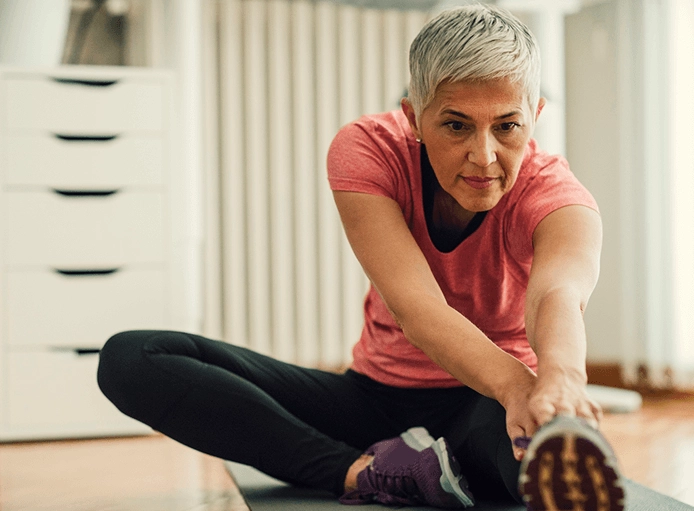
A Common Mistake: Focusing only on core or flexibility. While yoga and Pilates improve balance (vital for fall prevention), they are not sufficient for stimulating significant bone density increases in the spine and hip. You need progressive resistance.
Pillar 3: The Overlooked Lifestyle Factors
These can undo all your good work with diet and exercise.
Stop the Bone Robbers: Smoking and Excess Alcohol
Smoking directly damages bone-forming cells and interferes with estrogen metabolism. It's a direct toxin to bone. More than one alcoholic drink per day for women increases bone loss and fall risk. It interferes with calcium balance and vitamin D metabolism.
Fall Prevention: Your Daily Environment
Preventing a fracture is as important as building strong bone. Conduct a home safety check:
- Remove loose rugs and clutter from walkways.
- Install grab bars in the shower and near the toilet.
- Ensure all areas are well-lit, especially night-time paths to the bathroom.
- Wear sturdy, low-heeled shoes indoors and out.
Pillar 4: Partnering with Your Doctor
This is where you move from general advice to a personalized plan.
The Bone Density Scan (DXA)
This is the gold standard test. It's a quick, low-radiation scan that gives you a T-score, comparing your bone density to that of a healthy 30-year-old woman. Get a baseline scan at menopause, or earlier if you have risk factors (family history, early menopause, steroid use). Don't fear the number; use it as information to guide your strategy.
Understanding Your Risk and Medication Options
If your T-score shows osteoporosis or you're at high risk for fracture, your doctor may discuss medication. These aren't a failure; they're powerful tools in your arsenal.
| Medication Type | How It Works | Key Consideration |
|---|---|---|
| Bisphosphonates (e.g., Alendronate) | Slows bone breakdown. | Must be taken on an empty stomach with a full glass of water, remain upright for 30-60 min. |
| RANK Ligand Inhibitor (Denosumab) | Injection that slows breakdown. | Given as a shot every 6 months. Requires consistent, long-term use. |
| Anabolic Agents (e.g., Teriparatide) | Actually builds new bone. | Daily injection for up to 2 years, usually for severe cases. |
| Hormone Therapy (HT/MHT) | Replaces estrogen, directly protecting bone. | Effective for bone and menopausal symptoms; risk/benefit must be individualized. |
The choice depends on your age, fracture risk, other health conditions, and personal preference. Have a detailed conversation with your doctor.


Leave a comment